American Revolution
Quebec Act
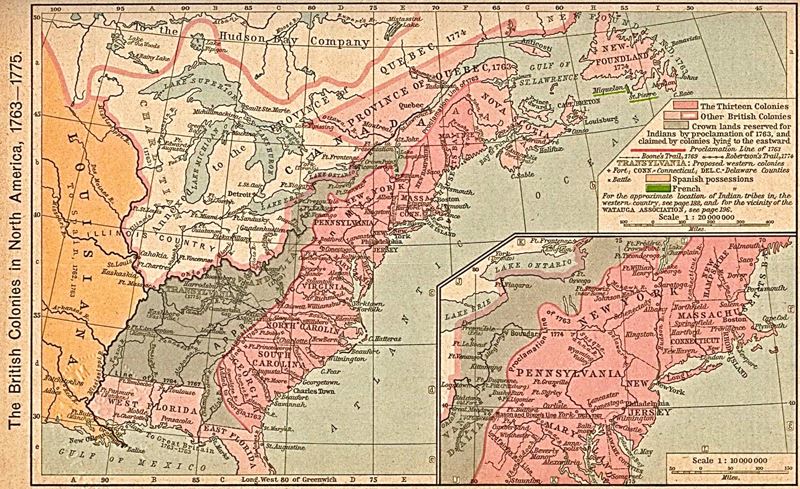
The Quebec Act 1774 (French: Acte de Québec), or British North America (Quebec) Act 1774,[a] was an Act of the Parliament of Great Britain which

The Quebec Act 1774 (French: Acte de Québec), or British North America (Quebec) Act 1774,[a] was an Act of the Parliament of Great Britain which
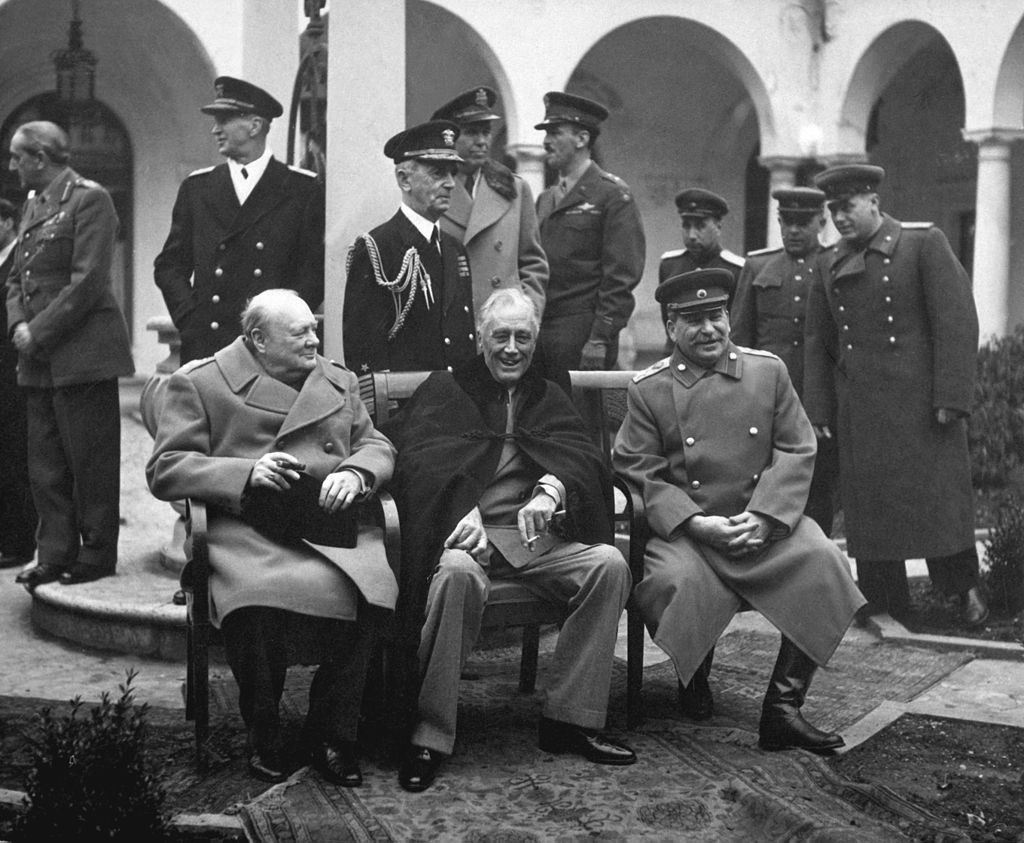
Germany and the Soviet Union were sworn enemies, but following the Munich Agreement, which effectively handed over Czechoslovakia (a French and Soviet ally, and the
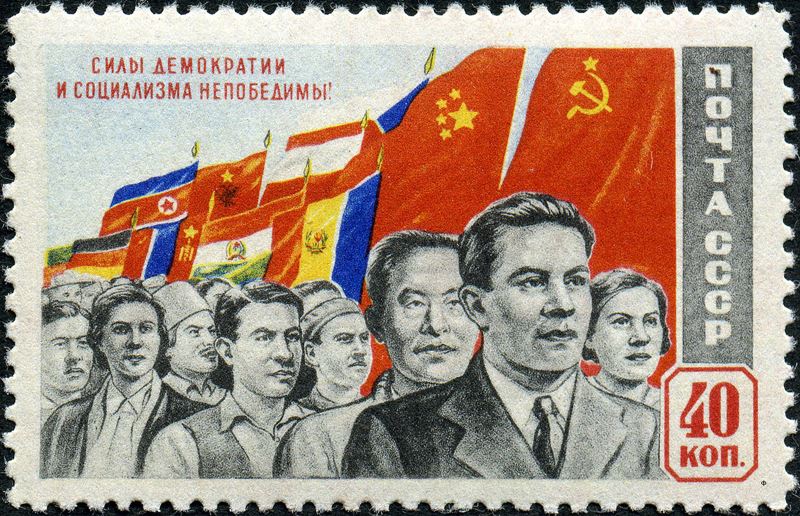
The Eastern Bloc, also known as the Communist Bloc and the Soviet Bloc, was the group of socialist states of Central and Eastern Europe, East
In the United States, each state has its own written constitution. They are much longer than the United States Constitution, which only contains 4,543 words.
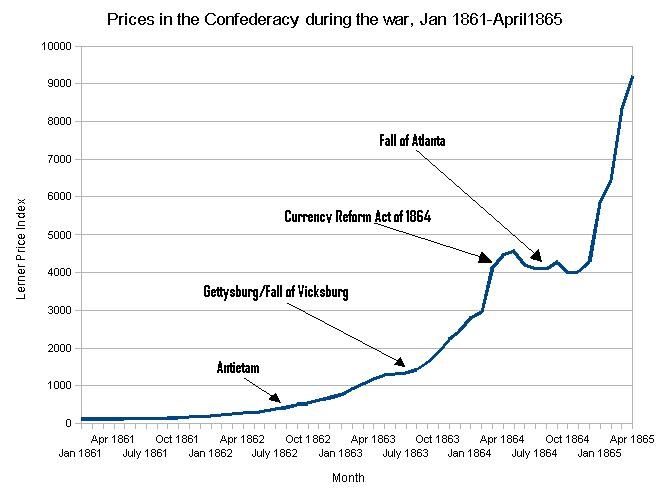
The economic history of the American Civil War concerns the financing of the Union and Confederate war efforts from 1861 to 1865, and the economic
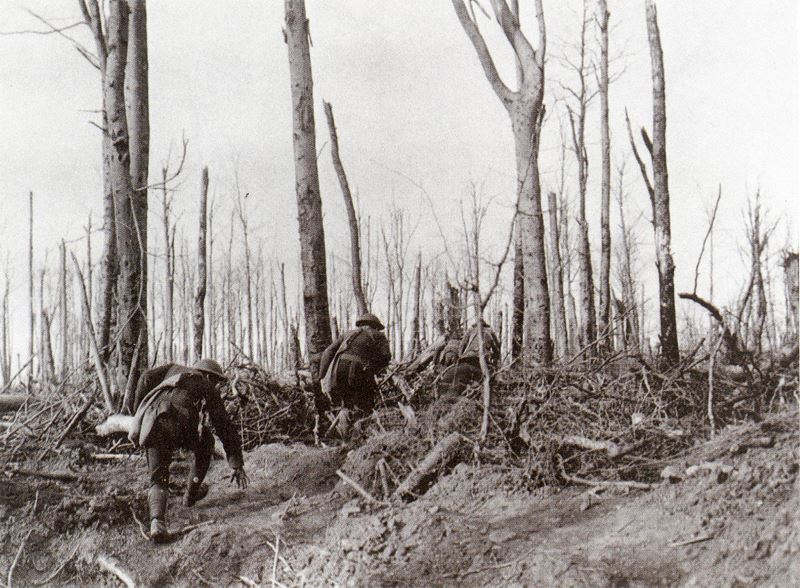
The Meuse–Argonne offensive (also known as the Meuse River–Argonne Forest offensive,[6] the Battles of the Meuse–Argonne, and the Meuse–Argonne campaign) was a major part of
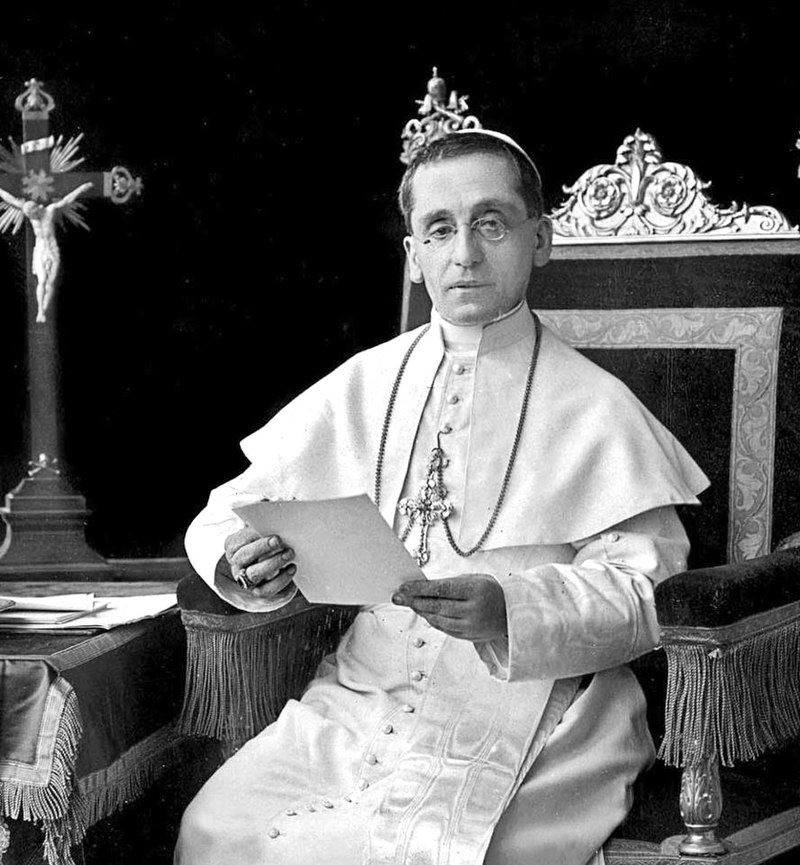
Benedict XV’s pontificate was dominated by World War I, which he termed, along with its turbulent aftermath, “the suicide of Europe.”[25] Benedict’s first encyclical extended
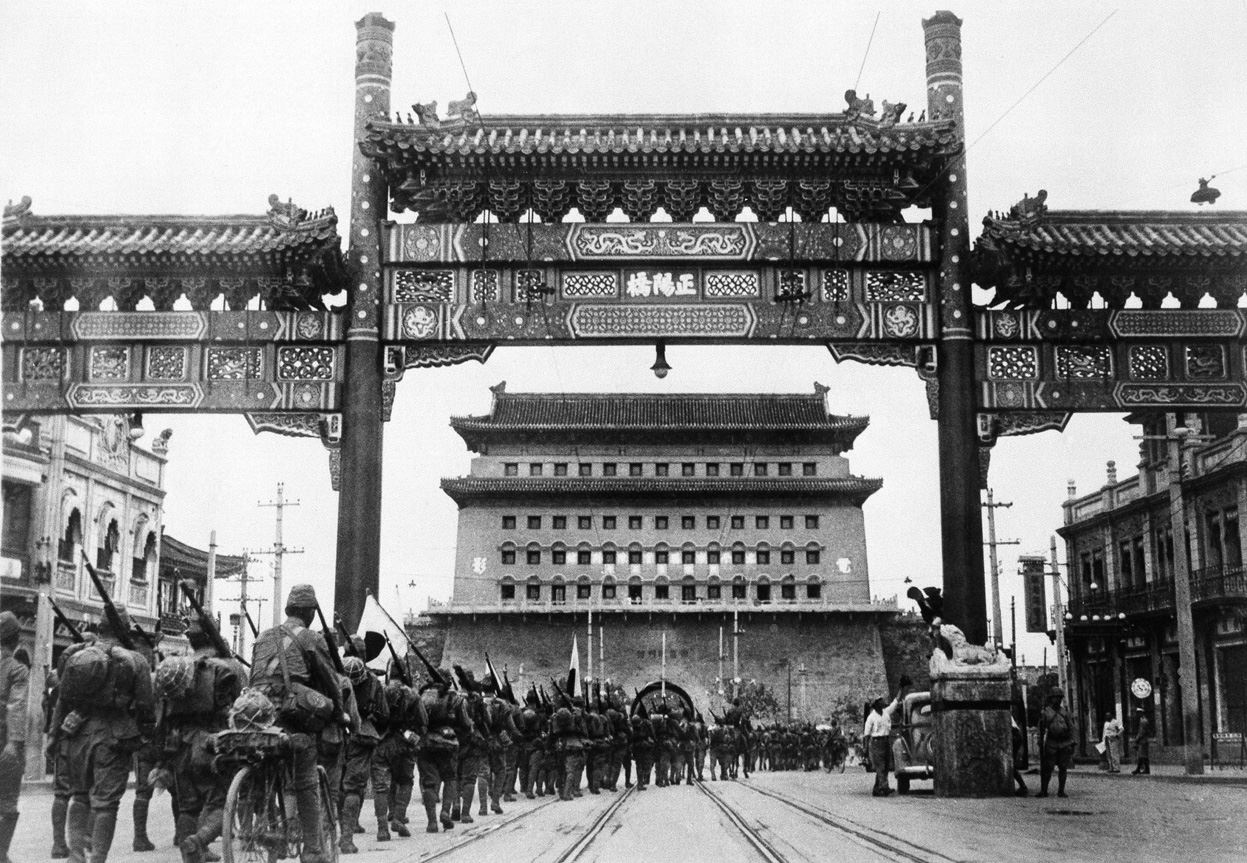
causes of World War II, a global war from 1939 to 1945 that was the deadliest conflict in human history, have been given considerable attention