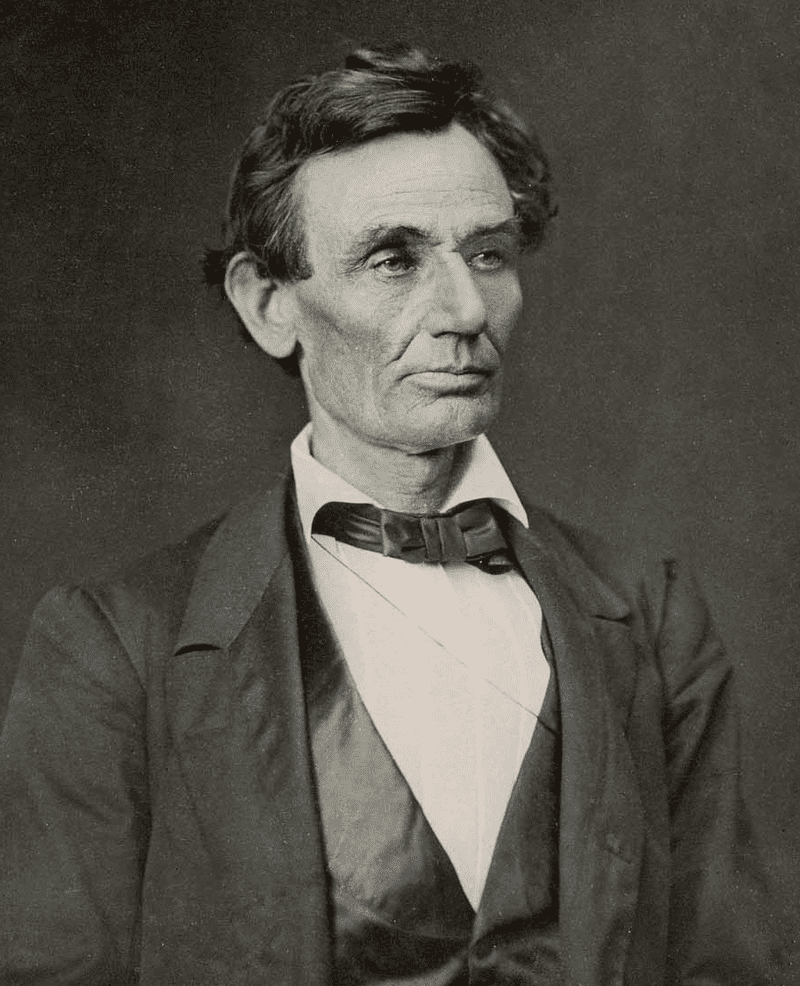
American Civil War
1860 United States presidential election
The election of Abraham Lincoln in November 1860 was the final trigger for secession.[109] Southern leaders feared that Lincoln would stop the expansion of slavery

The election of Abraham Lincoln in November 1860 was the final trigger for secession.[109] Southern leaders feared that Lincoln would stop the expansion of slavery
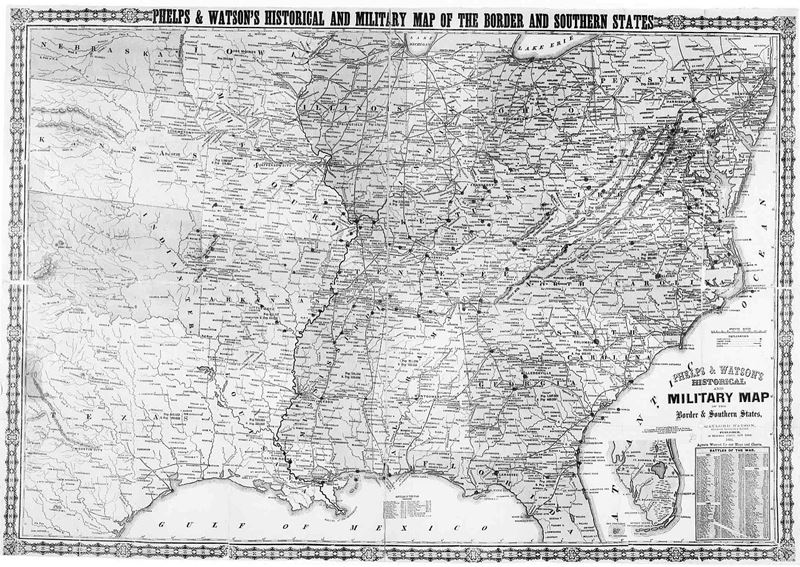
Table of Contents “Border States” refers to the slave states that surrounded the free states that made up the Union. When it came to winning

The final battle between Diệm’s VNA and the Bình Xuyên began on April 28 at mid-day.[1] After initial small-arms fire and mortar exchanges, the VNA

The Marshall Plan (officially the European Recovery Program, ERP) was an American initiative enacted in 1948 to provide foreign aid to Western Europe. The United
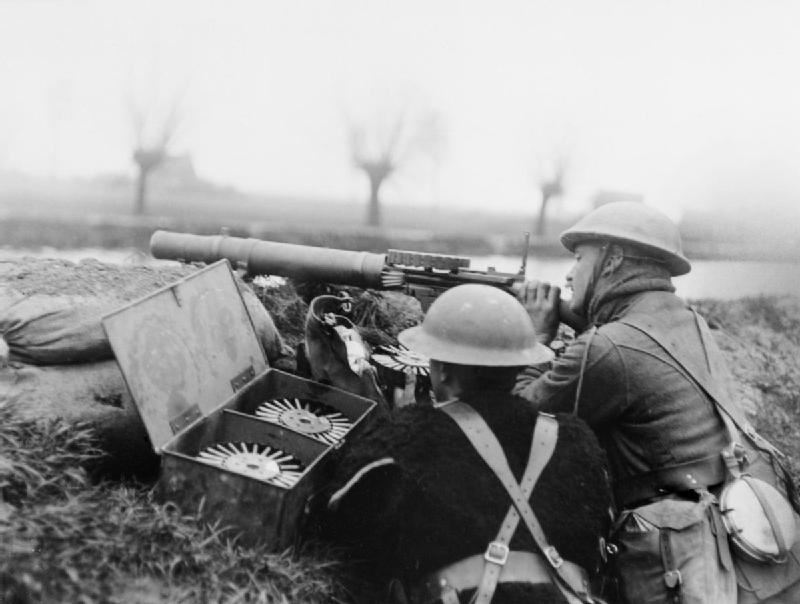
The German spring offensive, or Kaiserschlacht (“Kaiser’s Battle”), also known as the Ludendorff offensive, was a series of German attacks along the Western Front during
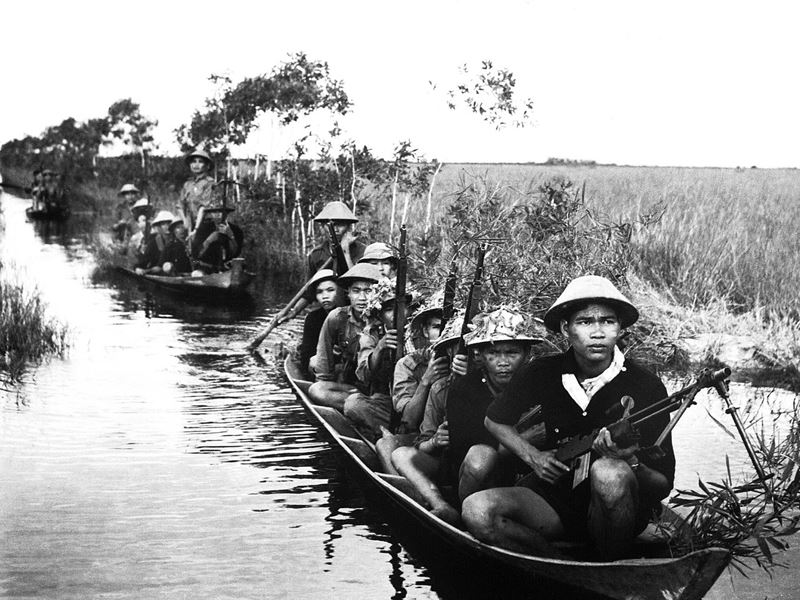
Table of Contents The Viet Cong, also known as the Viet Nam Cong San or English Vietnamese Communists, were a guerrilla group that, with the
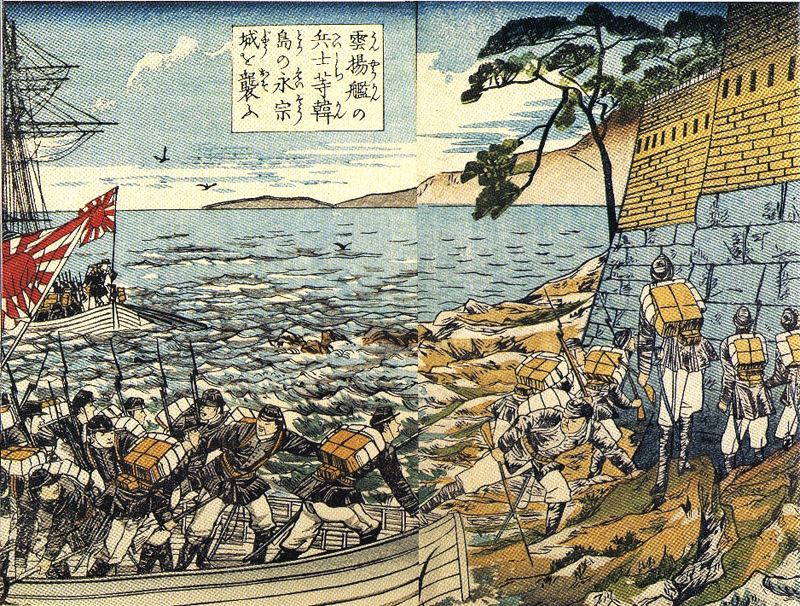
Imperial Japan severely diminished the influence of China over Korea in the First Sino-Japanese War (1894–95), ushering in the short-lived Korean Empire.[72] A decade later,
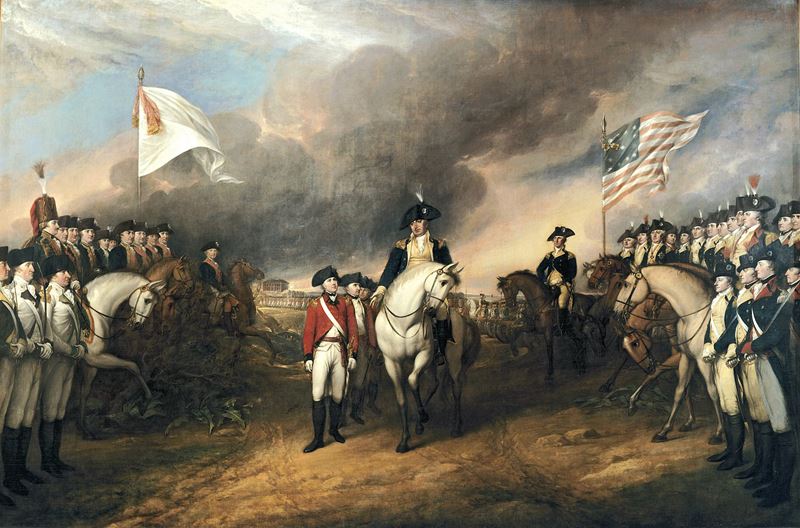
French involvement in the American Revolutionary War of 1775–1783 began in 1776[1] when the Kingdom of France secretly shipped supplies to the Continental Army of