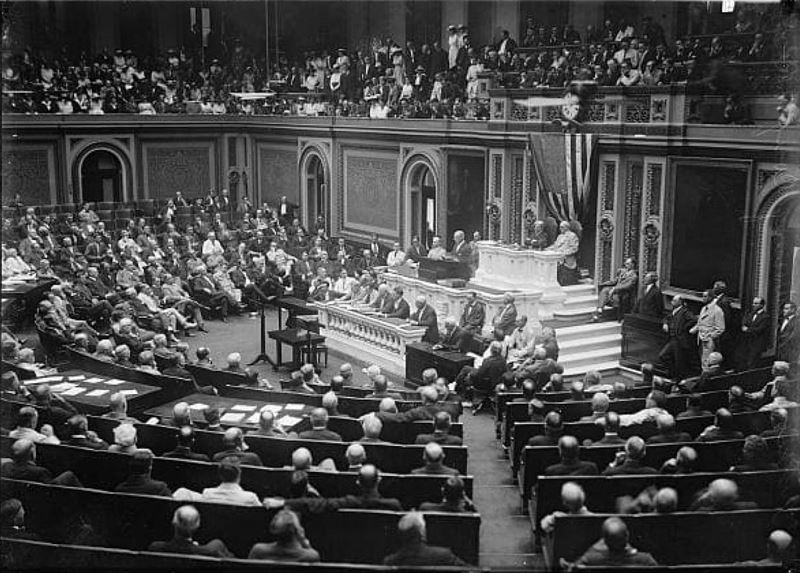
World War 1
United States Enters War
The United States entered into World War I in April 1917, more than two and a half years after the war began in Europe. Apart

The United States entered into World War I in April 1917, more than two and a half years after the war began in Europe. Apart
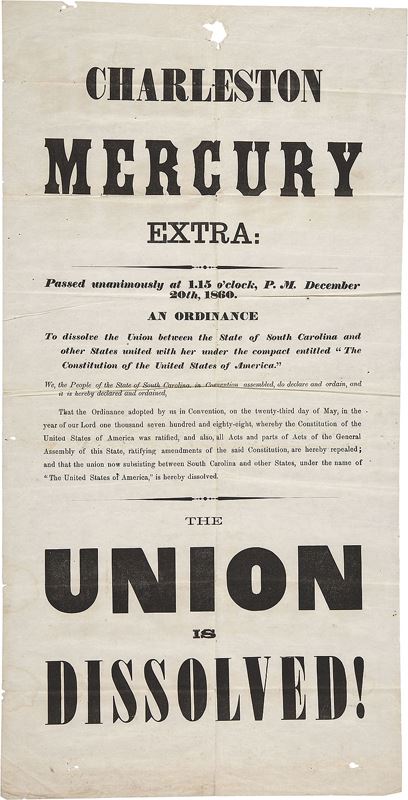
The election of Lincoln provoked the legislature of South Carolina to call a state convention to consider secession. Before the war, South Carolina did more
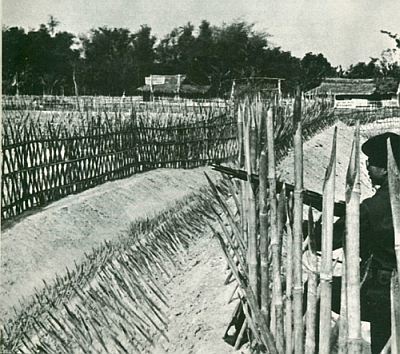
The Strategic Hamlet Program (SHP; Vietnamese: Ấp Chiến lược ) was a plan by the government of South Vietnam in conjunction with the US government
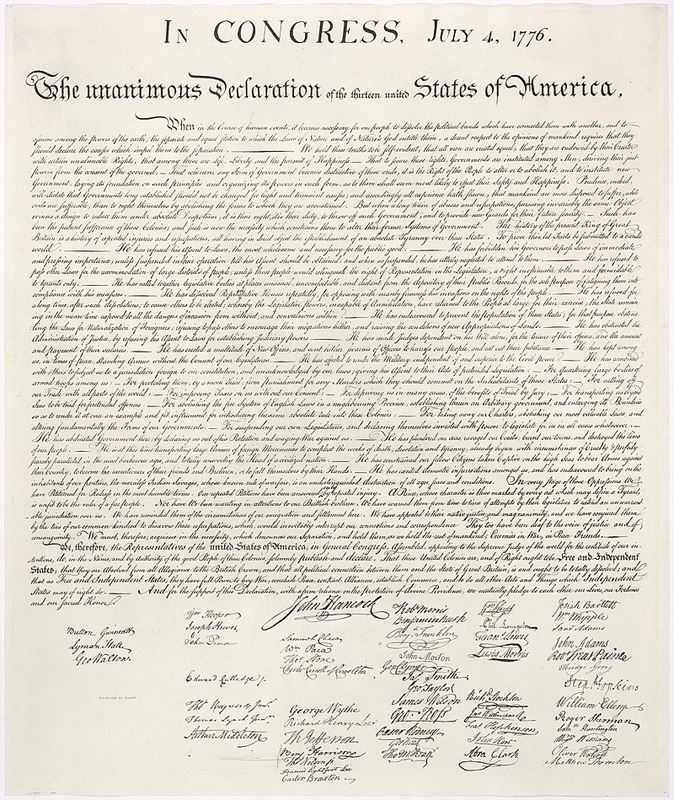
The United States Declaration of Independence, formally The unanimous Declaration of the thirteen united States of America, is the pronouncement and founding document adopted by

The Iron Curtain is a term describing the political boundary dividing Europe into two separate areas from the end of World War II in 1945

The Marshall Plan (officially the European Recovery Program, ERP) was an American initiative enacted in 1948 to provide foreign aid to Western Europe. The United
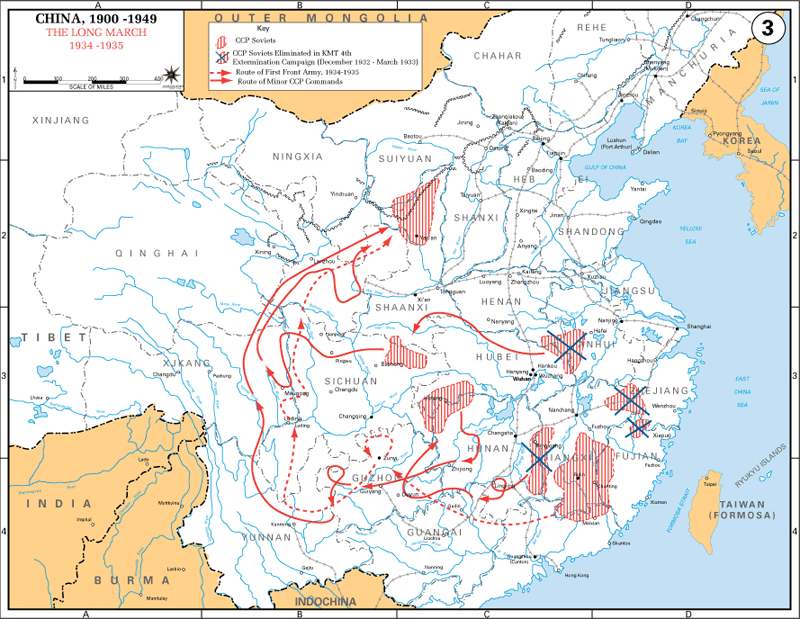
The Chinese Civil War was fought between the Kuomintang-led government of the Republic of China and forces of the Chinese Communist Party, continuing intermittently since
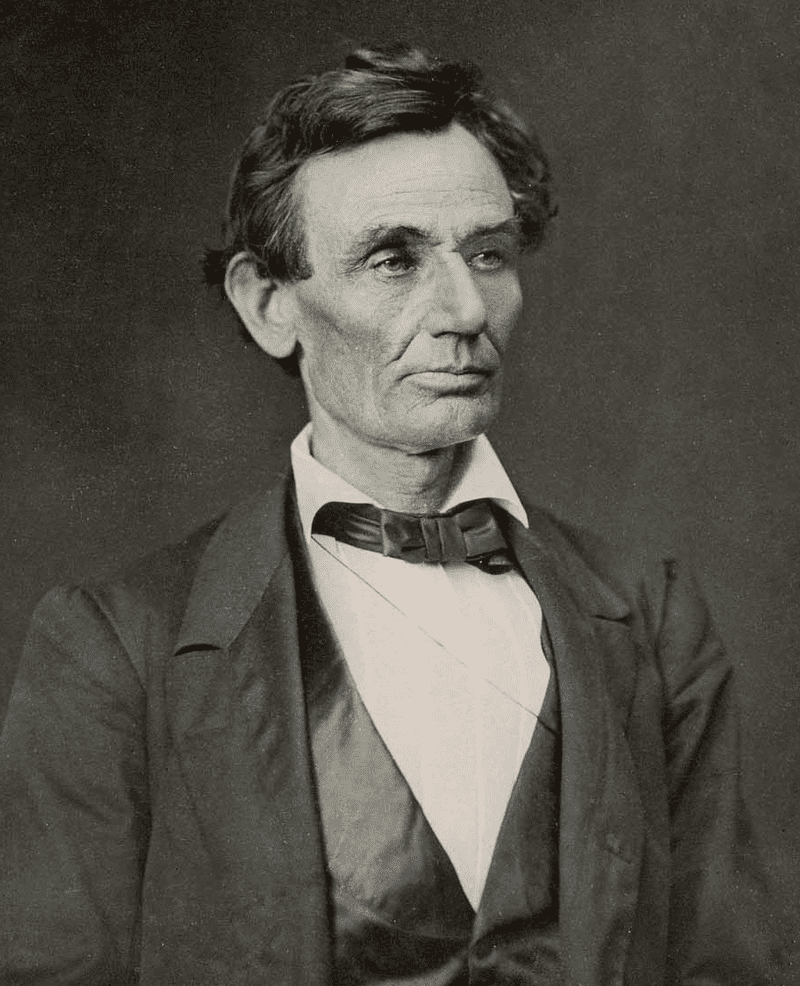
The election of Abraham Lincoln in November 1860 was the final trigger for secession.[109] Southern leaders feared that Lincoln would stop the expansion of slavery