Cold War
Marshall Plan
The Marshall Plan (officially the European Recovery Program, ERP) was an American initiative enacted in 1948 to provide foreign aid to Western Europe. The United

The Marshall Plan (officially the European Recovery Program, ERP) was an American initiative enacted in 1948 to provide foreign aid to Western Europe. The United
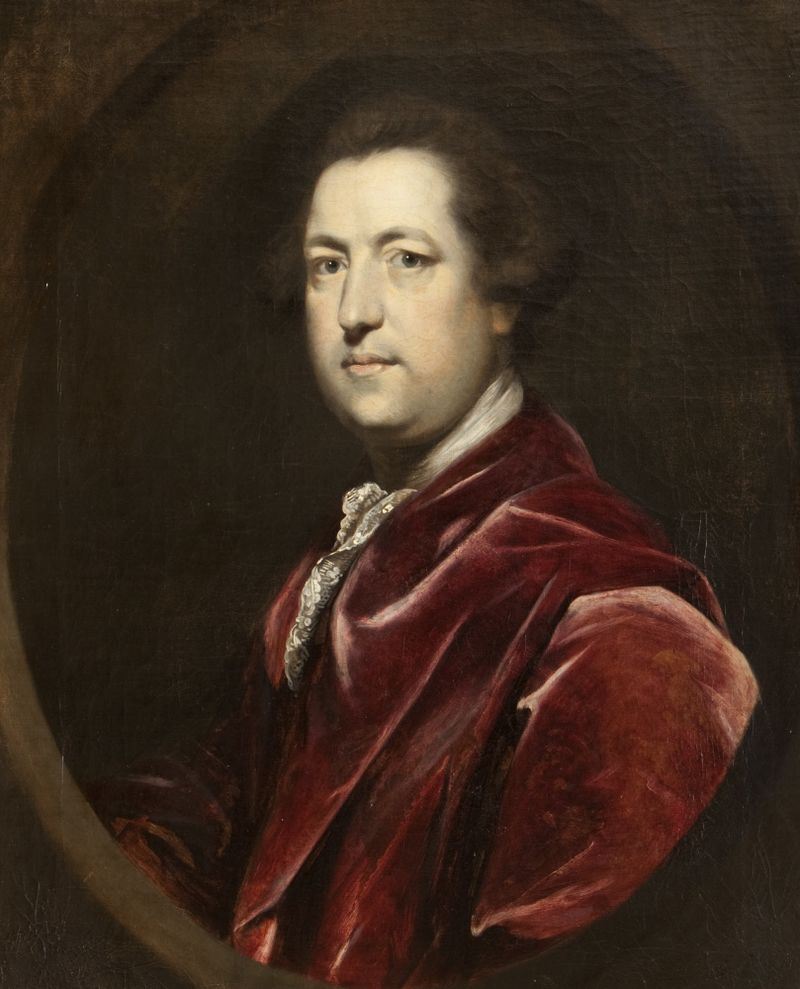
The Townshend Acts met stiff resistance in the colonies, and public opposition to them was widely debated in colonial newspapers. Opponents of the Acts gradually

Table of Contents The Viet Cong, also known as the Viet Nam Cong San or English Vietnamese Communists, were a guerrilla group that, with the
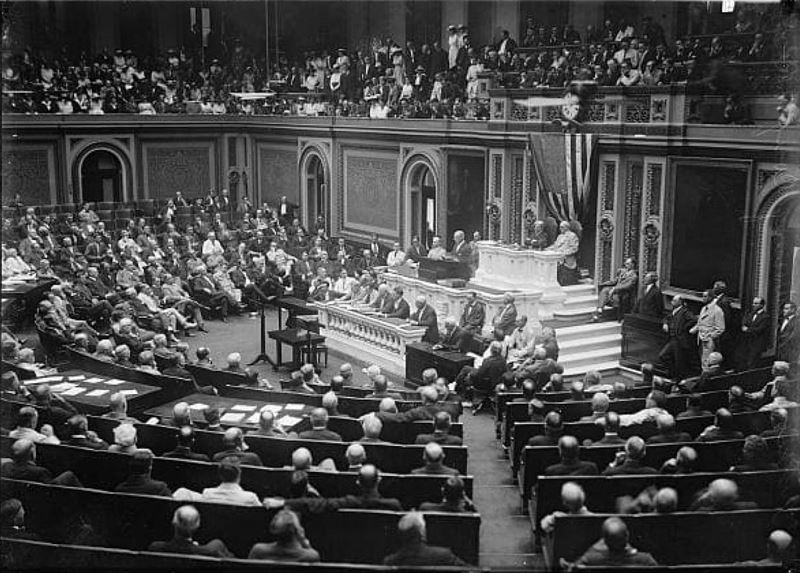
The United States entered into World War I in April 1917, more than two and a half years after the war began in Europe. Apart

Table of Contents The disagreement between the two states over tariffs quickly escalated into the American Civil War. On April 12th, 1861, Confederate forces bombarded
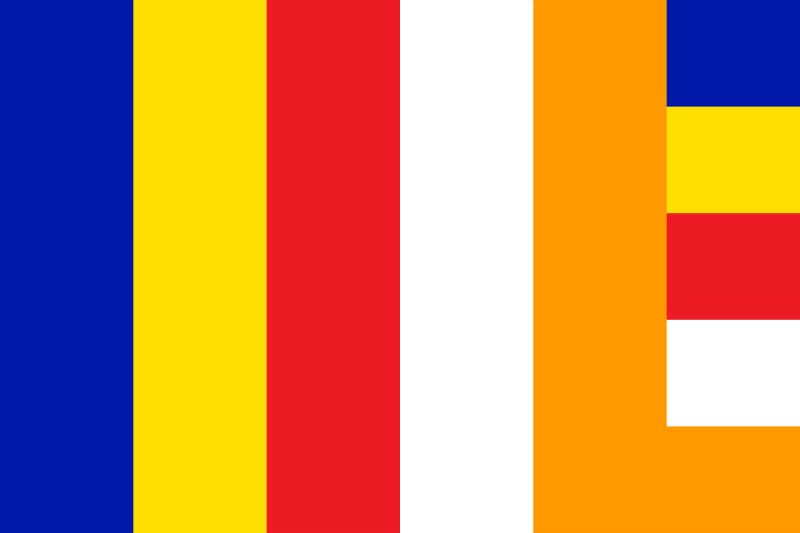
In South Vietnam, a country where the Buddhist majority was estimated to comprise between 70 and 90 percent of the population in 1963,[2][3][4][5][6] President Ngô
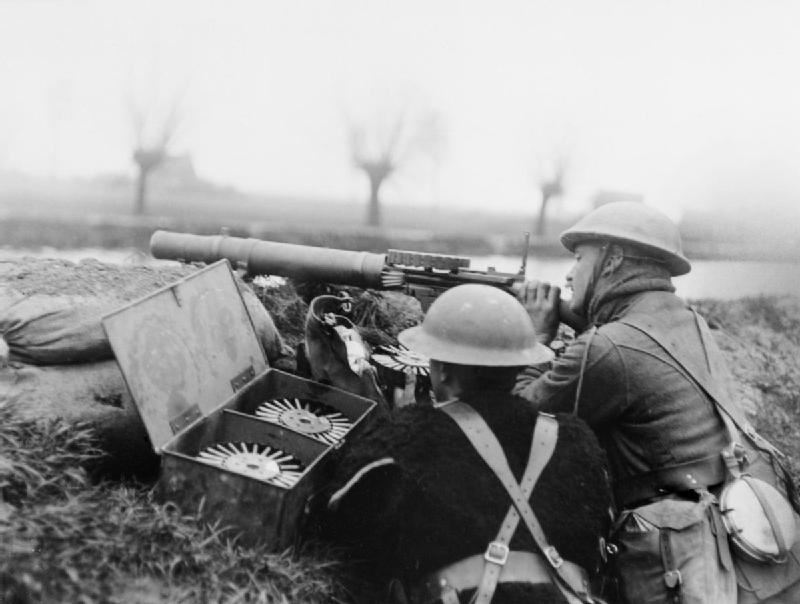
The German spring offensive, or Kaiserschlacht (“Kaiser’s Battle”), also known as the Ludendorff offensive, was a series of German attacks along the Western Front during

Diệm’s road to political power began in July 1954 when he was appointed the Prime Minister of the State of Vietnam by former Emperor Bảo