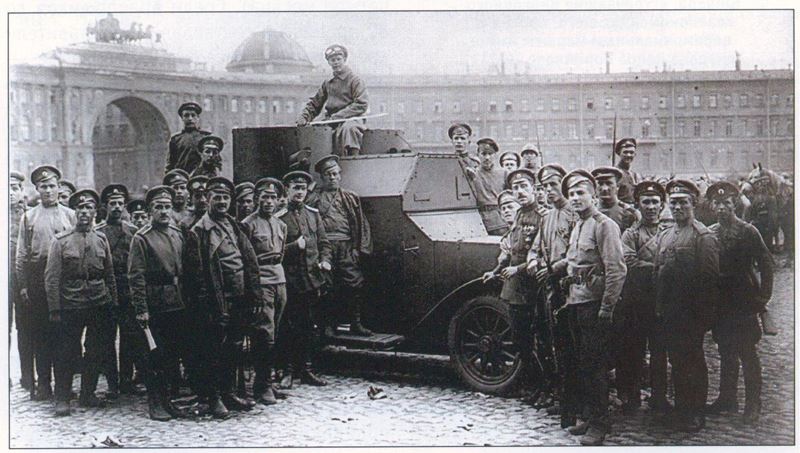
World War 1
Russian Revolution
The Russian Revolution was a period of political and social revolution that took place in the former Russian Empire which began during the First World

The Russian Revolution was a period of political and social revolution that took place in the former Russian Empire which began during the First World
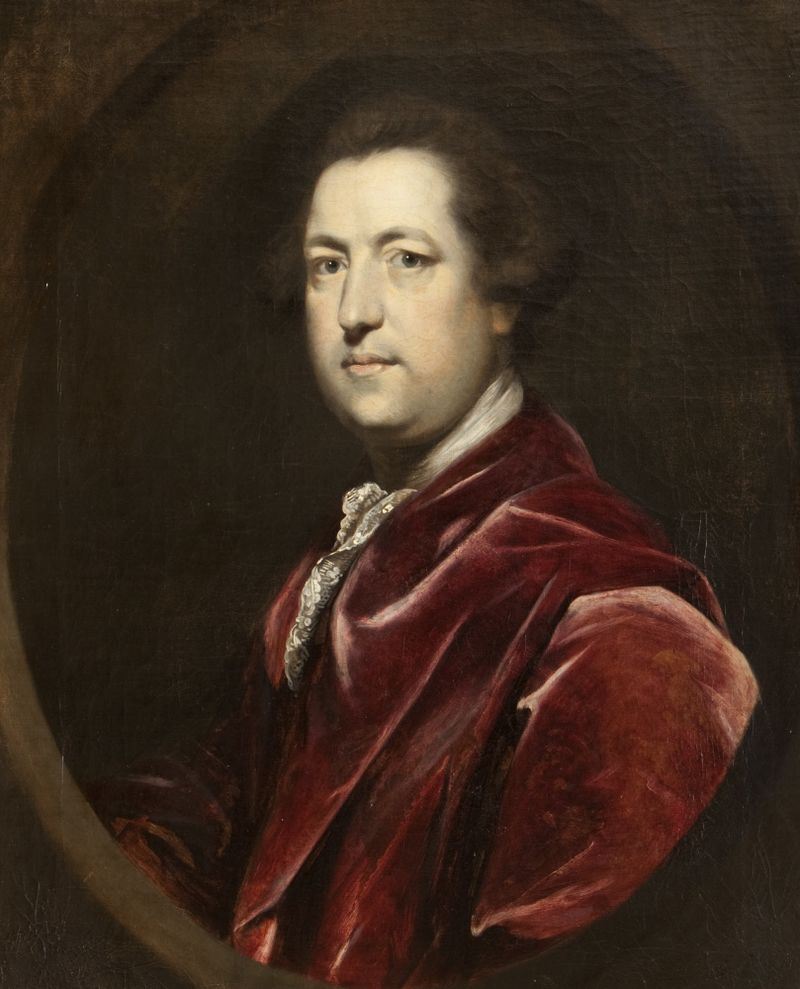
The Townshend Acts met stiff resistance in the colonies, and public opposition to them was widely debated in colonial newspapers. Opponents of the Acts gradually
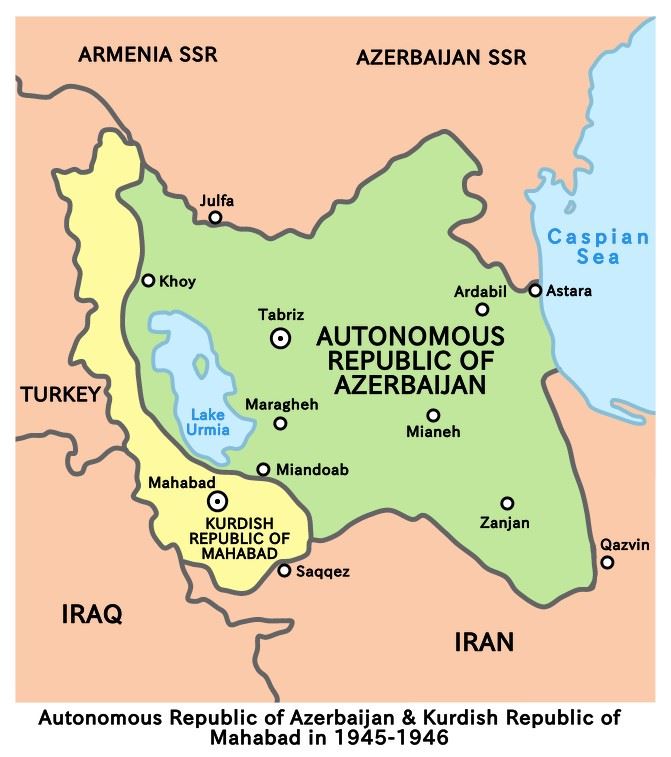
The Iran crisis of 1946, also known as the Azerbaijan Crisis (Persian: غائله آذربایجان, romanized: Qaʾilih Âzarbâyjân) in the Iranian sources, was one of the
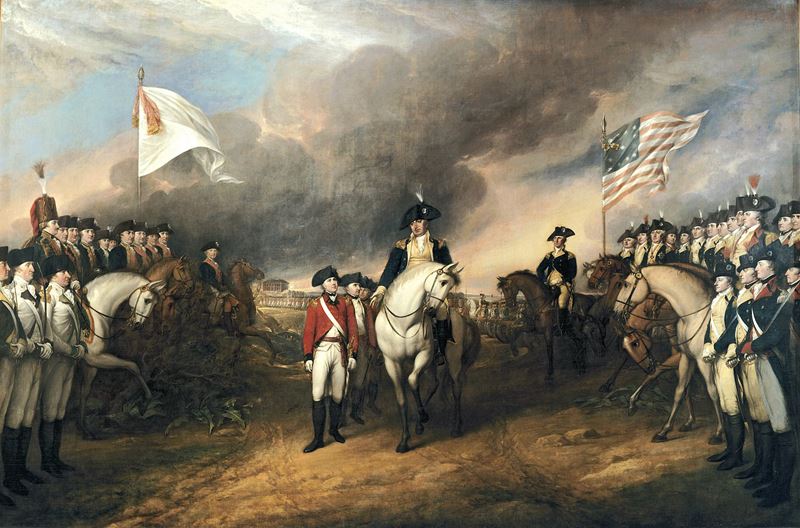
French involvement in the American Revolutionary War of 1775–1783 began in 1776[1] when the Kingdom of France secretly shipped supplies to the Continental Army of
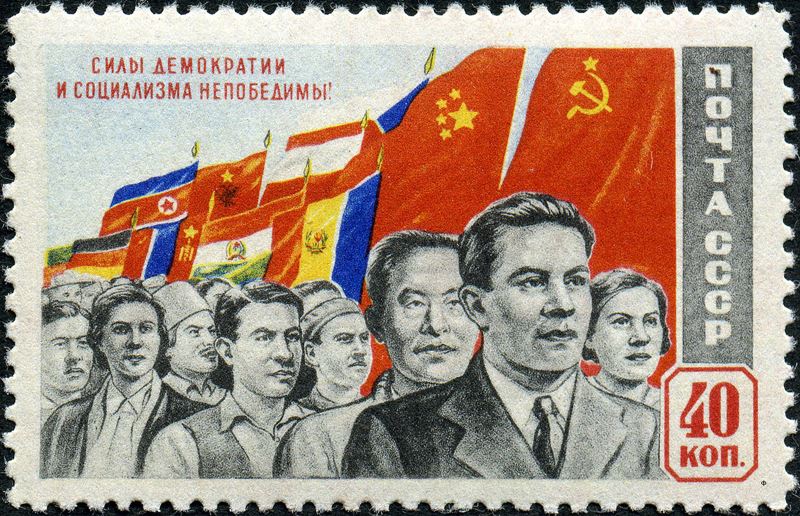
The Eastern Bloc, also known as the Communist Bloc and the Soviet Bloc, was the group of socialist states of Central and Eastern Europe, East
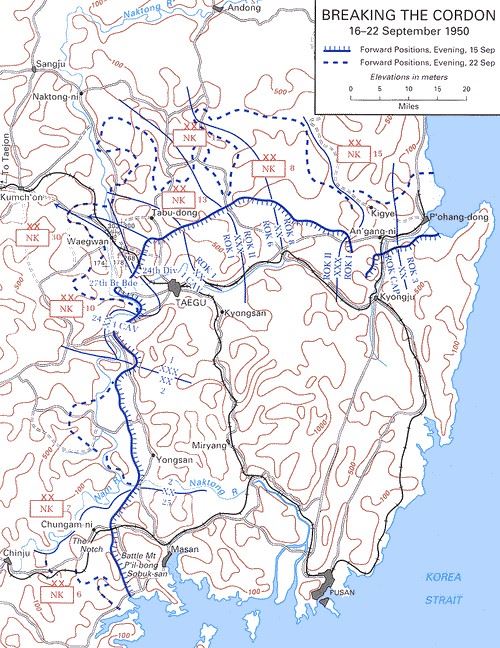
The Pusan Perimeter offensive was a large-scale offensive by United Nations Command (UN) forces against North Korean forces commencing on 16 September 1950. UN forces,
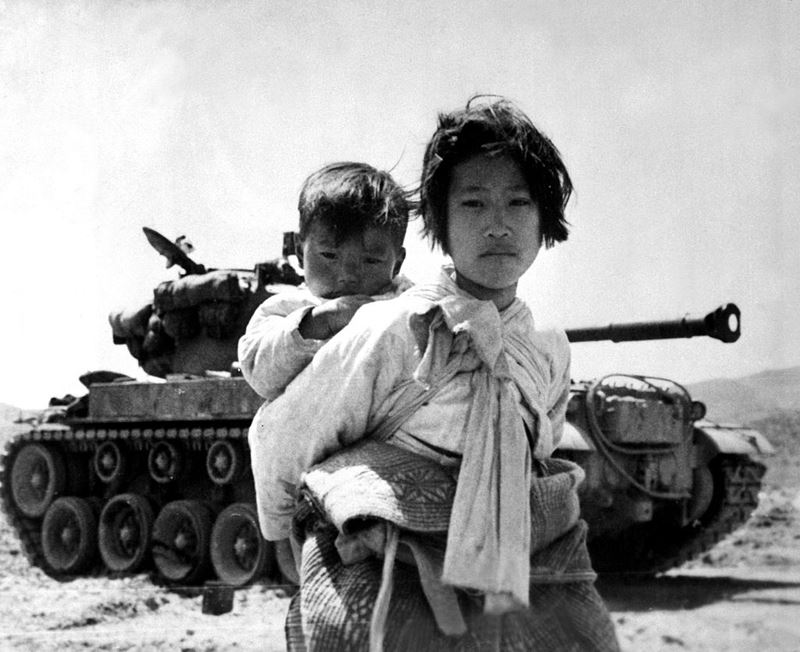
This is a timeline of the main events of the Cold War, a state of and military tension after World War II between powers in
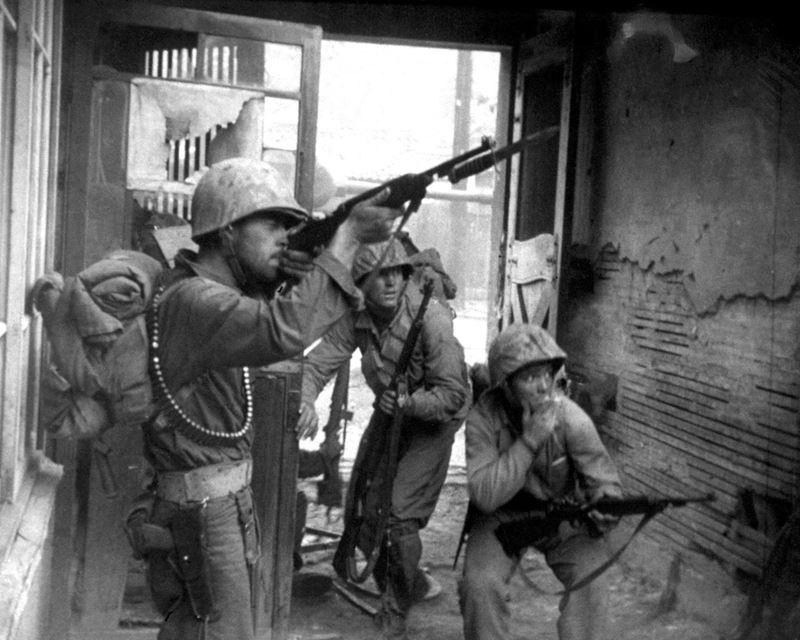
The X Corps entered Seoul the morning of September 25th. By mid-afternoon, elements of the 7th Infantry Division crossed the Han River and captured Namsan