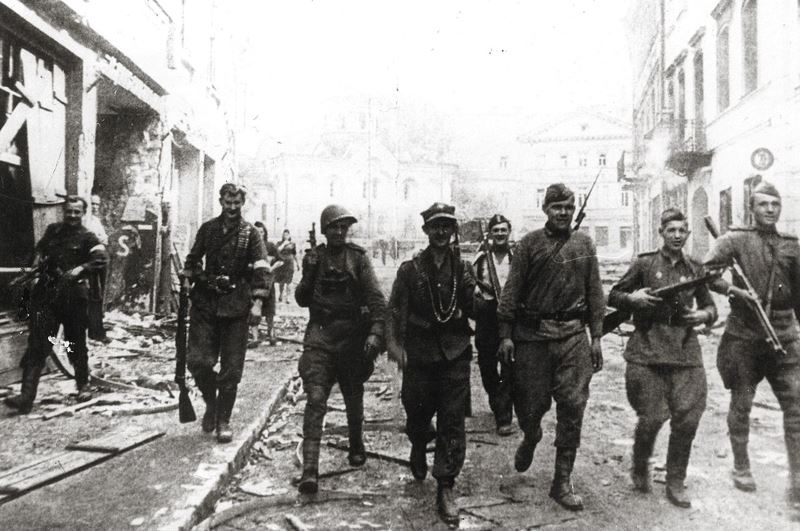
World War 2
Eastern Front World War II
Table of Contents The Eastern Front of World War 2 was a brutal, bloody conflict that claimed the lives of millions of people. Spanning over

Table of Contents The Eastern Front of World War 2 was a brutal, bloody conflict that claimed the lives of millions of people. Spanning over
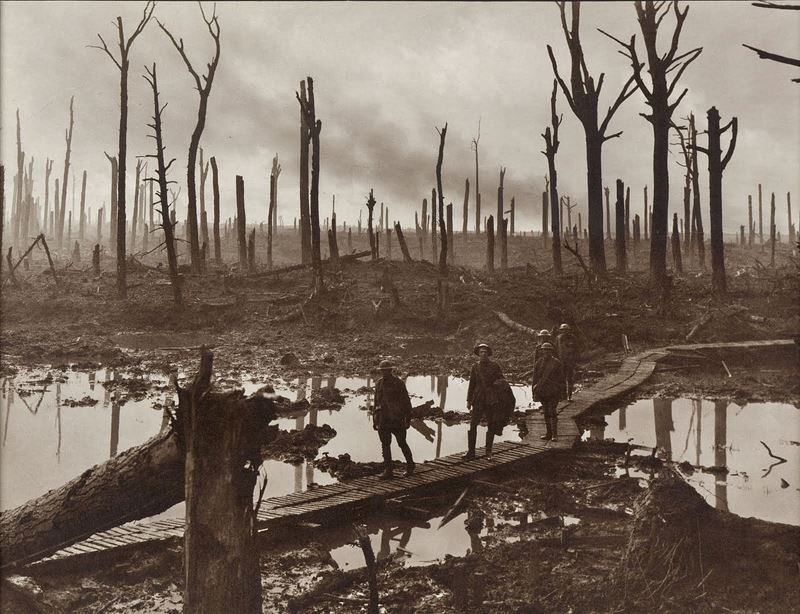
The Third Battle of Ypres (German: Dritte Flandernschlacht; French: Troisième Bataille des Flandres; Dutch: Derde Slag om Ieper), also known as the Battle of Passchendaele
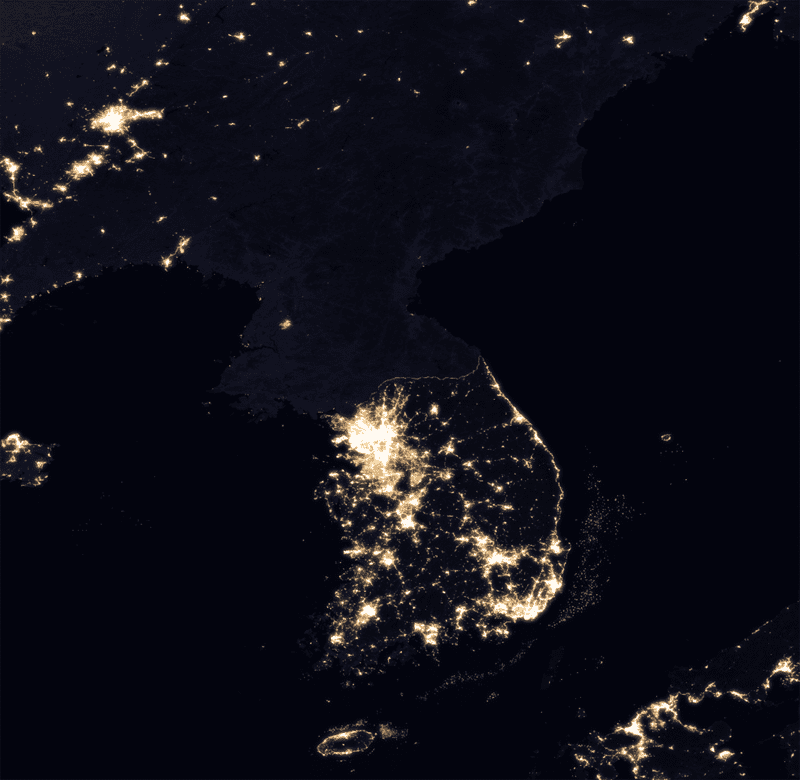
Table of Contents A History of the Korean Demilitarized Zone The Korean Demilitarized Zone is a strip of land running across the Korean Peninsula that
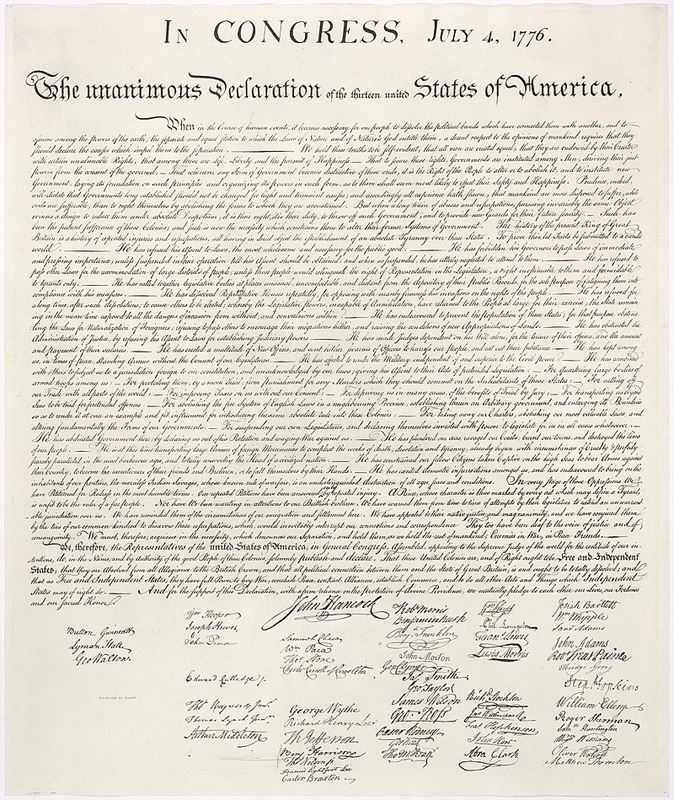
The United States Declaration of Independence, formally The unanimous Declaration of the thirteen united States of America, is the pronouncement and founding document adopted by
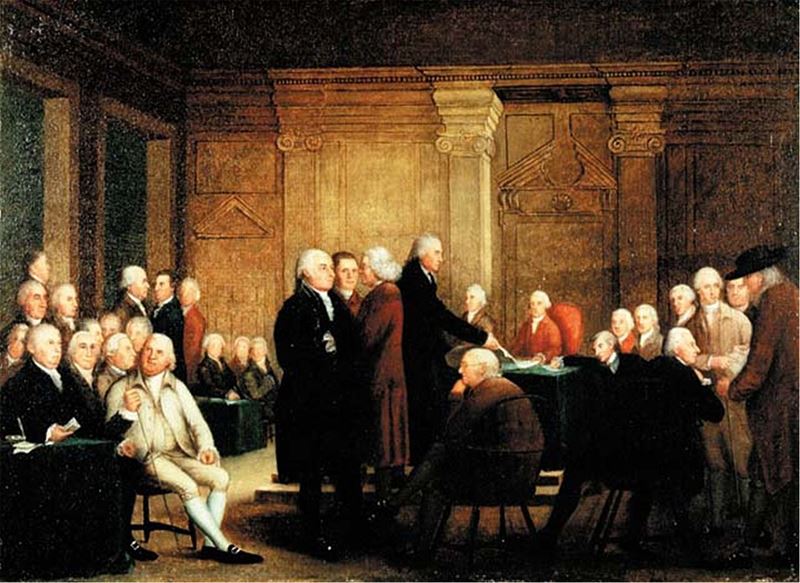
The Second Continental Congress was a late-18th-century meeting of delegates from the Thirteen Colonies that united in support of the American Revolutionary War. The Congress
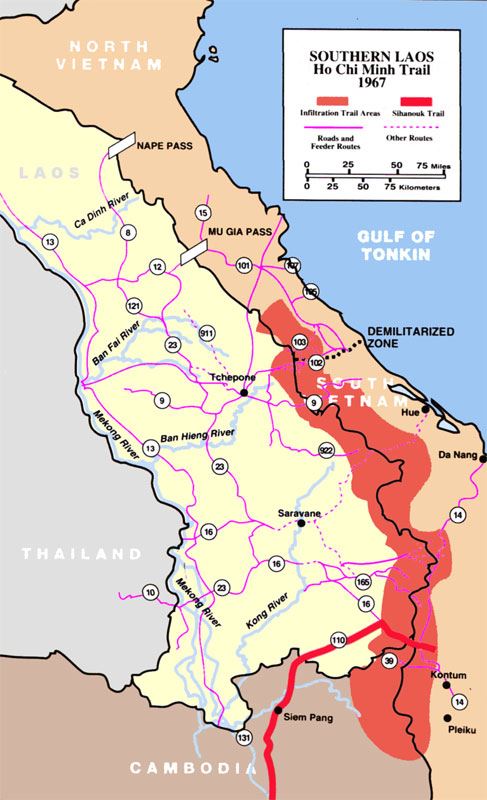
The Ho Chi Minh Trail (Vietnamese: Đường mòn Hồ Chí Minh), also called Annamite Range Trail (Vietnamese: Đường Trường Sơn) was a logistical network of
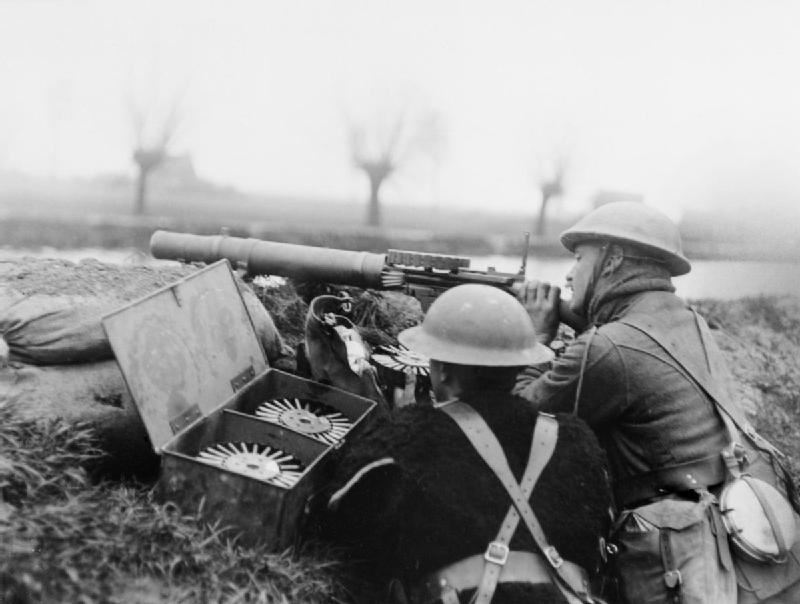
The German spring offensive, or Kaiserschlacht (“Kaiser’s Battle”), also known as the Ludendorff offensive, was a series of German attacks along the Western Front during
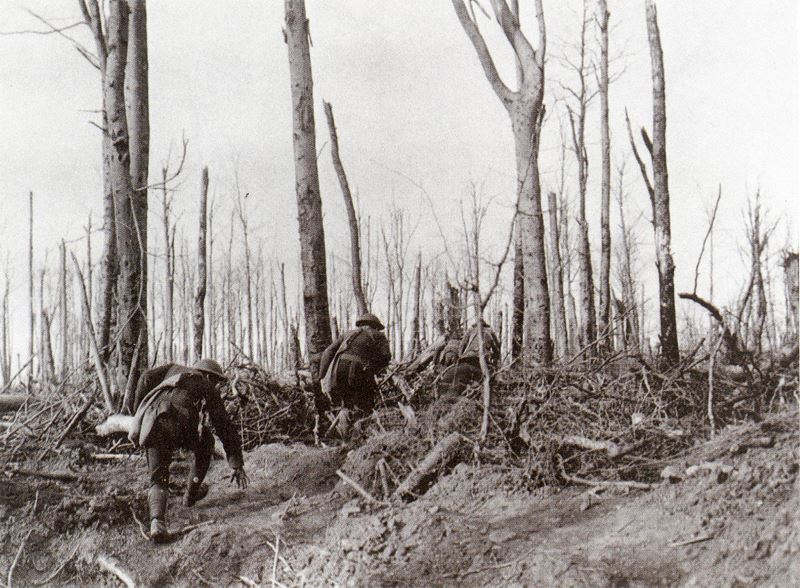
The Meuse–Argonne offensive (also known as the Meuse River–Argonne Forest offensive,[6] the Battles of the Meuse–Argonne, and the Meuse–Argonne campaign) was a major part of