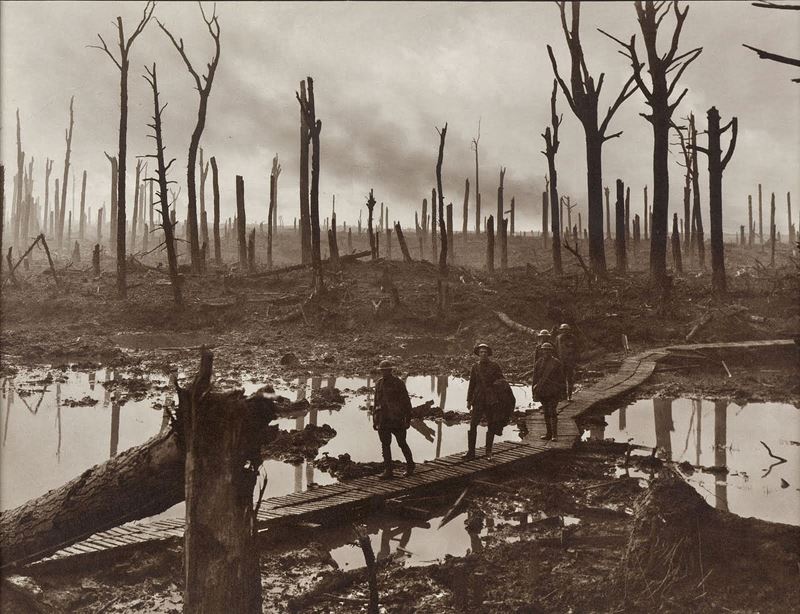
World War 1
Battle of Passchendaele
The Third Battle of Ypres (German: Dritte Flandernschlacht; French: Troisième Bataille des Flandres; Dutch: Derde Slag om Ieper), also known as the Battle of Passchendaele

The Third Battle of Ypres (German: Dritte Flandernschlacht; French: Troisième Bataille des Flandres; Dutch: Derde Slag om Ieper), also known as the Battle of Passchendaele
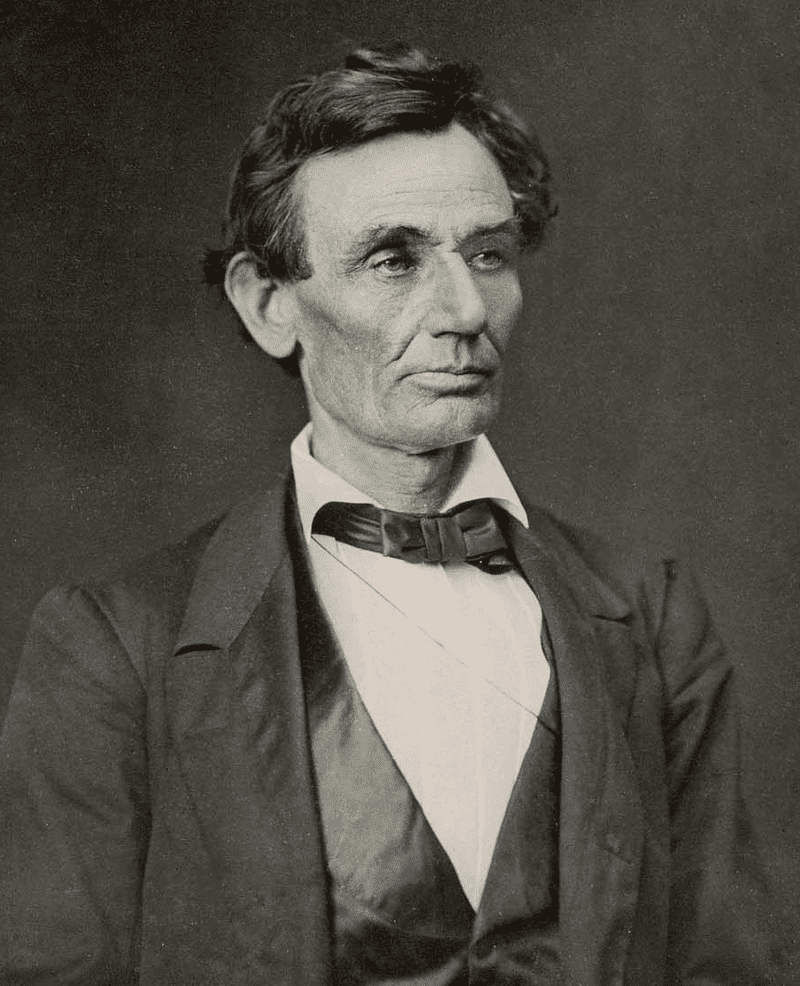
The election of Abraham Lincoln in November 1860 was the final trigger for secession.[109] Southern leaders feared that Lincoln would stop the expansion of slavery
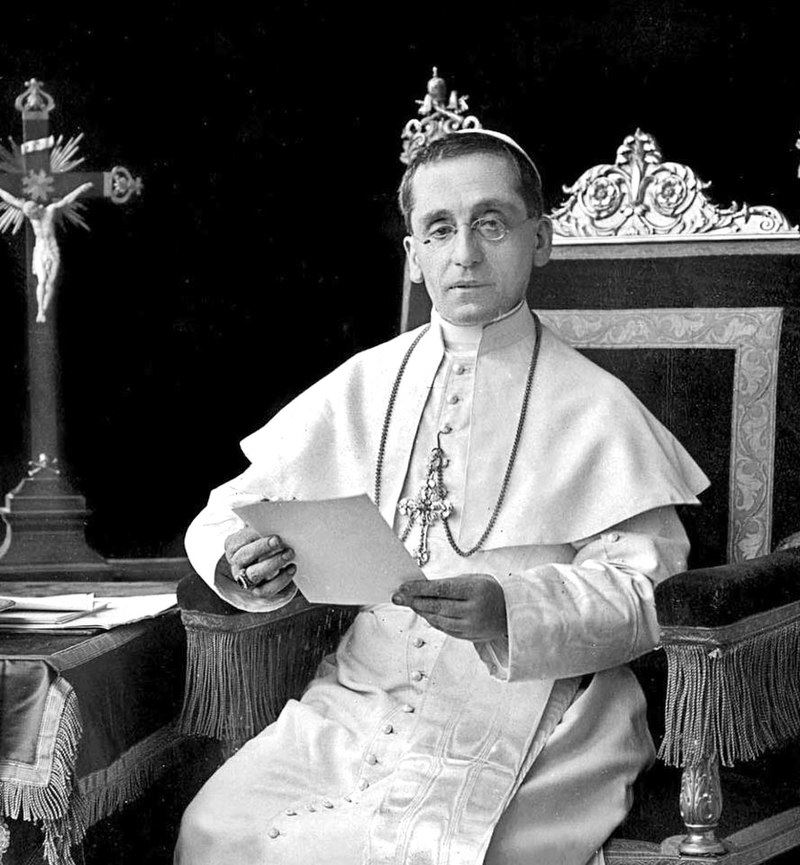
Benedict XV’s pontificate was dominated by World War I, which he termed, along with its turbulent aftermath, “the suicide of Europe.”[25] Benedict’s first encyclical extended
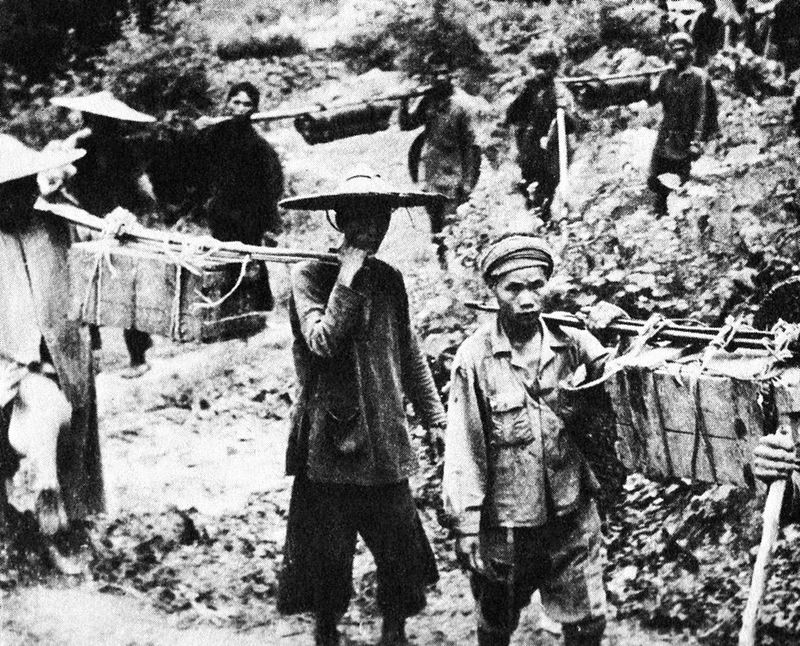
Fighting broke out all along the border with North Vietnam.[1] North Vietnamese Army regular units participated in attacks on July 28–31, 1959.[1] These operations established
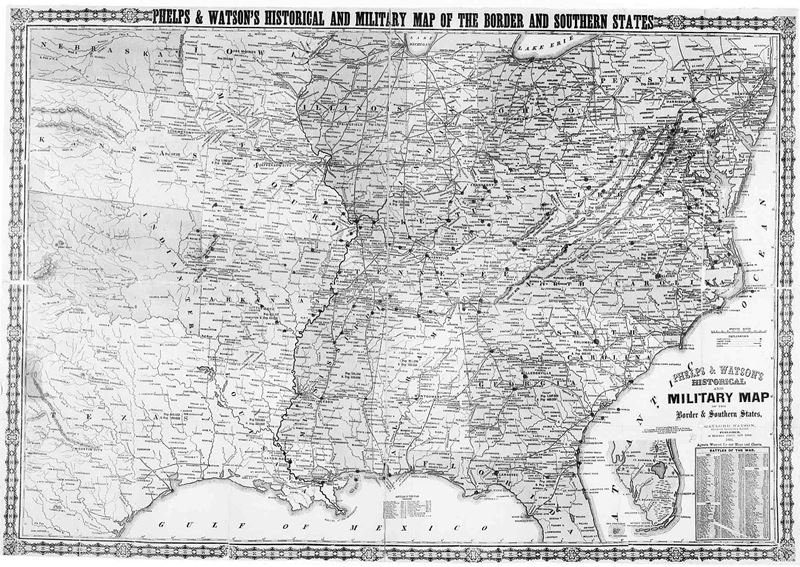
Table of Contents “Border States” refers to the slave states that surrounded the free states that made up the Union. When it came to winning
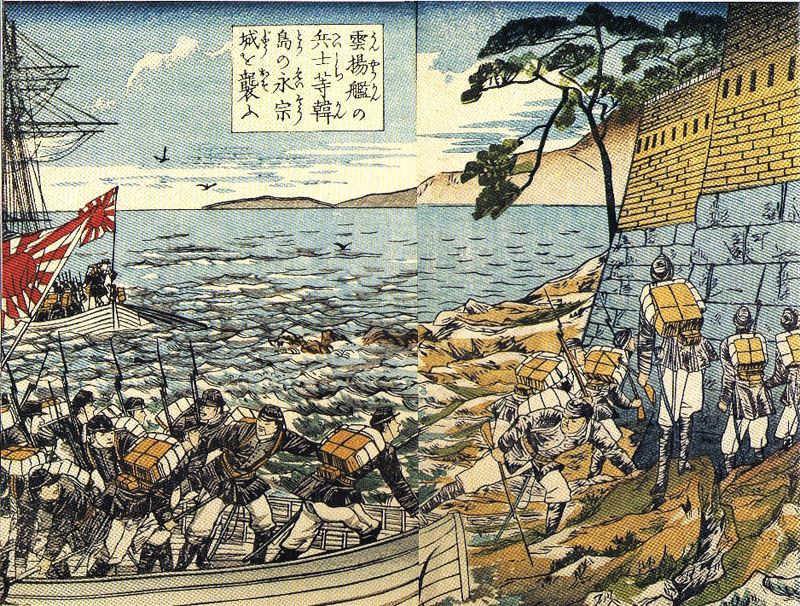
Imperial Japan severely diminished the influence of China over Korea in the First Sino-Japanese War (1894–95), ushering in the short-lived Korean Empire.[72] A decade later,
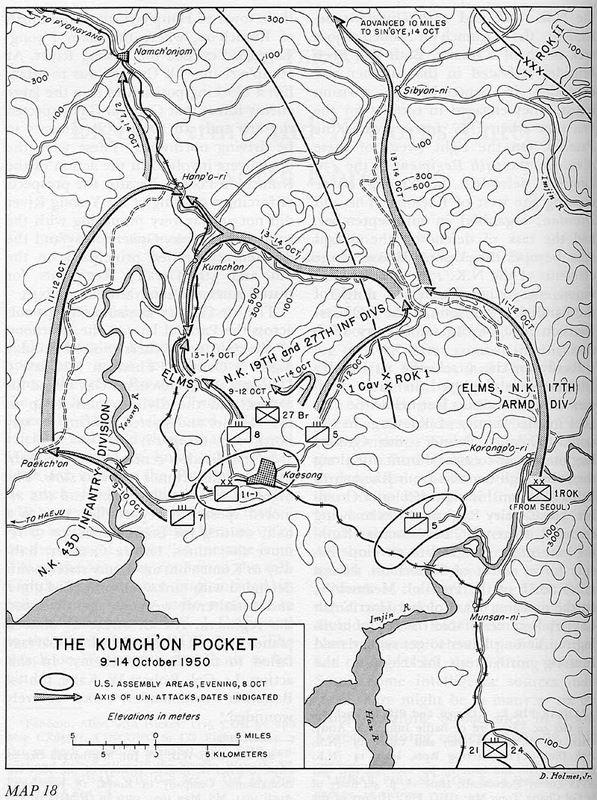
The UN offensive into North Korea was a large-scale offensive in late 1950 by United Nations (UN) forces against North Korean forces. On 27 September
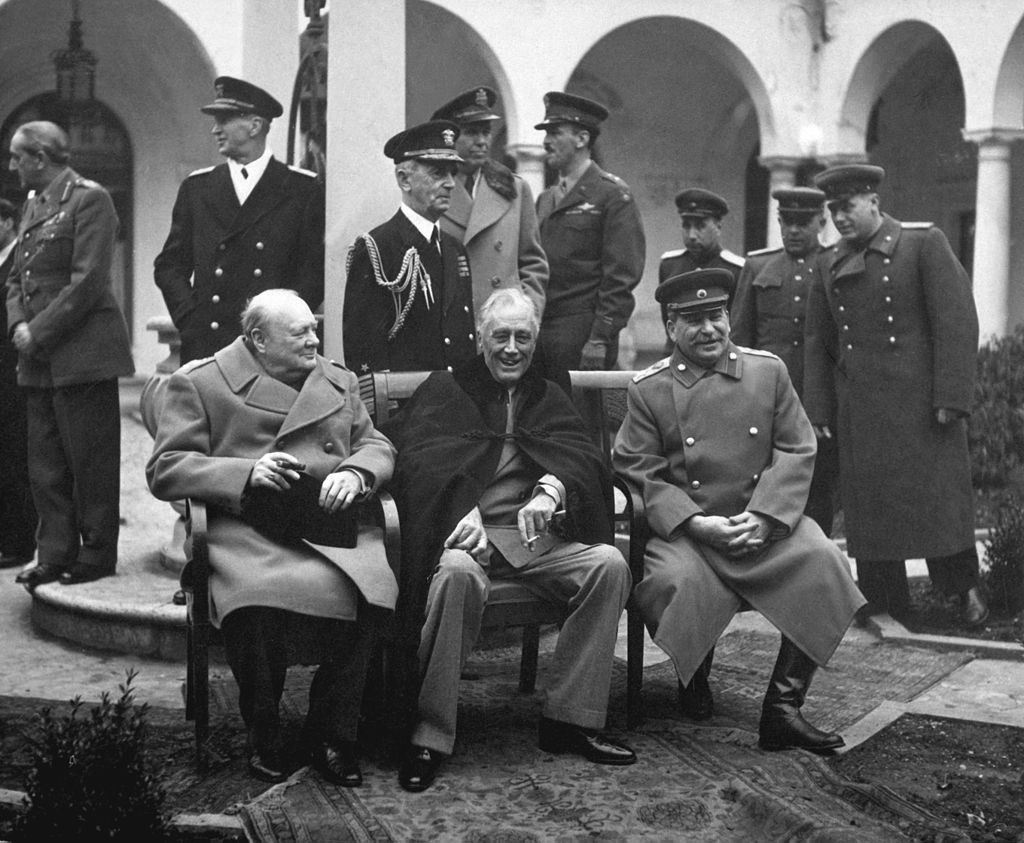
Germany and the Soviet Union were sworn enemies, but following the Munich Agreement, which effectively handed over Czechoslovakia (a French and Soviet ally, and the