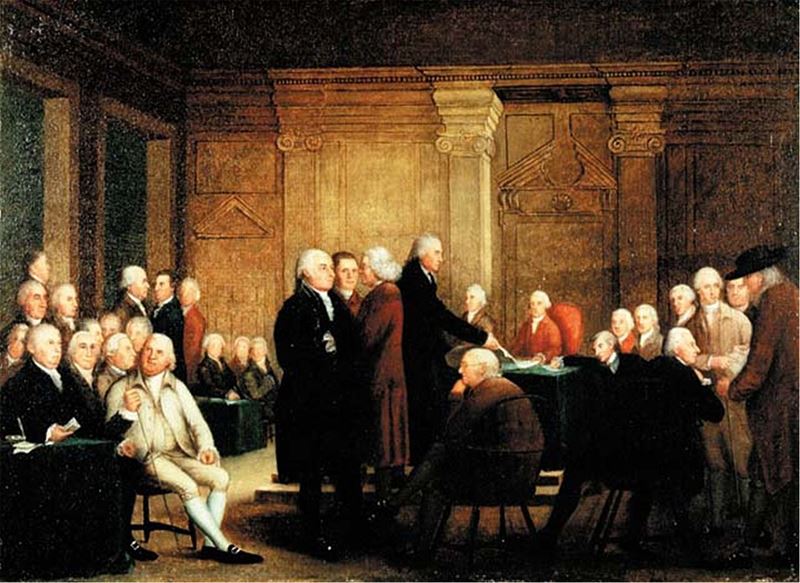
American Revolution
Second Continental Congress
The Second Continental Congress was a late-18th-century meeting of delegates from the Thirteen Colonies that united in support of the American Revolutionary War. The Congress
The Second Continental Congress was a late-18th-century meeting of delegates from the Thirteen Colonies that united in support of the American Revolutionary War. The Congress
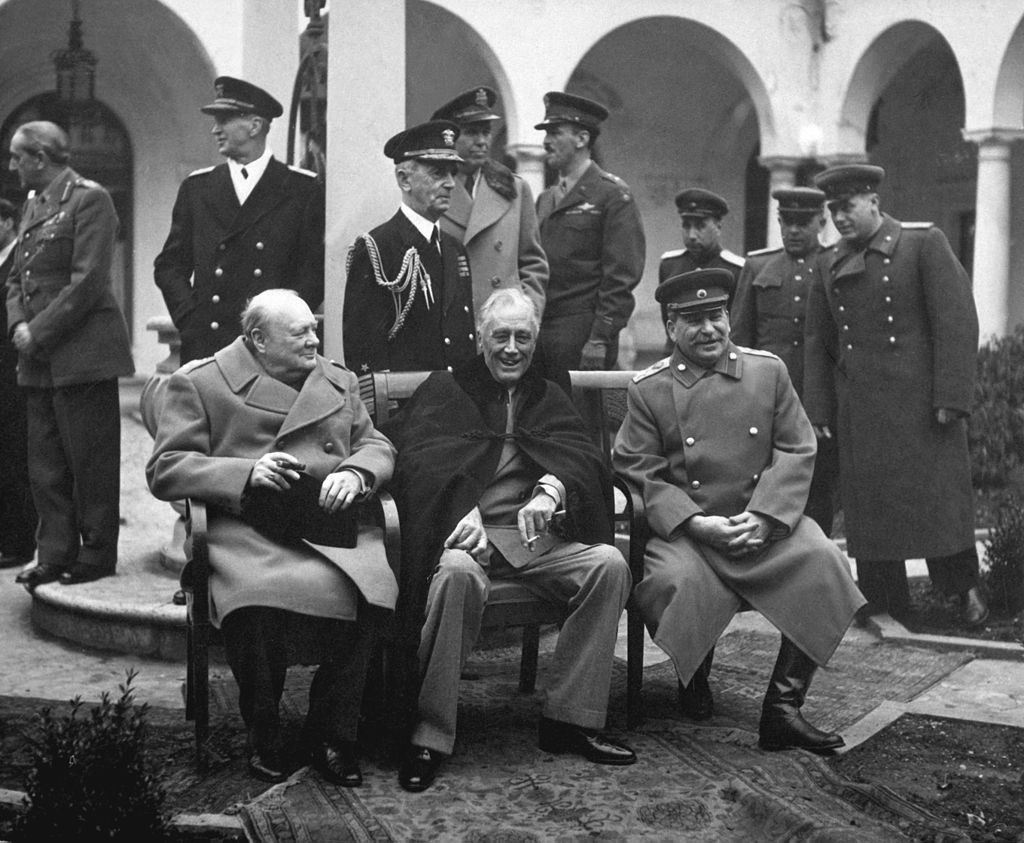
Germany and the Soviet Union were sworn enemies, but following the Munich Agreement, which effectively handed over Czechoslovakia (a French and Soviet ally, and the
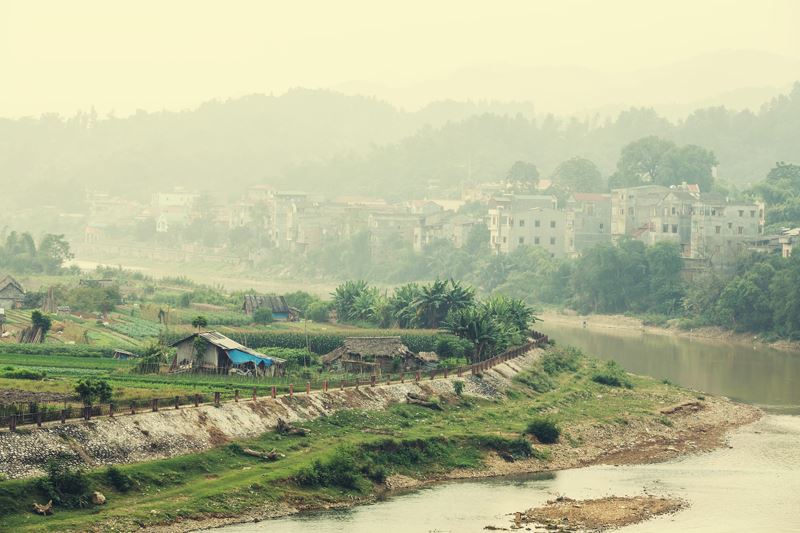
Diệm’s road to political power began in July 1954 when he was appointed the Prime Minister of the State of Vietnam by former Emperor Bảo
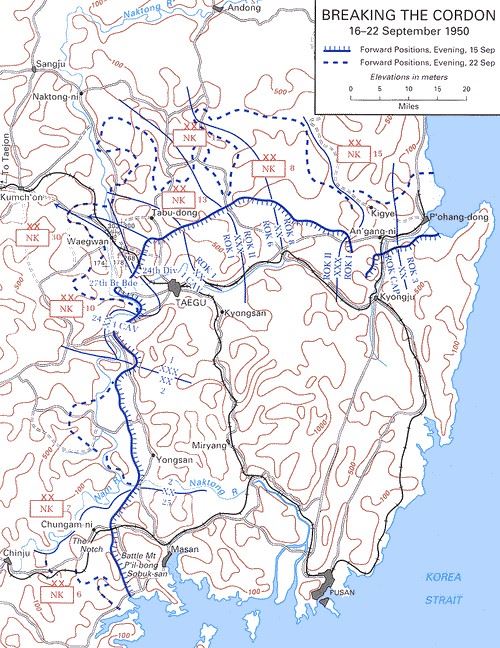
The Pusan Perimeter offensive was a large-scale offensive by United Nations Command (UN) forces against North Korean forces commencing on 16 September 1950. UN forces,
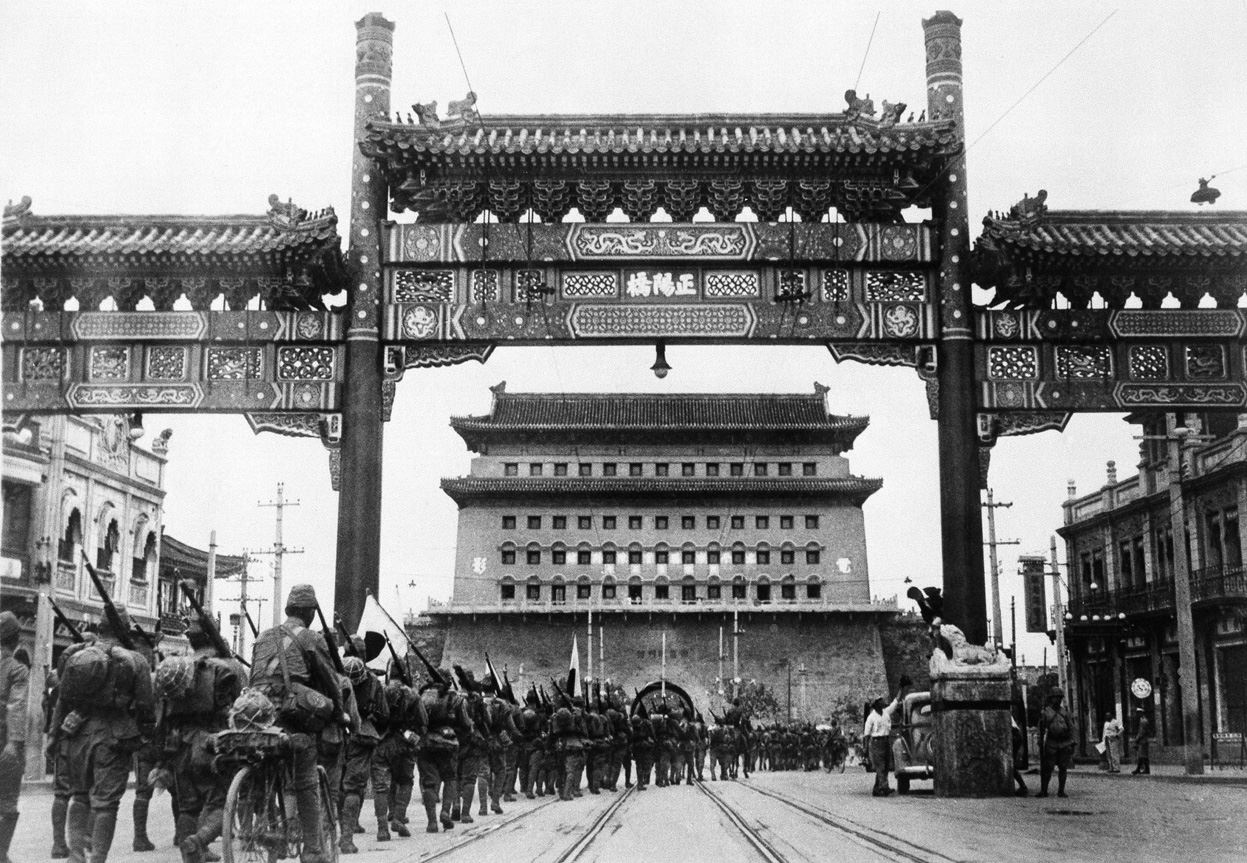
causes of World War II, a global war from 1939 to 1945 that was the deadliest conflict in human history, have been given considerable attention
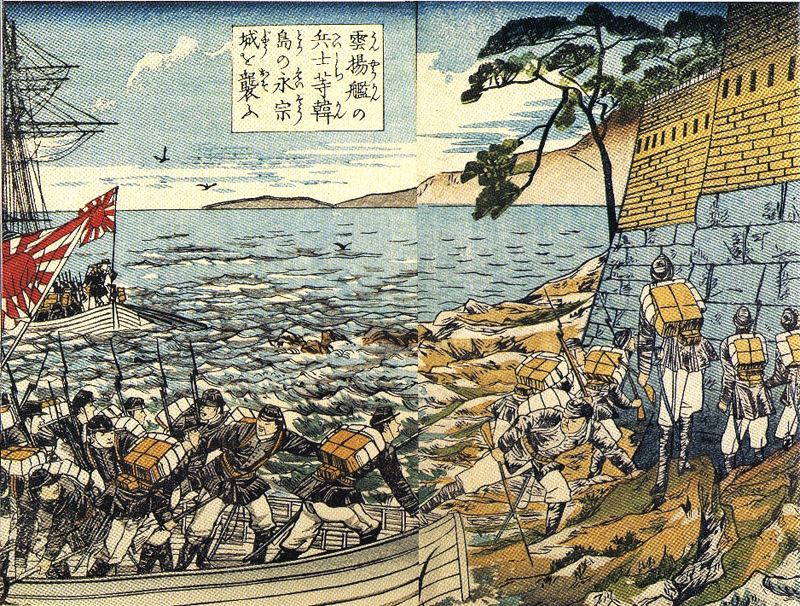
Imperial Japan severely diminished the influence of China over Korea in the First Sino-Japanese War (1894–95), ushering in the short-lived Korean Empire.[72] A decade later,
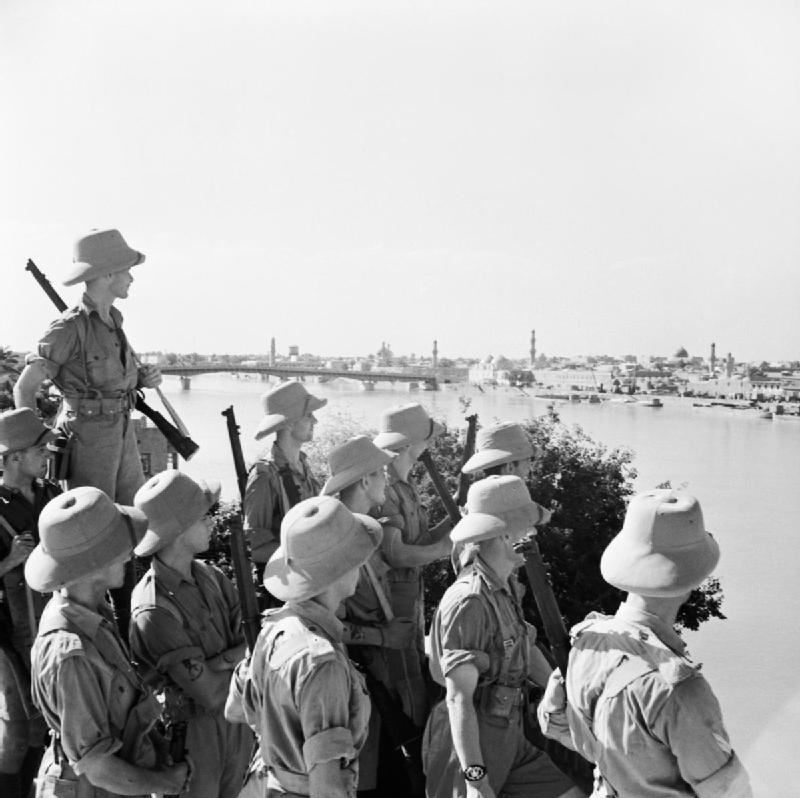
The Mediterranean and Middle East Theatre was a major theatre of operations during the Second World War. The vast size of the Mediterranean and Middle
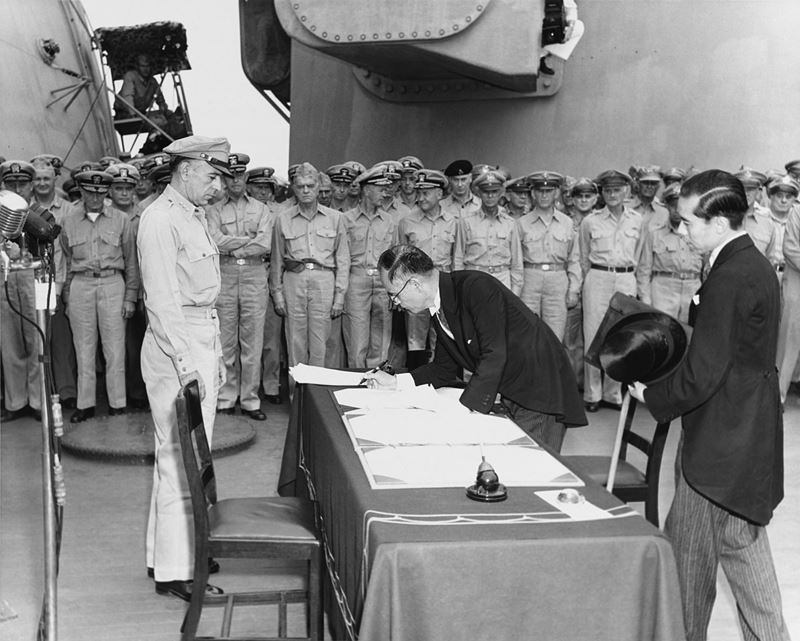
The surrender of the Empire of Japan in World War II was announced by Emperor Hirohito on 15 August and formally signed on 2 September