Cold War
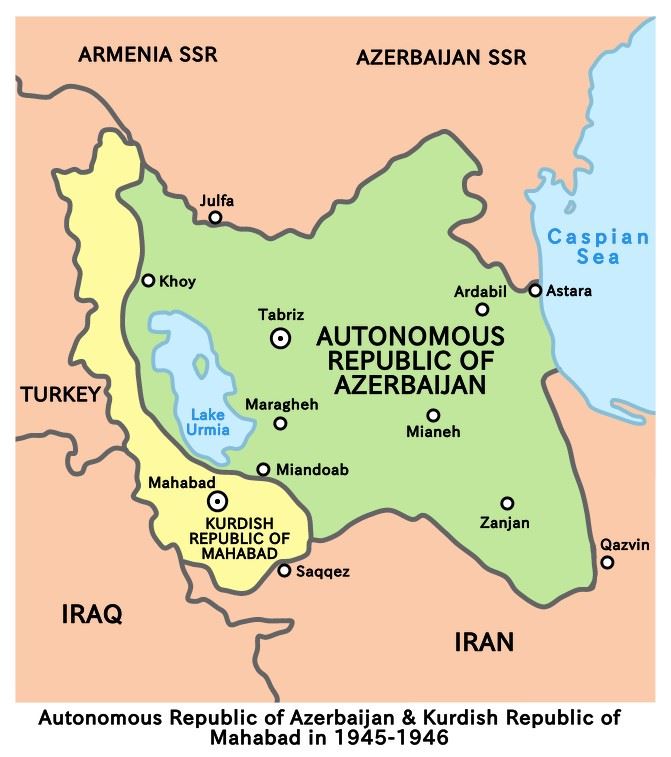
Iran Crisis of 1946
The Iran crisis of 1946, also known as the Azerbaijan Crisis (Persian: غائله آذربایجان, romanized: Qaʾilih Âzarbâyjân) in the Iranian sources, was one of the

The Iran crisis of 1946, also known as the Azerbaijan Crisis (Persian: غائله آذربایجان, romanized: Qaʾilih Âzarbâyjân) in the Iranian sources, was one of the
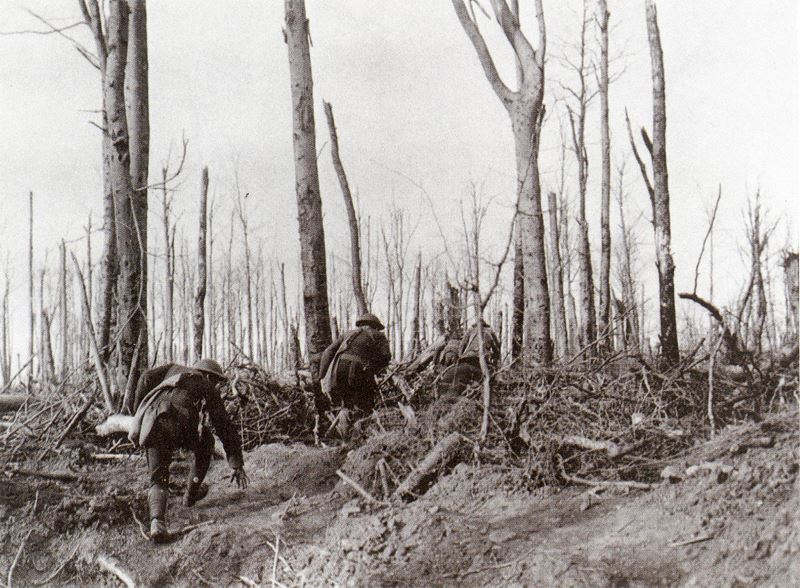
The Meuse–Argonne offensive (also known as the Meuse River–Argonne Forest offensive,[6] the Battles of the Meuse–Argonne, and the Meuse–Argonne campaign) was a major part of

The election of Abraham Lincoln in November 1860 was the final trigger for secession.[109] Southern leaders feared that Lincoln would stop the expansion of slavery
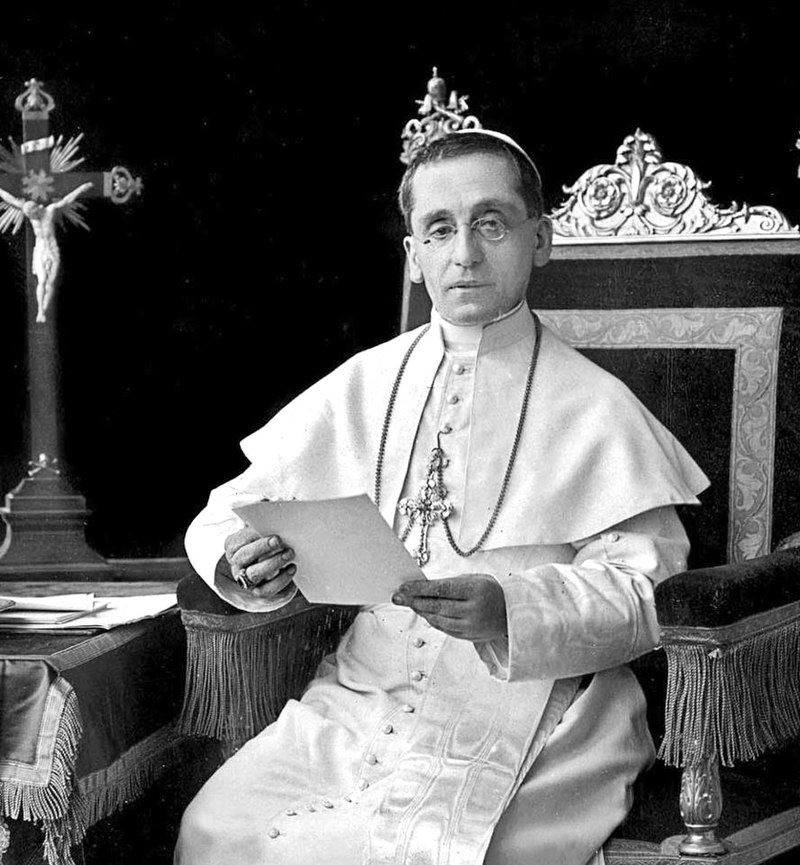
Benedict XV’s pontificate was dominated by World War I, which he termed, along with its turbulent aftermath, “the suicide of Europe.”[25] Benedict’s first encyclical extended
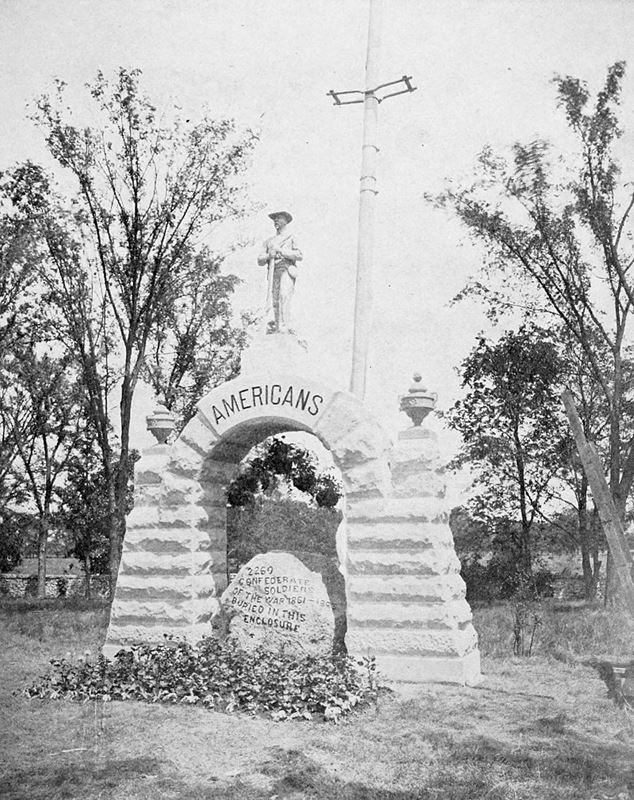
Between 1861 and 1865, American Civil War prison camps were operated by the Union and the Confederacy to detain over 400,000 captured soldiers. From the
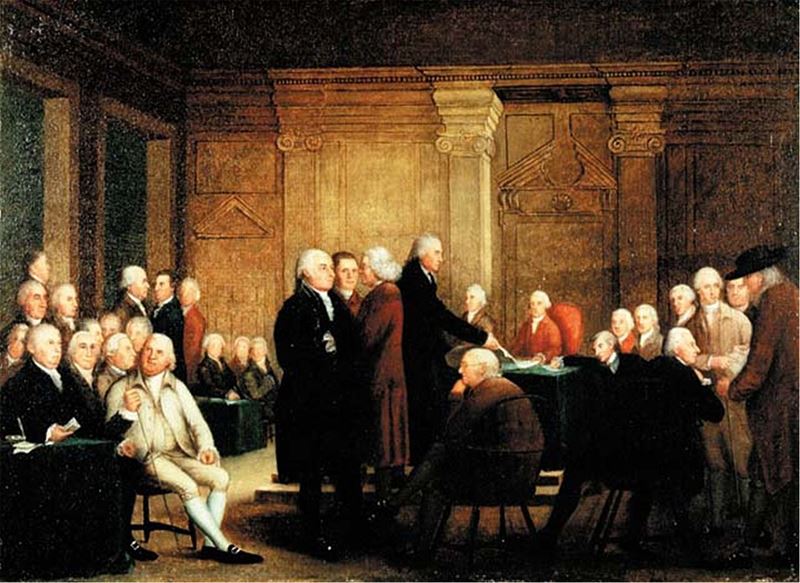
The Second Continental Congress was a late-18th-century meeting of delegates from the Thirteen Colonies that united in support of the American Revolutionary War. The Congress
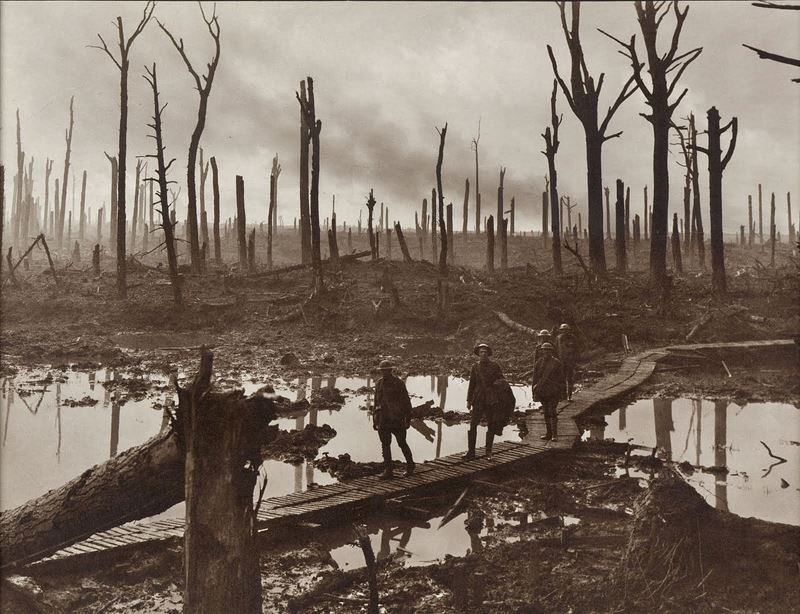
The Third Battle of Ypres (German: Dritte Flandernschlacht; French: Troisième Bataille des Flandres; Dutch: Derde Slag om Ieper), also known as the Battle of Passchendaele
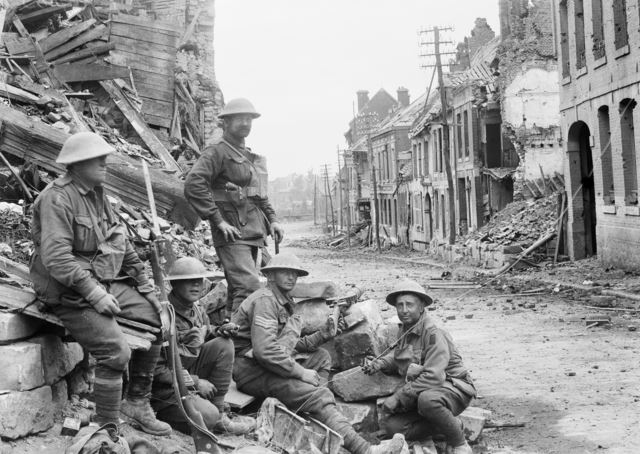
The Hundred Days Offensive (8 August to 11 November 1918) was a series of massive Allied offensives which ended the First World War. Beginning with