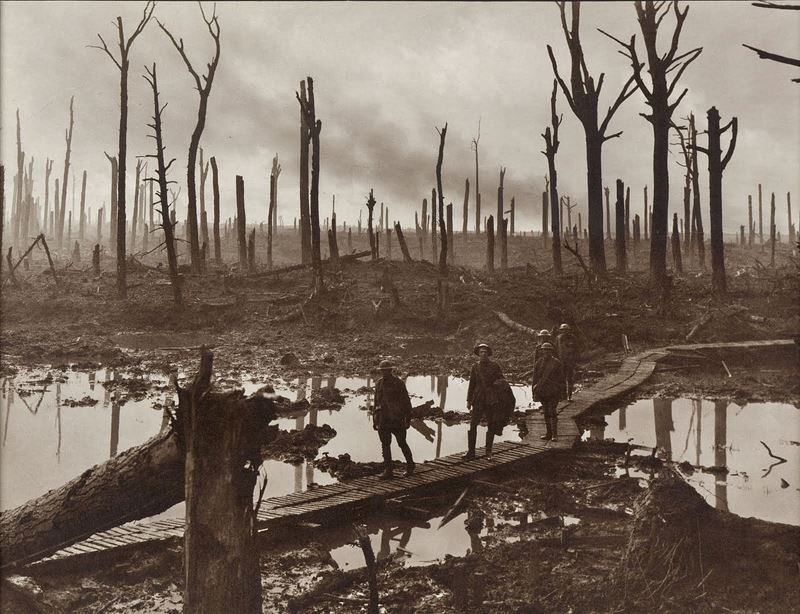
World War 1
Battle of Passchendaele
The Third Battle of Ypres (German: Dritte Flandernschlacht; French: Troisième Bataille des Flandres; Dutch: Derde Slag om Ieper), also known as the Battle of Passchendaele

The Third Battle of Ypres (German: Dritte Flandernschlacht; French: Troisième Bataille des Flandres; Dutch: Derde Slag om Ieper), also known as the Battle of Passchendaele
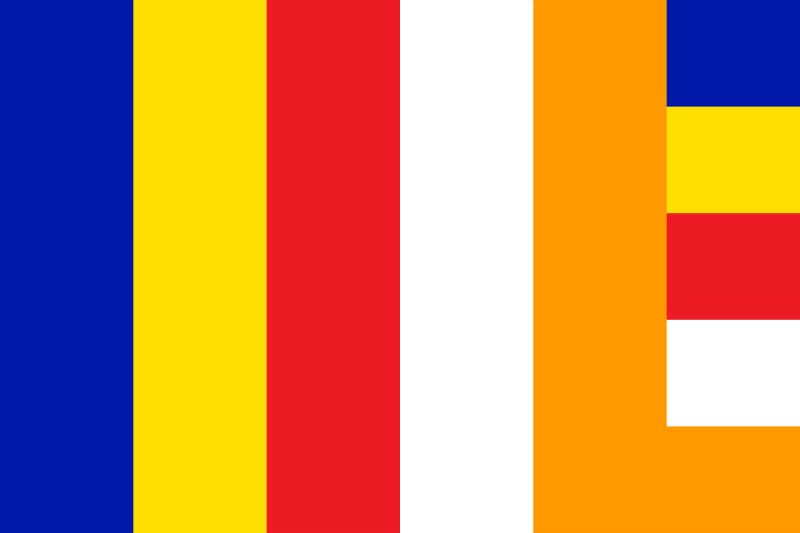
In South Vietnam, a country where the Buddhist majority was estimated to comprise between 70 and 90 percent of the population in 1963,[2][3][4][5][6] President Ngô
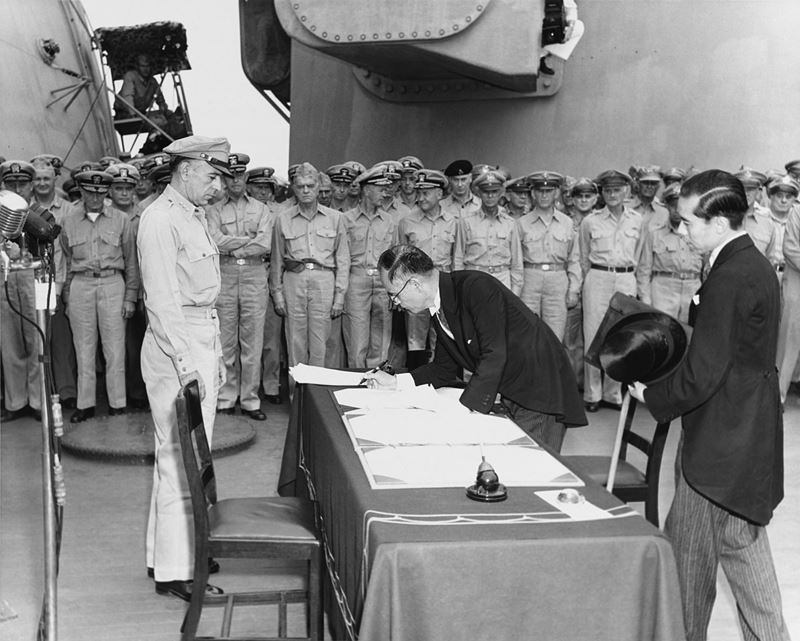
The surrender of the Empire of Japan in World War II was announced by Emperor Hirohito on 15 August and formally signed on 2 September
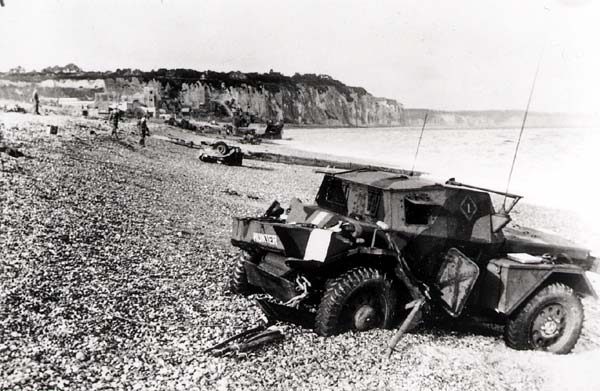
Table of Contents On September 1, 1939, Germany invaded Poland, officially beginning World War II. The conflict would consume the world for six years as
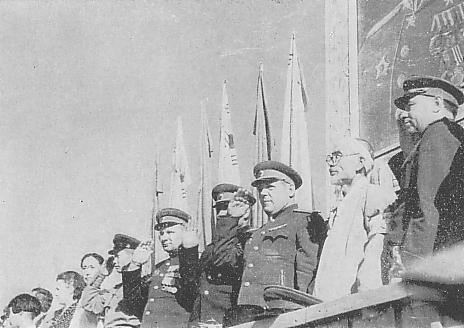
The division of Korea began with the defeat of Japan in World War II. During the war, the Allied leaders considered the question of Korea’s
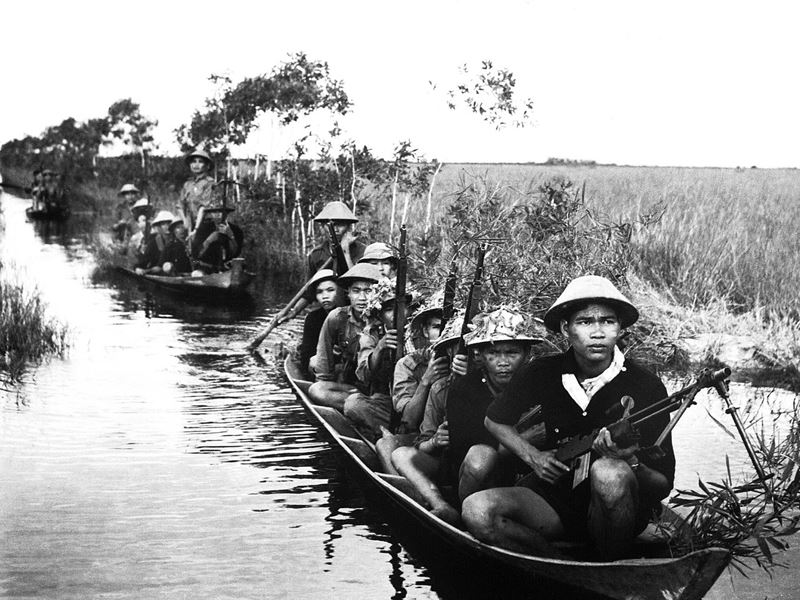
Table of Contents The Viet Cong, also known as the Viet Nam Cong San or English Vietnamese Communists, were a guerrilla group that, with the
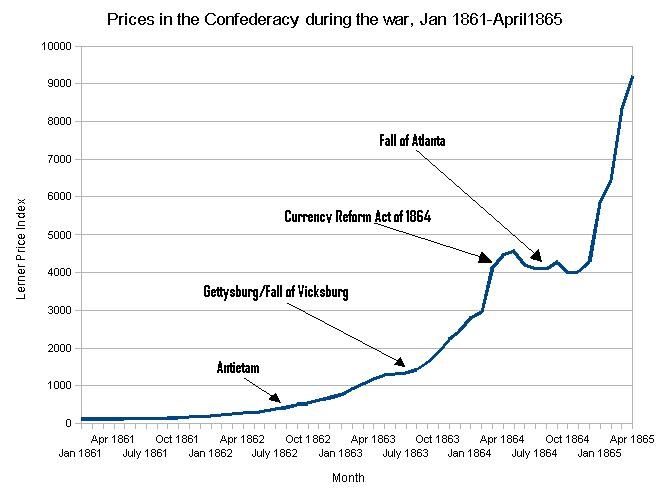
The economic history of the American Civil War concerns the financing of the Union and Confederate war efforts from 1861 to 1865, and the economic
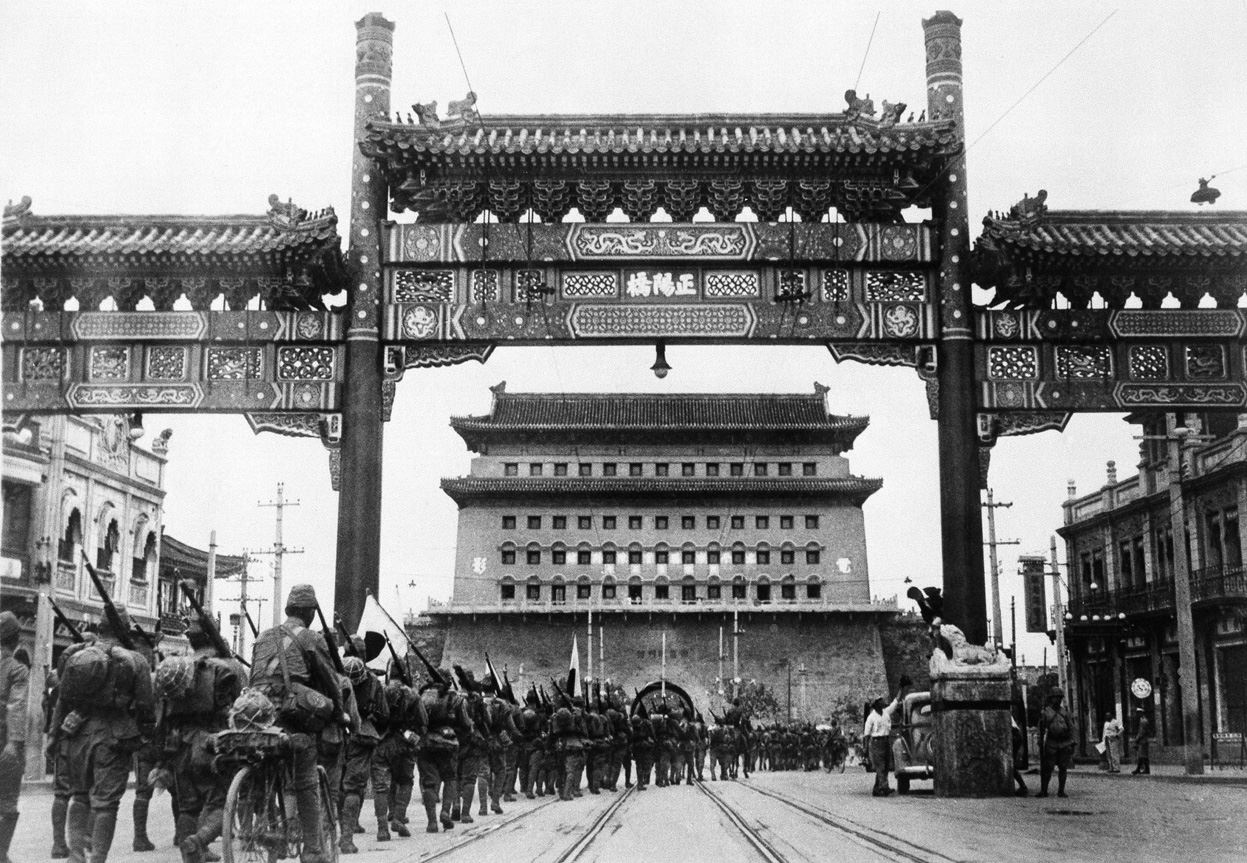
causes of World War II, a global war from 1939 to 1945 that was the deadliest conflict in human history, have been given considerable attention