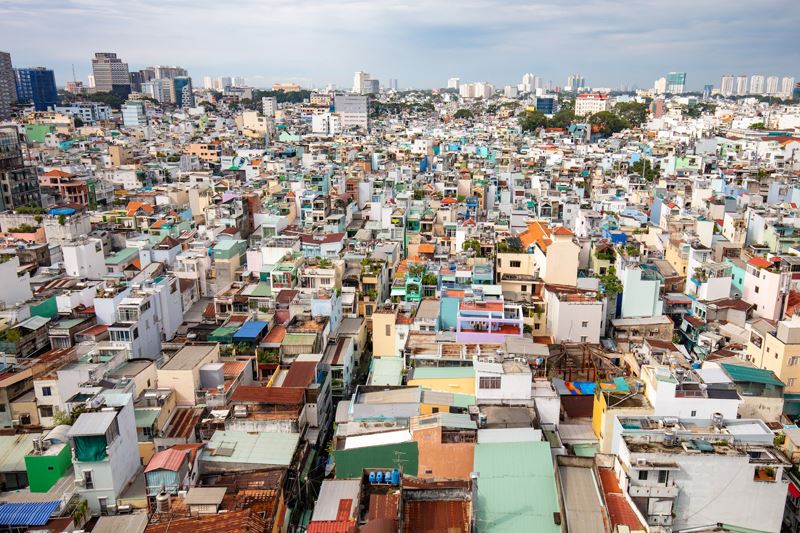
Vietnam War
Battle of Saigon 1955
The final battle between Diệm’s VNA and the Bình Xuyên began on April 28 at mid-day.[1] After initial small-arms fire and mortar exchanges, the VNA

The final battle between Diệm’s VNA and the Bình Xuyên began on April 28 at mid-day.[1] After initial small-arms fire and mortar exchanges, the VNA
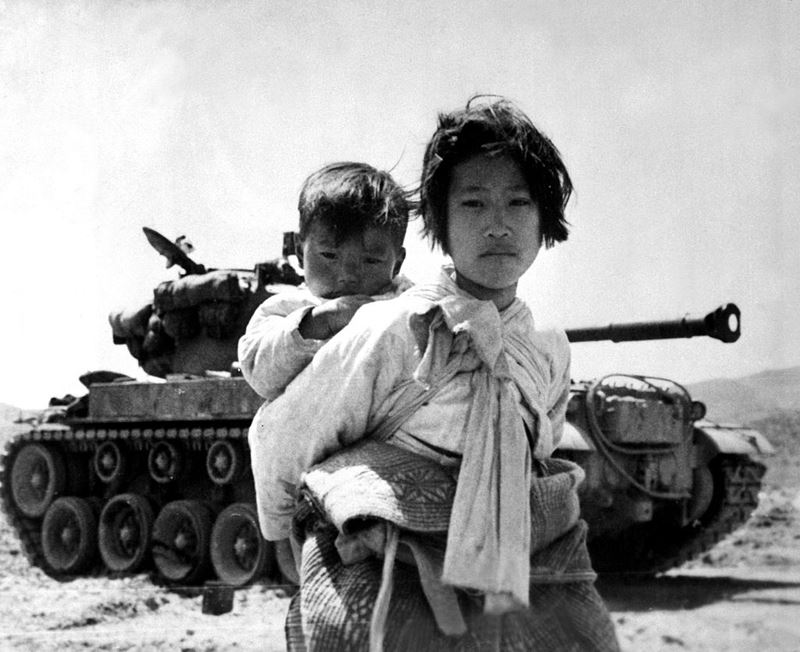
This is a timeline of the main events of the Cold War, a state of and military tension after World War II between powers in
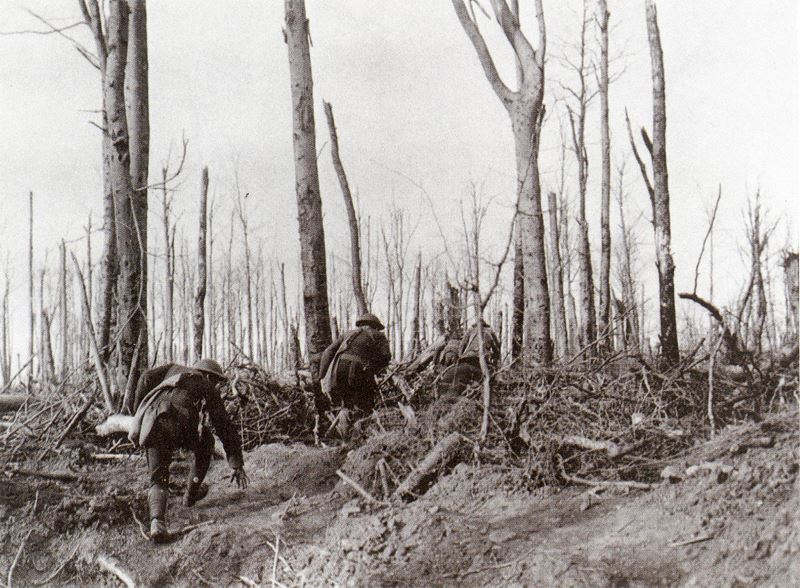
The Meuse–Argonne offensive (also known as the Meuse River–Argonne Forest offensive,[6] the Battles of the Meuse–Argonne, and the Meuse–Argonne campaign) was a major part of
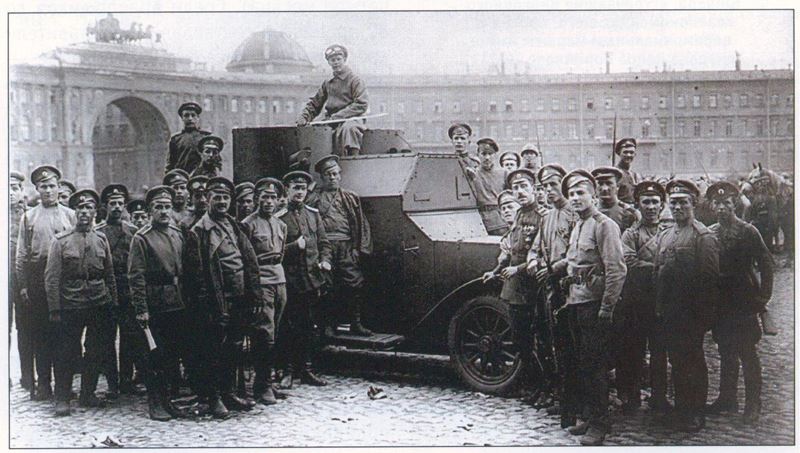
The Russian Revolution was a period of political and social revolution that took place in the former Russian Empire which began during the First World
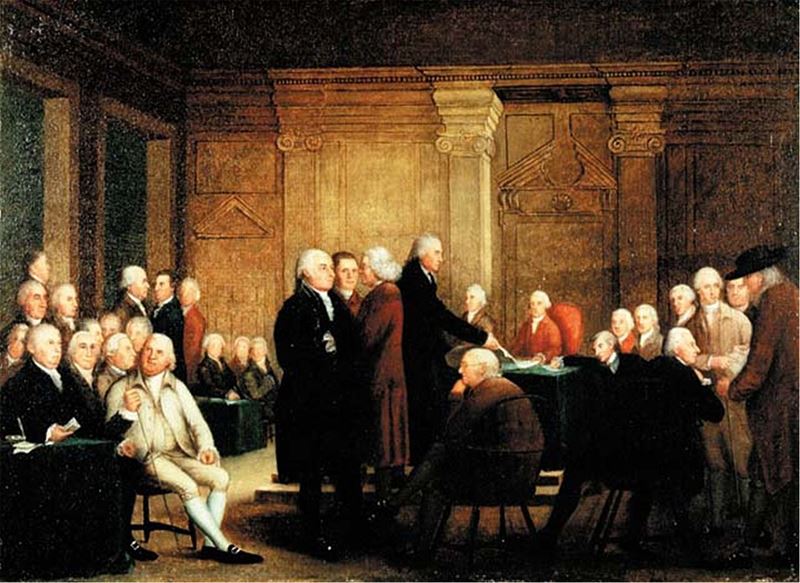
The Second Continental Congress was a late-18th-century meeting of delegates from the Thirteen Colonies that united in support of the American Revolutionary War. The Congress
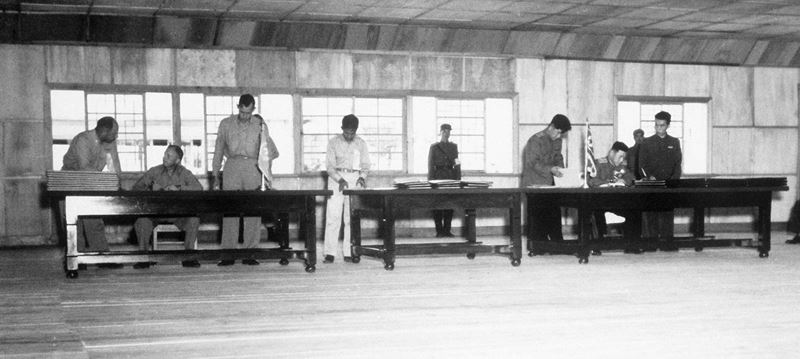
The Korean Armistice Agreement is an armistice that brought about a complete cessation of hostilities of the Korean War. It was signed by United States
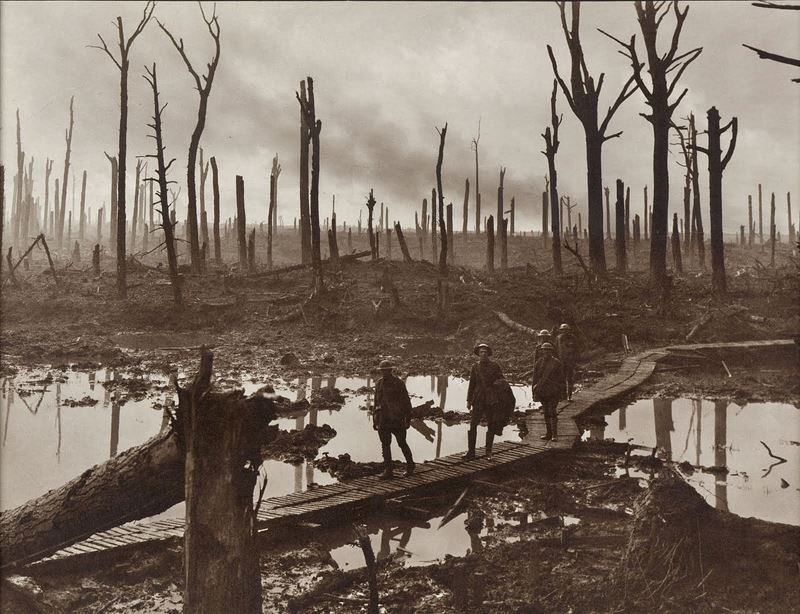
The Third Battle of Ypres (German: Dritte Flandernschlacht; French: Troisième Bataille des Flandres; Dutch: Derde Slag om Ieper), also known as the Battle of Passchendaele
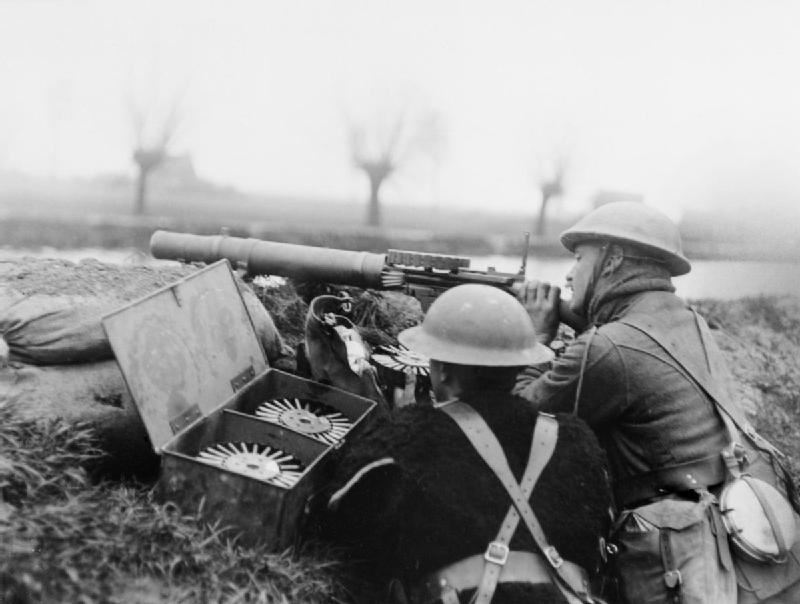
The German spring offensive, or Kaiserschlacht (“Kaiser’s Battle”), also known as the Ludendorff offensive, was a series of German attacks along the Western Front during