Vietnam War
Ho Chi Minh Trail
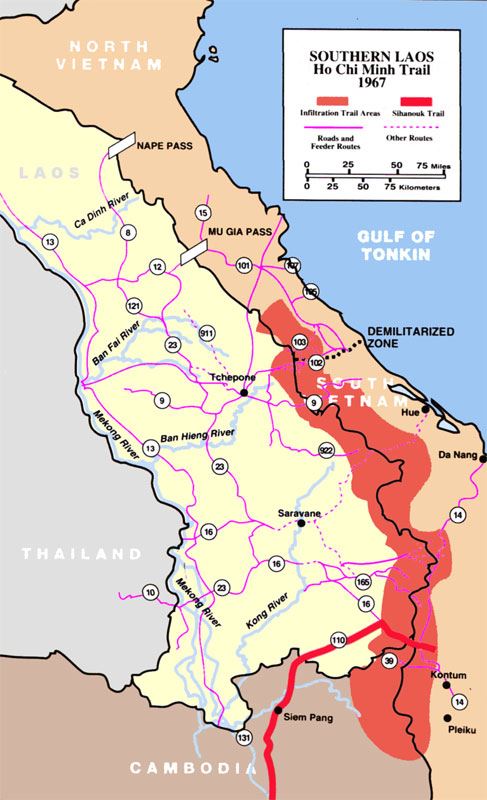
The Ho Chi Minh Trail (Vietnamese: Đường mòn Hồ Chí Minh), also called Annamite Range Trail (Vietnamese: Đường Trường Sơn) was a logistical network of

The Ho Chi Minh Trail (Vietnamese: Đường mòn Hồ Chí Minh), also called Annamite Range Trail (Vietnamese: Đường Trường Sơn) was a logistical network of
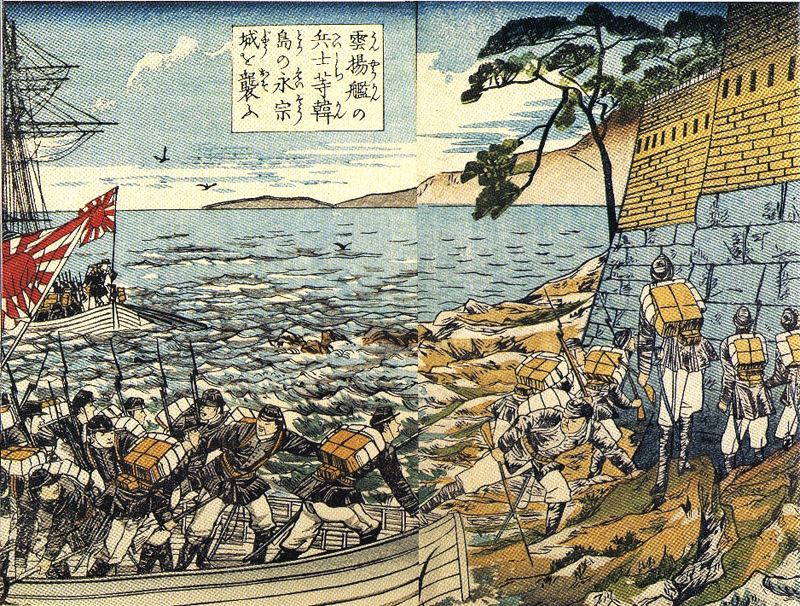
Imperial Japan severely diminished the influence of China over Korea in the First Sino-Japanese War (1894–95), ushering in the short-lived Korean Empire.[72] A decade later,
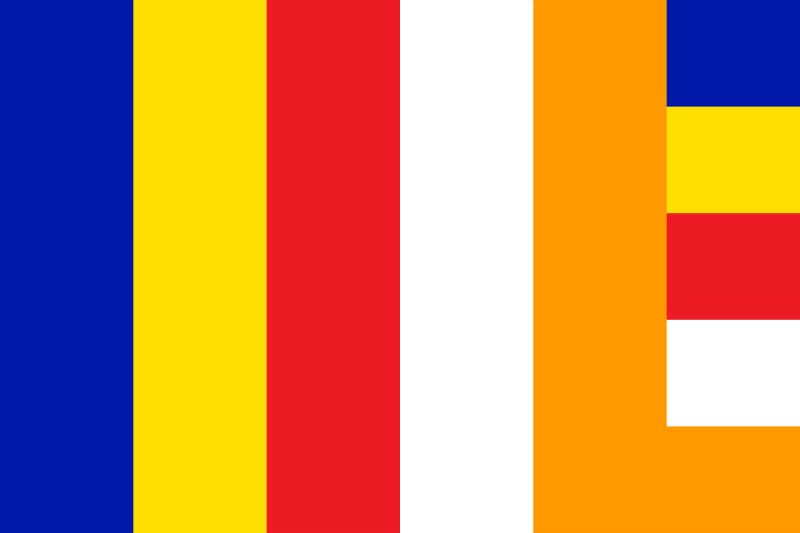
In South Vietnam, a country where the Buddhist majority was estimated to comprise between 70 and 90 percent of the population in 1963,[2][3][4][5][6] President Ngô
The final battle between Diệm’s VNA and the Bình Xuyên began on April 28 at mid-day.[1] After initial small-arms fire and mortar exchanges, the VNA
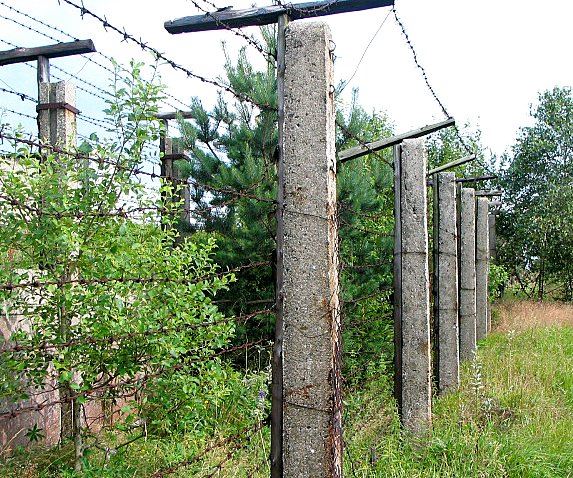
The Iron Curtain is a term describing the political boundary dividing Europe into two separate areas from the end of World War II in 1945
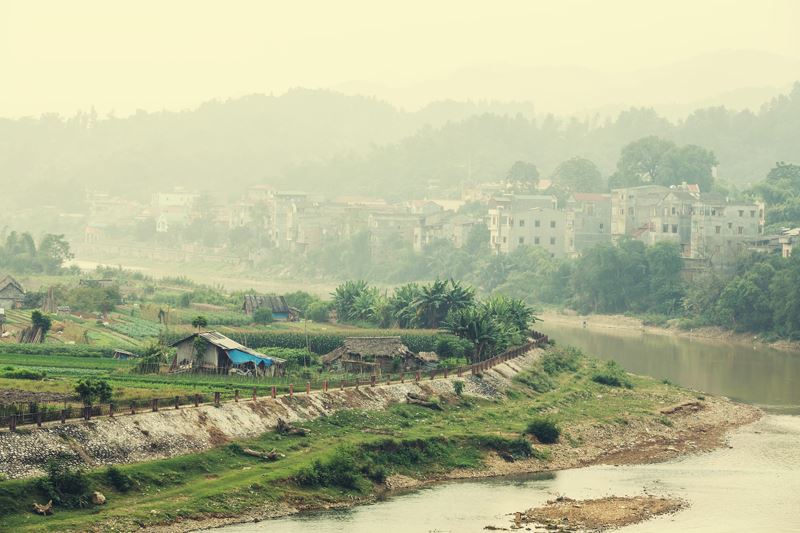
Diệm’s road to political power began in July 1954 when he was appointed the Prime Minister of the State of Vietnam by former Emperor Bảo
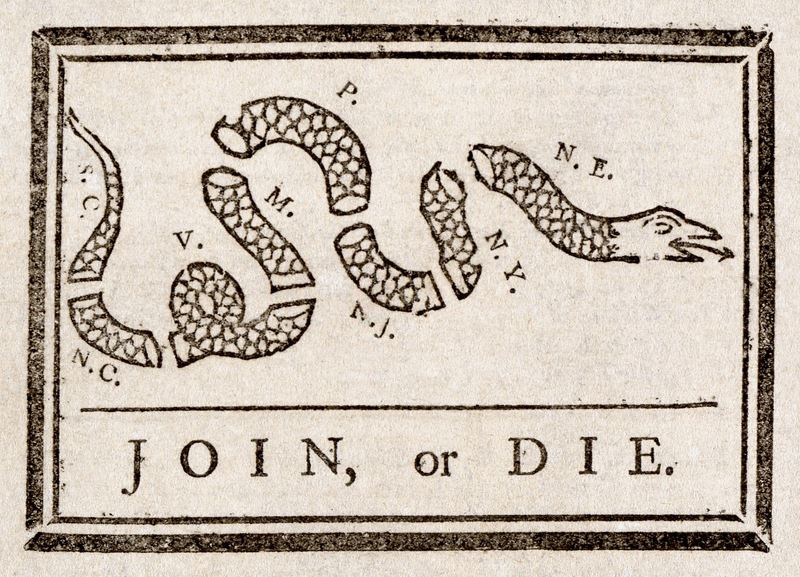
In the United States, each state has its own written constitution. They are much longer than the United States Constitution, which only contains 4,543 words.
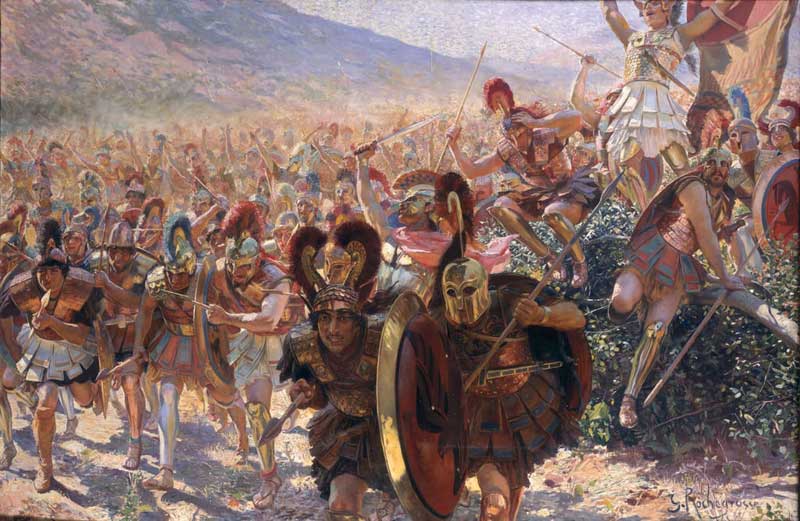
The Battle of Marathon, fought in 490 BCE between the Athenians and Persians, holds a significant place in history as a testament to strategic brilliance,