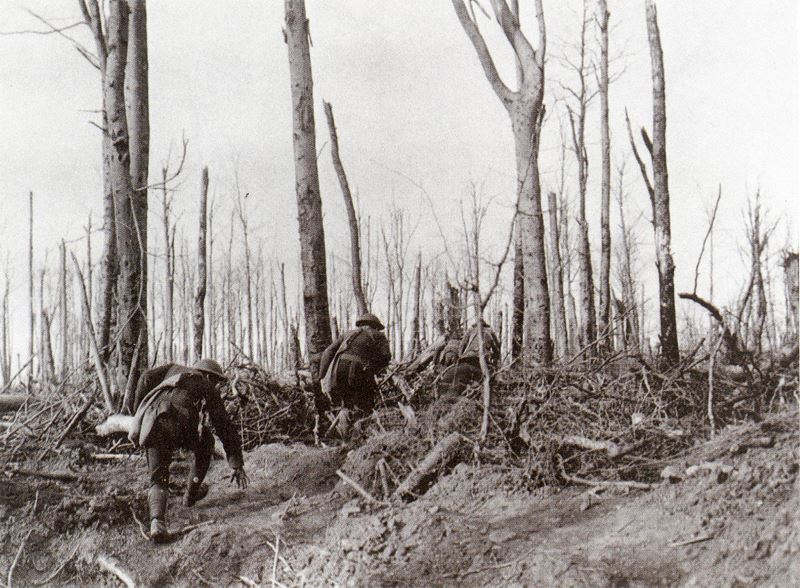
World War 1
Meuse-Argonne Offensive
The Meuse–Argonne offensive (also known as the Meuse River–Argonne Forest offensive,[6] the Battles of the Meuse–Argonne, and the Meuse–Argonne campaign) was a major part of

The Meuse–Argonne offensive (also known as the Meuse River–Argonne Forest offensive,[6] the Battles of the Meuse–Argonne, and the Meuse–Argonne campaign) was a major part of
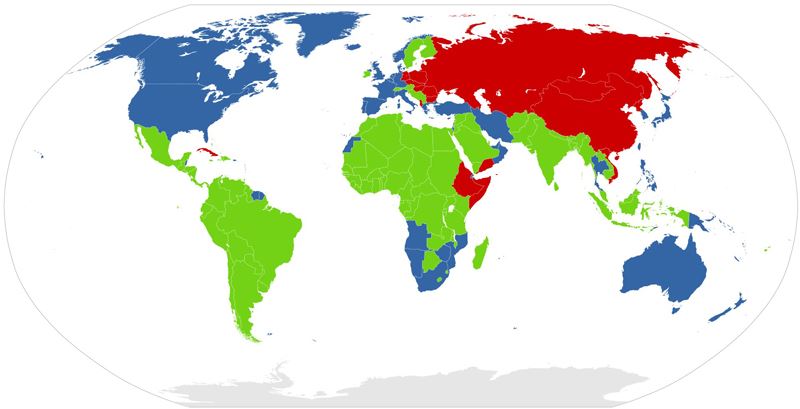
The Western Bloc, also known as the Free Bloc, the Capitalist Bloc, the American Bloc, and the NATO Bloc, was a coalition of countries that
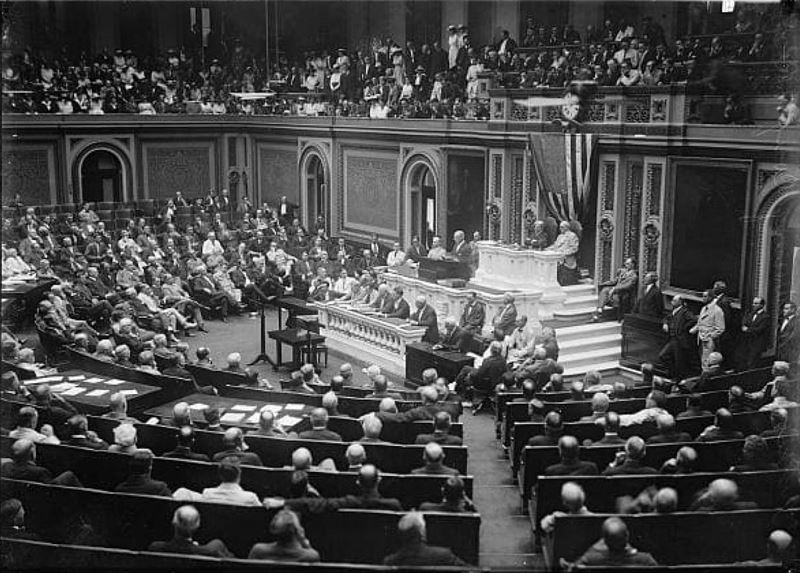
The United States entered into World War I in April 1917, more than two and a half years after the war began in Europe. Apart
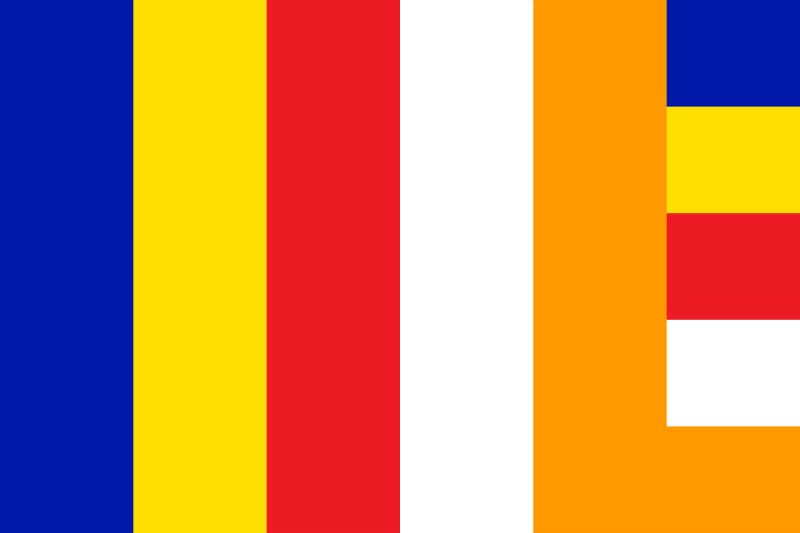
In South Vietnam, a country where the Buddhist majority was estimated to comprise between 70 and 90 percent of the population in 1963,[2][3][4][5][6] President Ngô

Table of Contents The disagreement between the two states over tariffs quickly escalated into the American Civil War. On April 12th, 1861, Confederate forces bombarded
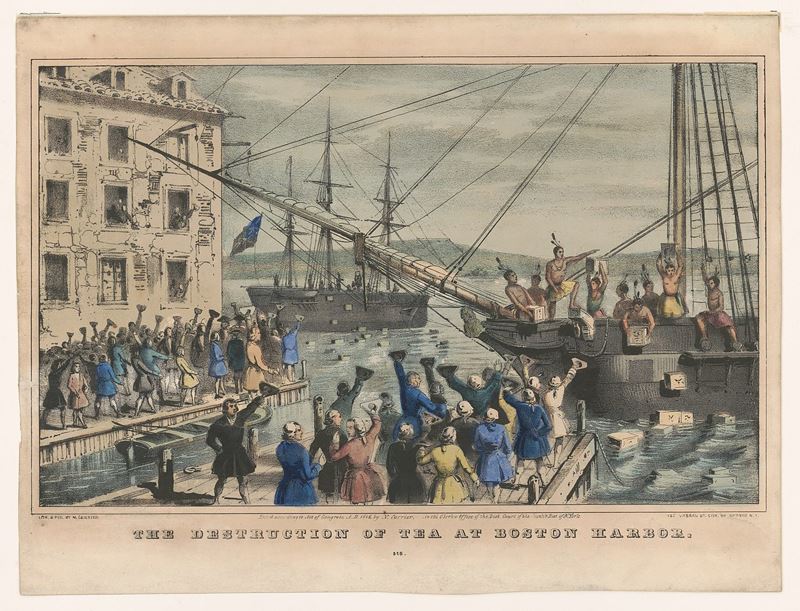
Table of Contents The American Revolutionary War was fought from 1775 to 1783 and resulted in the independence of the United States from Great Britain.
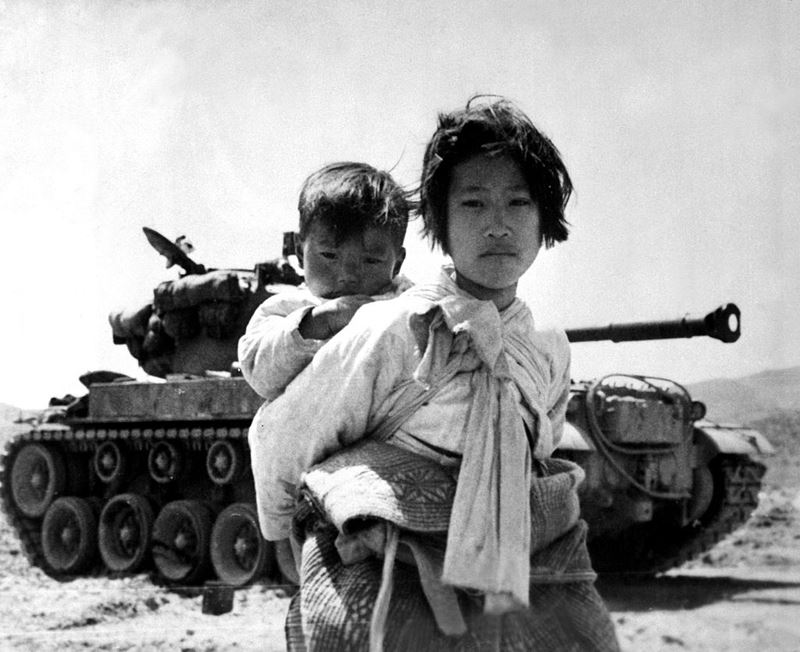
This is a timeline of the main events of the Cold War, a state of and military tension after World War II between powers in
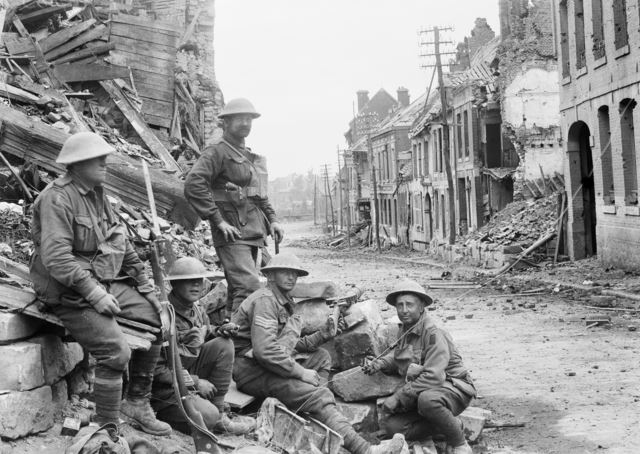
The Hundred Days Offensive (8 August to 11 November 1918) was a series of massive Allied offensives which ended the First World War. Beginning with