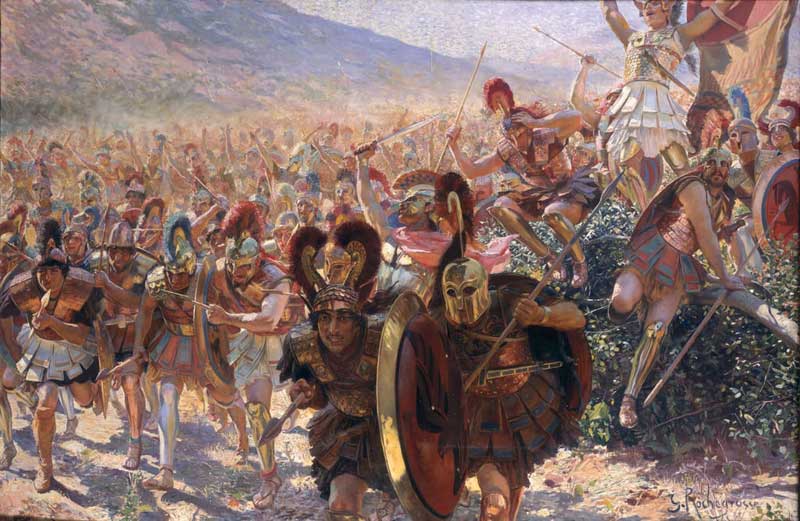
The Battle of Marathon (490 BCE): A Triumph of Strategy and Determination
The Battle of Marathon, fought in 490 BCE between the Athenians and Persians, holds a significant place in history as a testament to strategic brilliance,
The Battle of Marathon, fought in 490 BCE between the Athenians and Persians, holds a significant place in history as a testament to strategic brilliance,
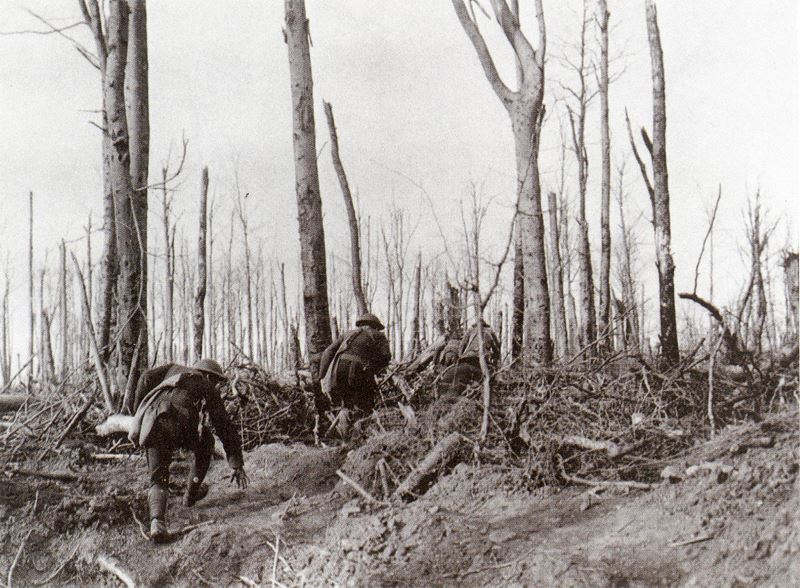
The Meuse–Argonne offensive (also known as the Meuse River–Argonne Forest offensive,[6] the Battles of the Meuse–Argonne, and the Meuse–Argonne campaign) was a major part of

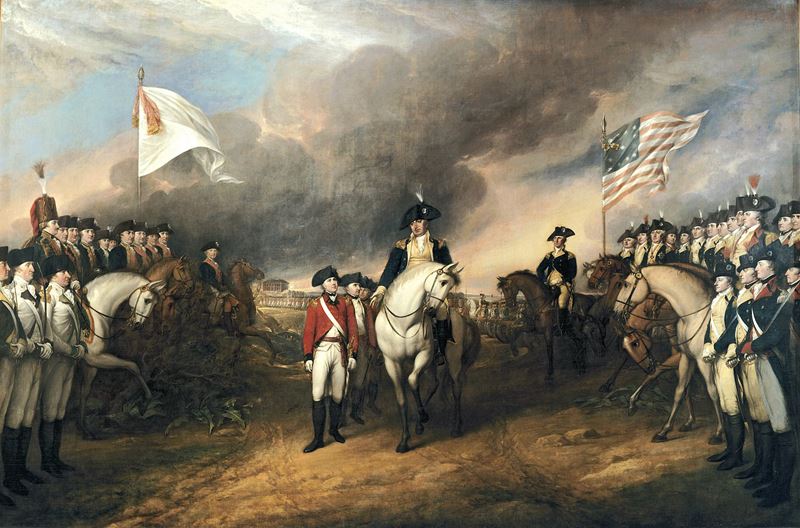
French involvement in the American Revolutionary War of 1775–1783 began in 1776[1] when the Kingdom of France secretly shipped supplies to the Continental Army of

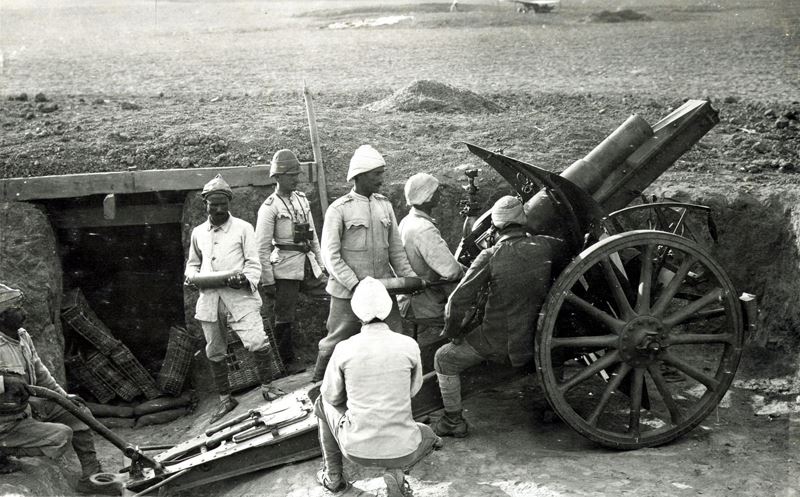
The Sinai and Palestine campaign of the Middle Eastern theatre of World War I was fought by the Arab Revolt and the British Empire, against

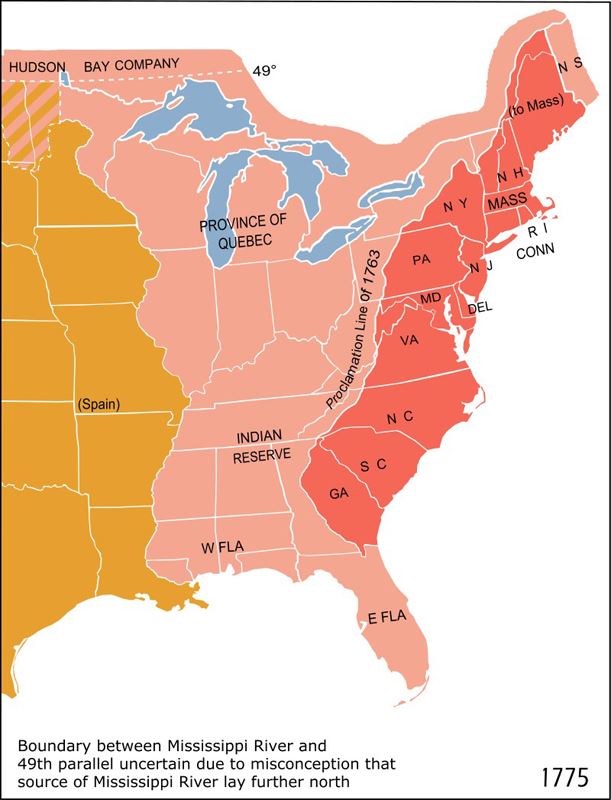
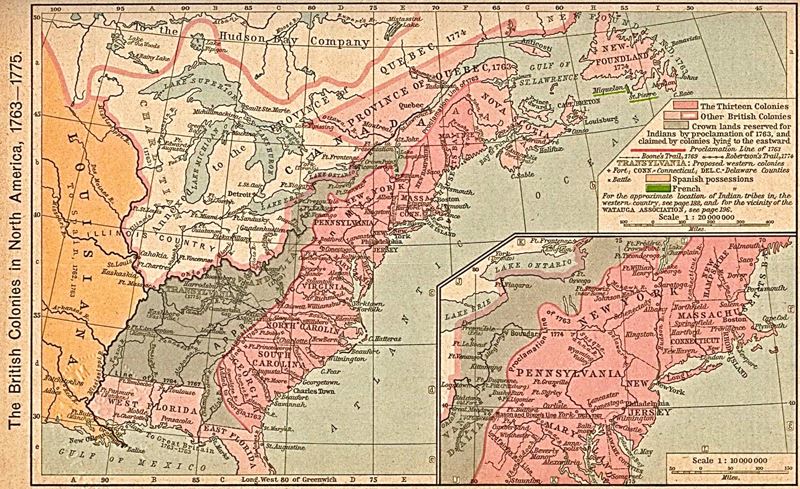
The governments of the Thirteen Colonies of British America developed in the 17th and 18th centuries under the influence of the British constitution. After the

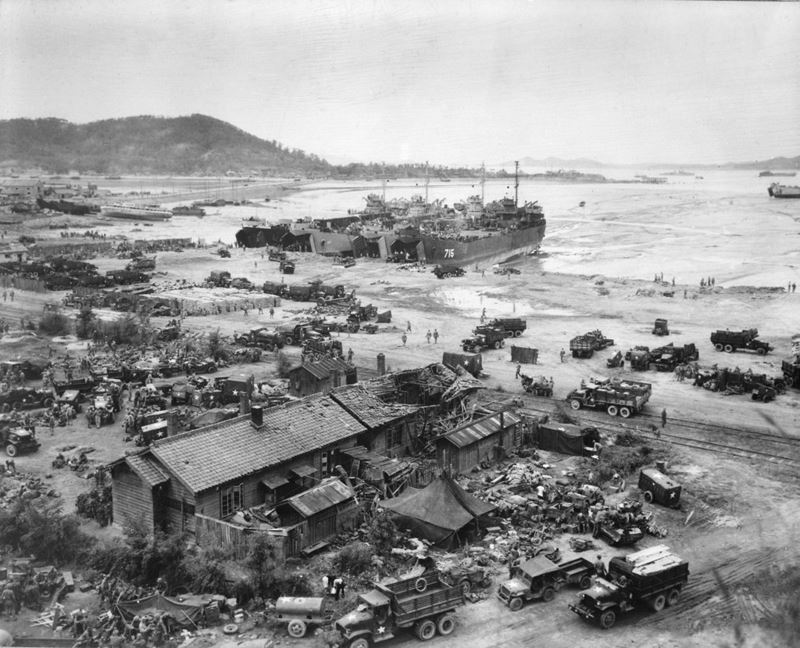
The Battle of Incheon (Korean: 인천상륙작전; Hanja: 仁川上陸作戰; RR: Incheon Sangnyuk Jakjeon), also spelled Battle of Inchon, was an amphibious invasion and a battle of

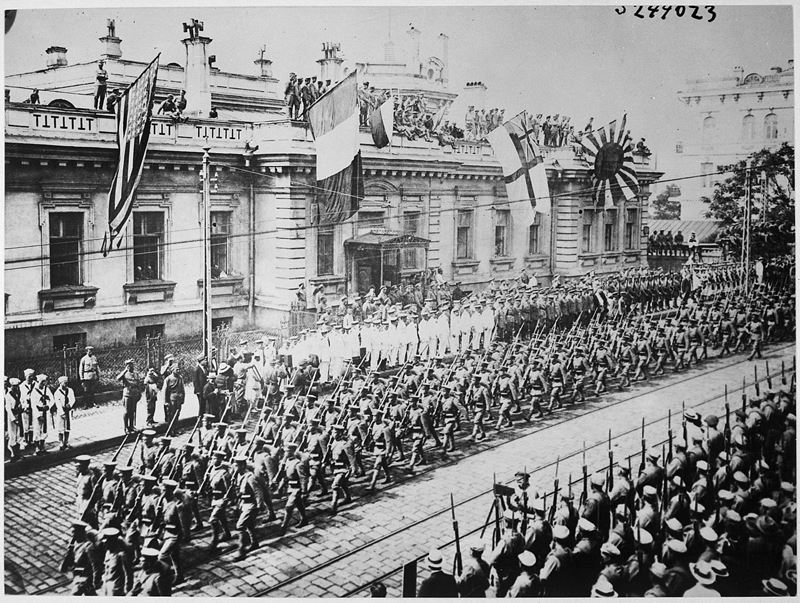
Allied intervention in the Russian Civil War or Allied Powers intervention in the Russian Civil War consisted of a series of multi-national military expeditions which

The Quebec Act 1774 (French: Acte de Québec), or British North America (Quebec) Act 1774,[a] was an Act of the Parliament of Great Britain which