Other Wars
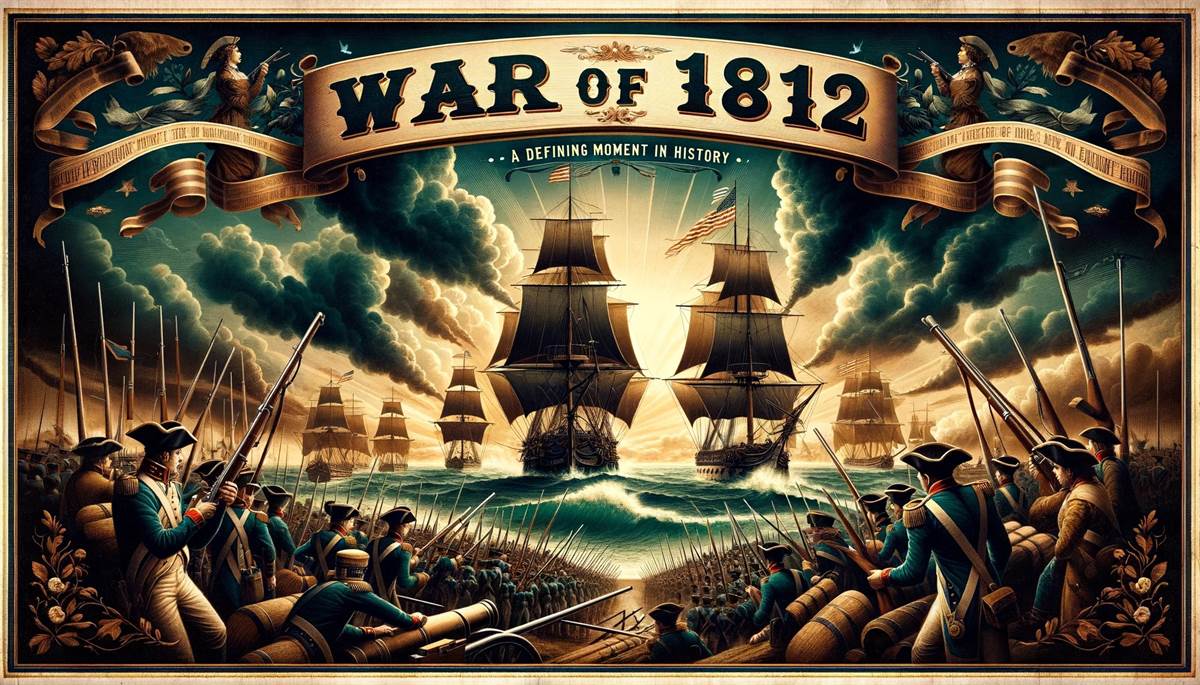
Understanding the War of 1812
Table of Contents Introduction The War of 1812, often overshadowed by the Revolutionary War and the Civil War in American history, remains a significant conflict

Table of Contents Introduction The War of 1812, often overshadowed by the Revolutionary War and the Civil War in American history, remains a significant conflict
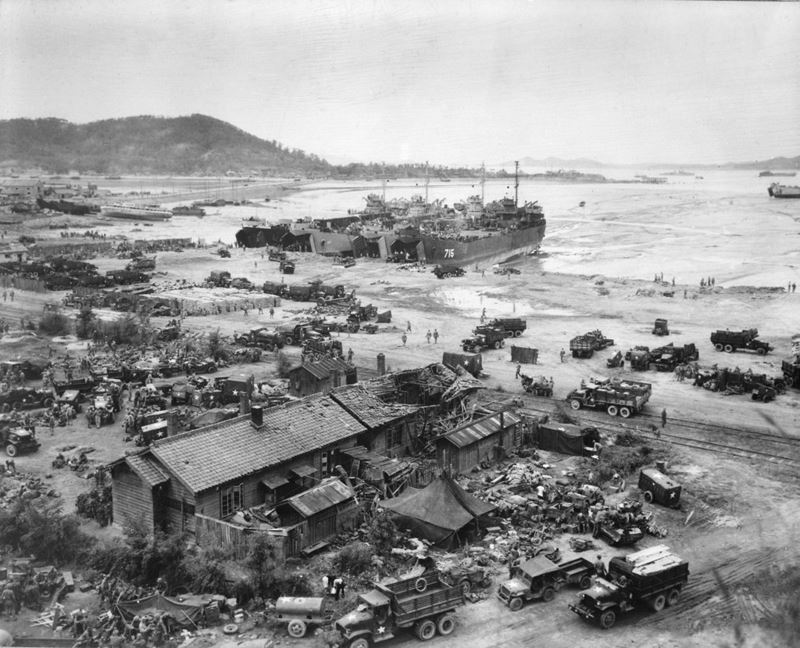
The Battle of Incheon (Korean: 인천상륙작전; Hanja: 仁川上陸作戰; RR: Incheon Sangnyuk Jakjeon), also spelled Battle of Inchon, was an amphibious invasion and a battle of
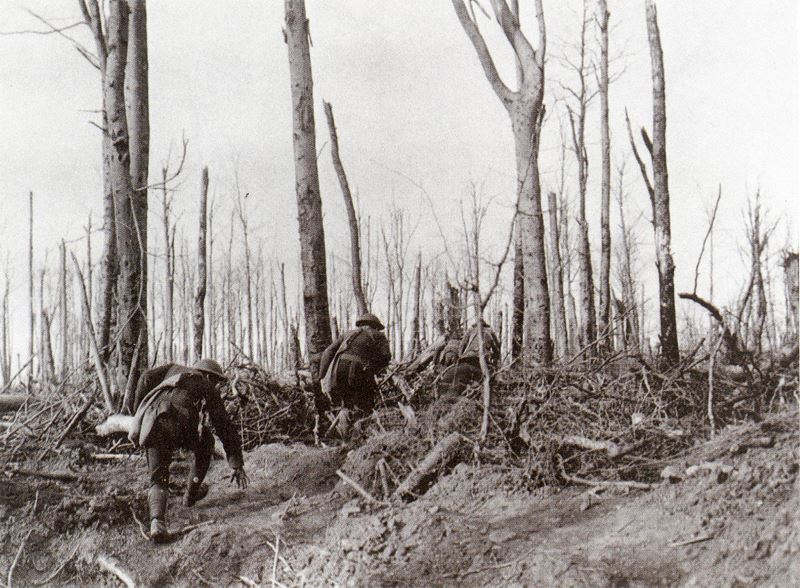
The Meuse–Argonne offensive (also known as the Meuse River–Argonne Forest offensive,[6] the Battles of the Meuse–Argonne, and the Meuse–Argonne campaign) was a major part of
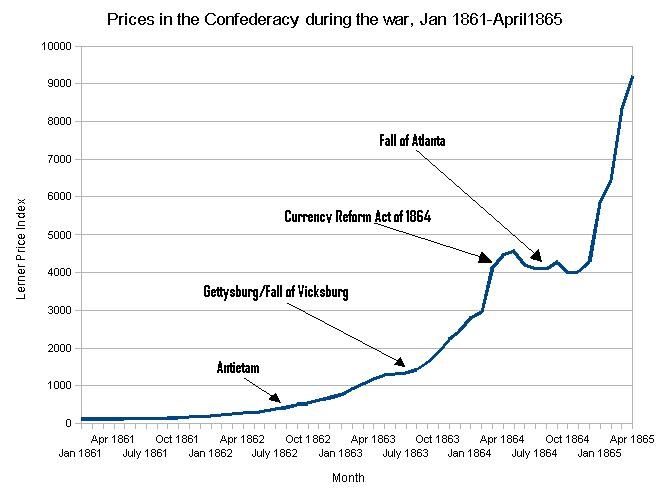
The economic history of the American Civil War concerns the financing of the Union and Confederate war efforts from 1861 to 1865, and the economic
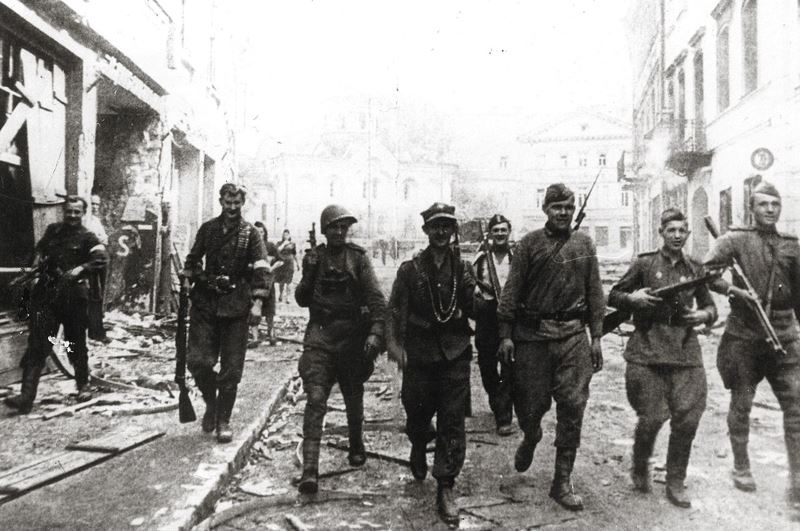
Table of Contents The Eastern Front of World War 2 was a brutal, bloody conflict that claimed the lives of millions of people. Spanning over
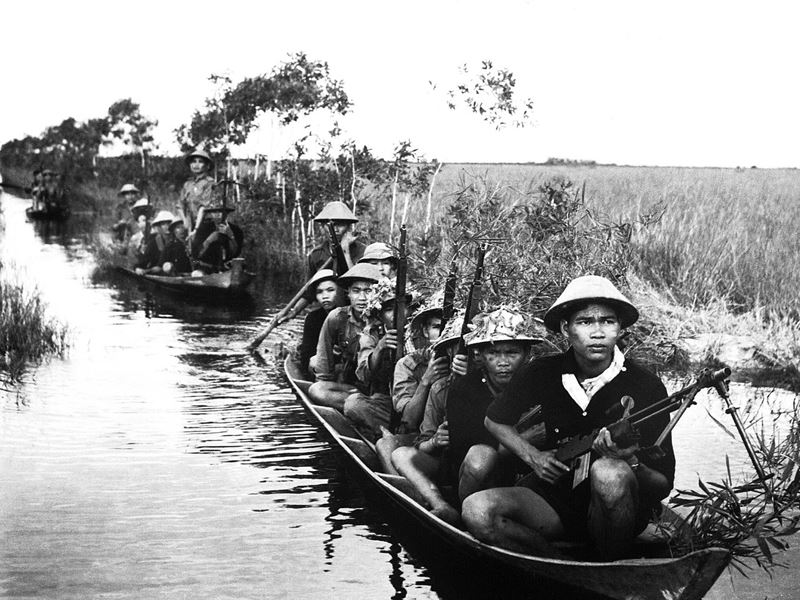
Table of Contents The Viet Cong, also known as the Viet Nam Cong San or English Vietnamese Communists, were a guerrilla group that, with the

Table of Contents The disagreement between the two states over tariffs quickly escalated into the American Civil War. On April 12th, 1861, Confederate forces bombarded
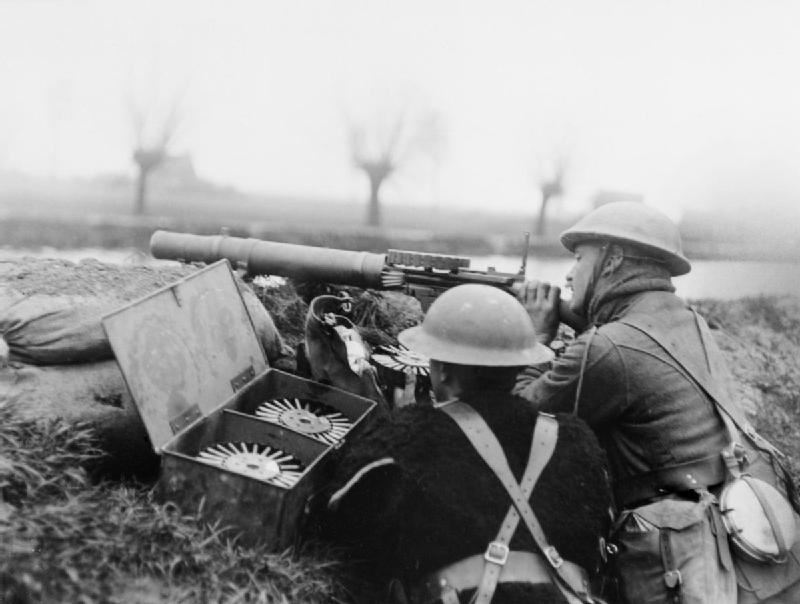
The German spring offensive, or Kaiserschlacht (“Kaiser’s Battle”), also known as the Ludendorff offensive, was a series of German attacks along the Western Front during