World War 2
Eastern Front World War II
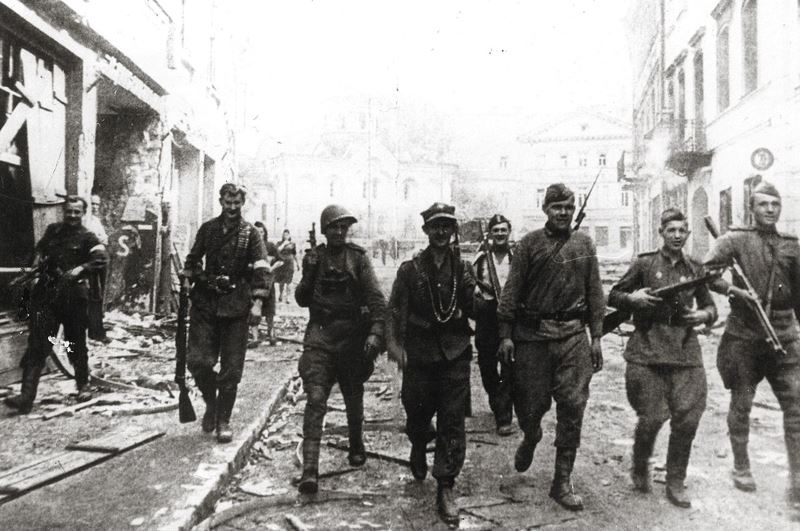
Table of Contents The Eastern Front of World War 2 was a brutal, bloody conflict that claimed the lives of millions of people. Spanning over
Table of Contents The Eastern Front of World War 2 was a brutal, bloody conflict that claimed the lives of millions of people. Spanning over
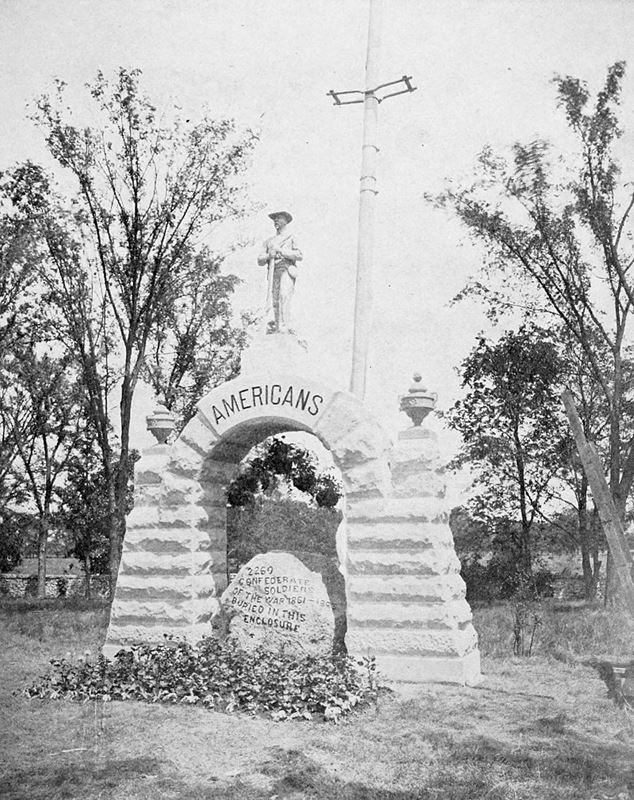
Between 1861 and 1865, American Civil War prison camps were operated by the Union and the Confederacy to detain over 400,000 captured soldiers. From the
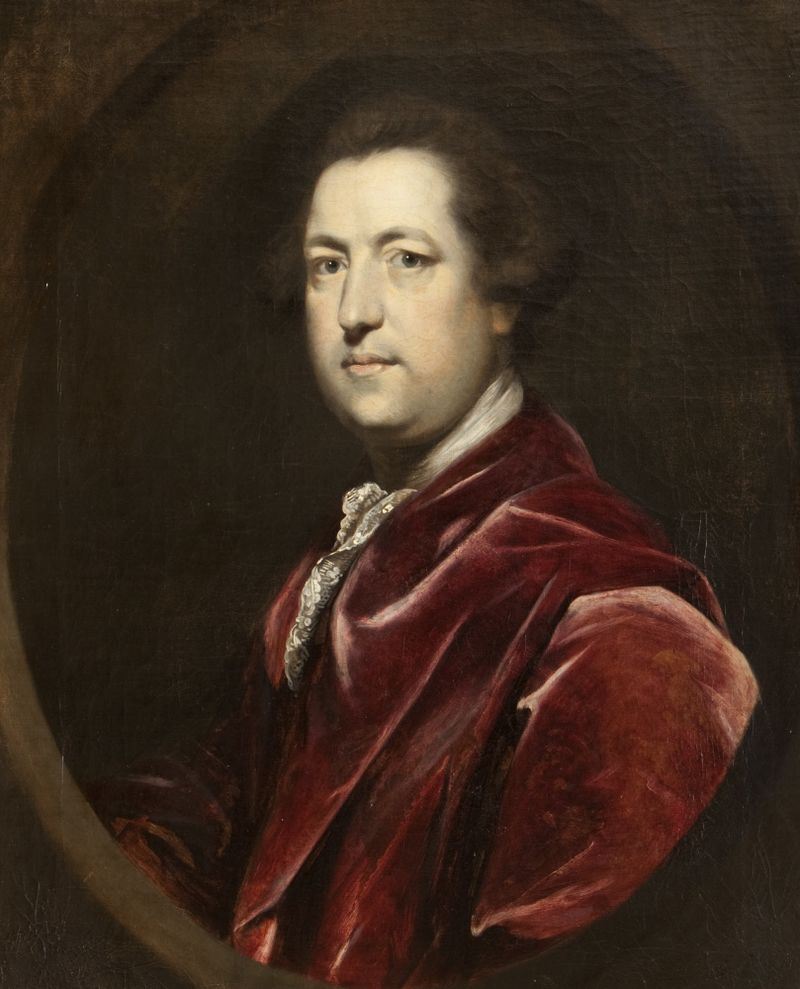
The Townshend Acts met stiff resistance in the colonies, and public opposition to them was widely debated in colonial newspapers. Opponents of the Acts gradually
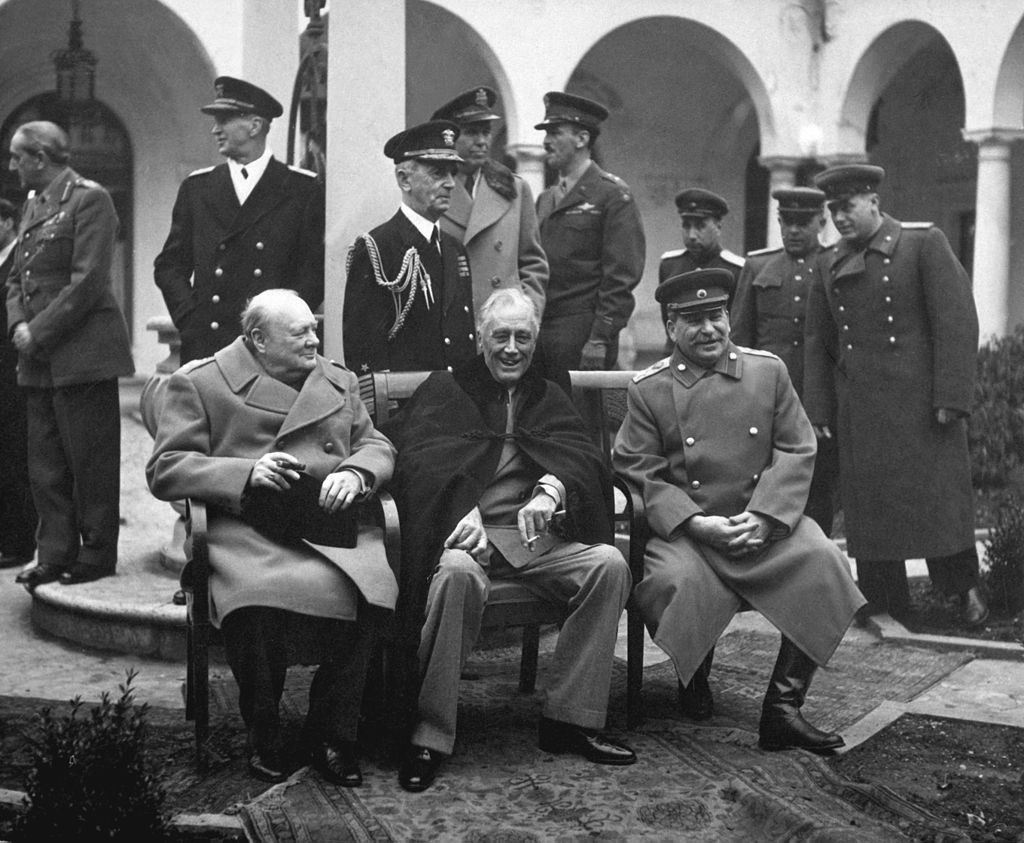
Germany and the Soviet Union were sworn enemies, but following the Munich Agreement, which effectively handed over Czechoslovakia (a French and Soviet ally, and the
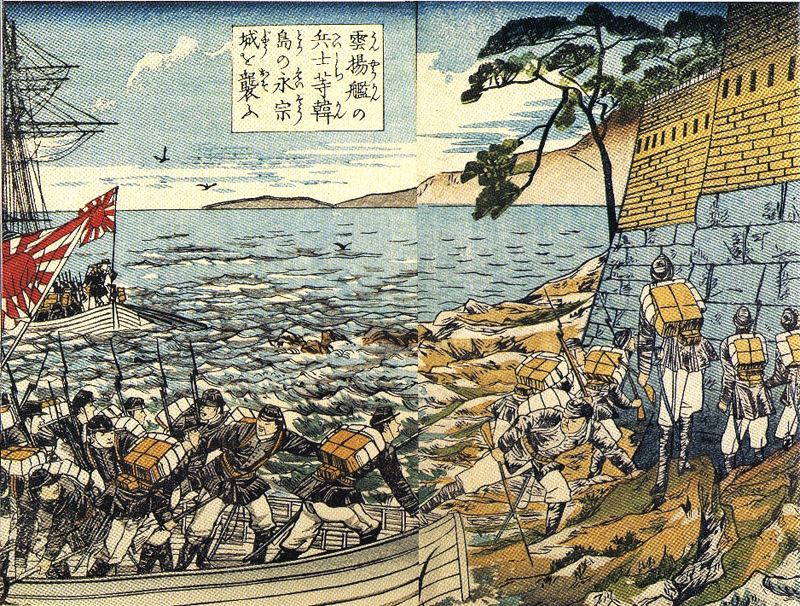
Imperial Japan severely diminished the influence of China over Korea in the First Sino-Japanese War (1894–95), ushering in the short-lived Korean Empire.[72] A decade later,
“No taxation without representation” is a political slogan that originated in the American Revolution, and which expressed one of the primary grievances of the American
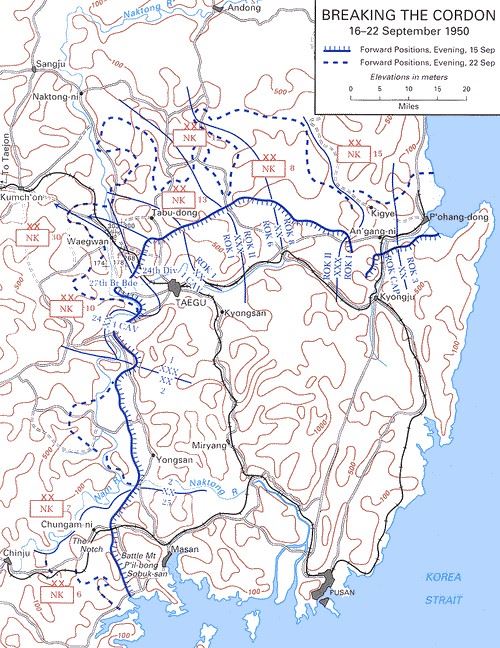
The Pusan Perimeter offensive was a large-scale offensive by United Nations Command (UN) forces against North Korean forces commencing on 16 September 1950. UN forces,
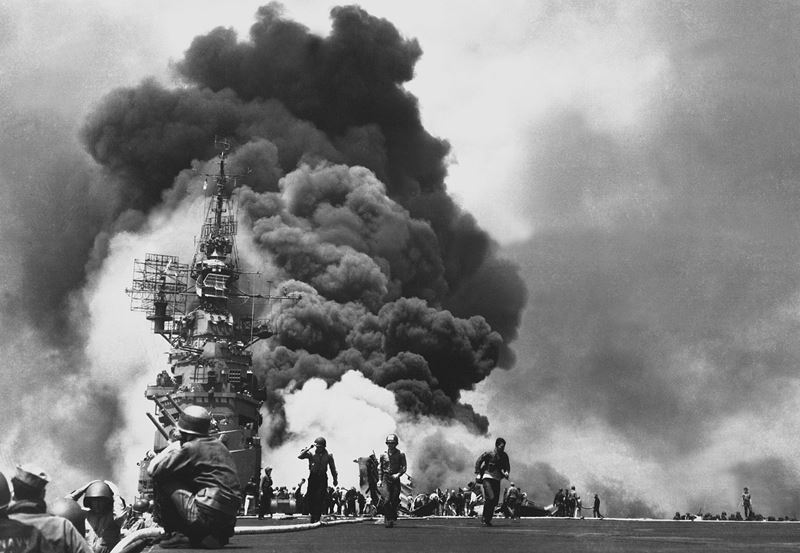
Table of Contents WWII brought a lot of firsts, with the Pacific War being a prime example. This was the first major battle that took