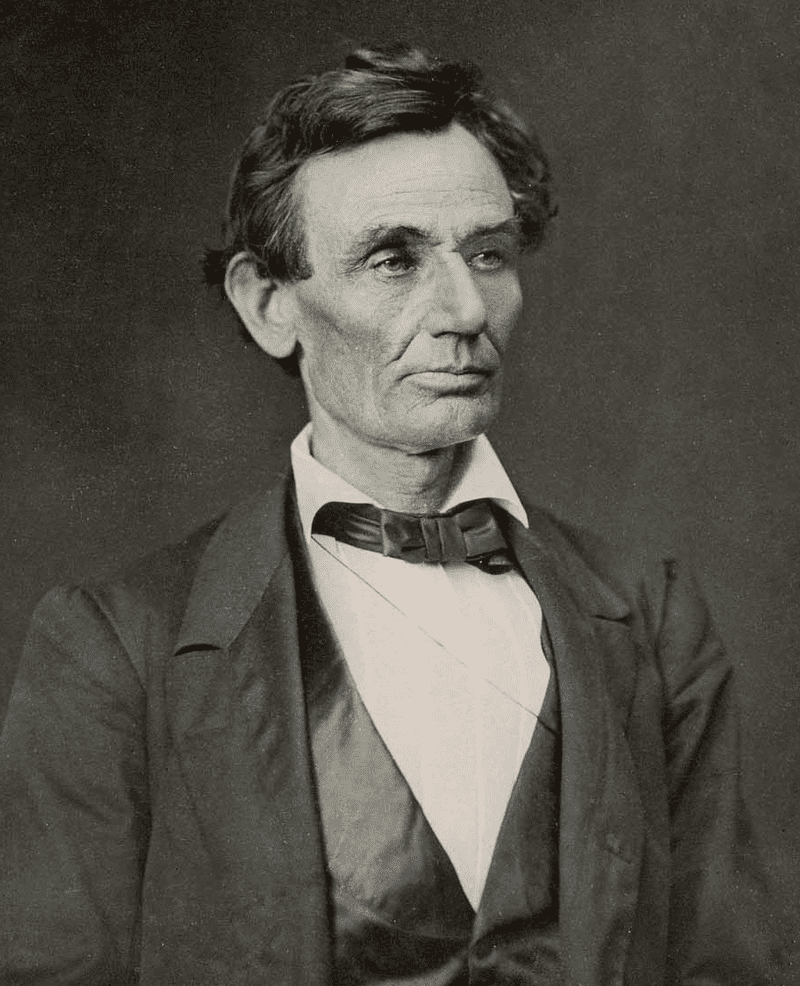
American Civil War
1860 United States presidential election
The election of Abraham Lincoln in November 1860 was the final trigger for secession.[109] Southern leaders feared that Lincoln would stop the expansion of slavery

The election of Abraham Lincoln in November 1860 was the final trigger for secession.[109] Southern leaders feared that Lincoln would stop the expansion of slavery
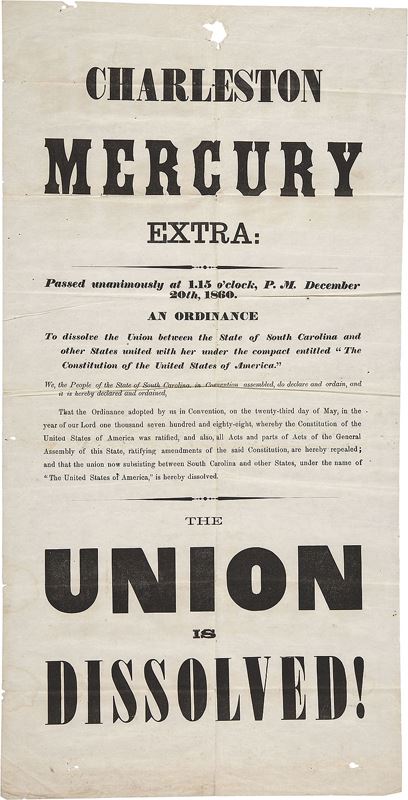
The election of Lincoln provoked the legislature of South Carolina to call a state convention to consider secession. Before the war, South Carolina did more

The Iron Curtain is a term describing the political boundary dividing Europe into two separate areas from the end of World War II in 1945
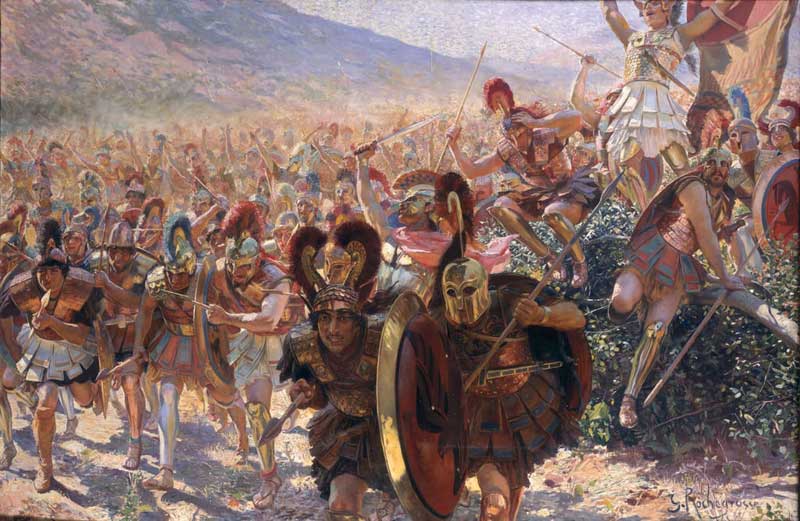
The Battle of Marathon, fought in 490 BCE between the Athenians and Persians, holds a significant place in history as a testament to strategic brilliance,
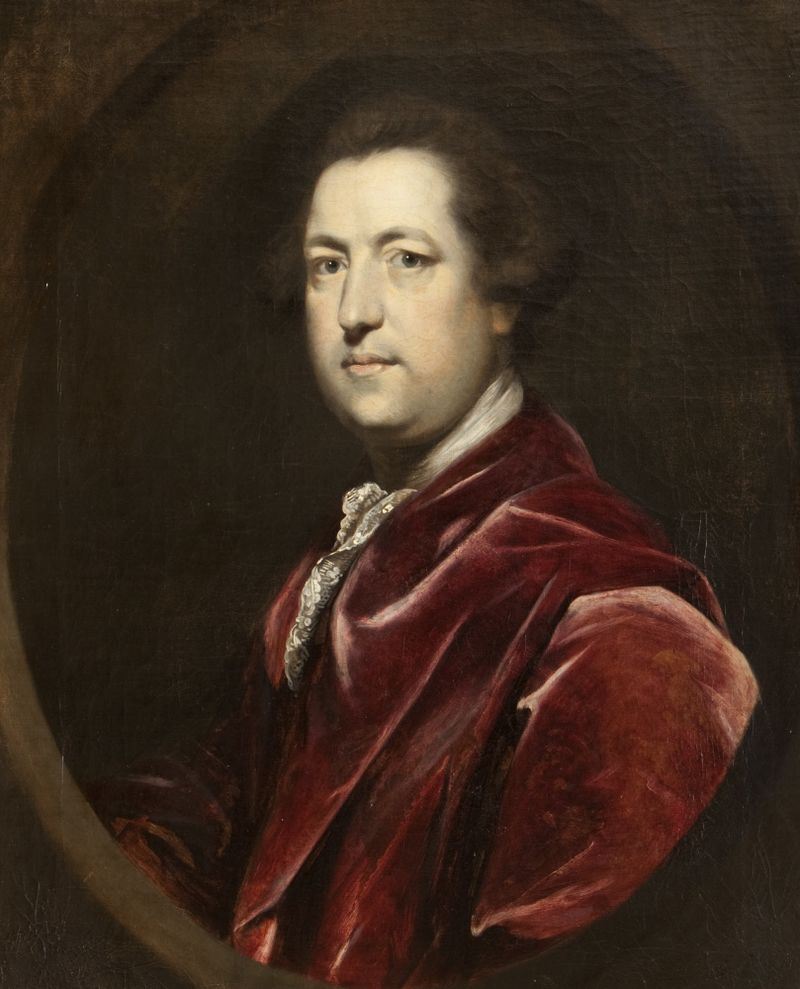
The Townshend Acts met stiff resistance in the colonies, and public opposition to them was widely debated in colonial newspapers. Opponents of the Acts gradually
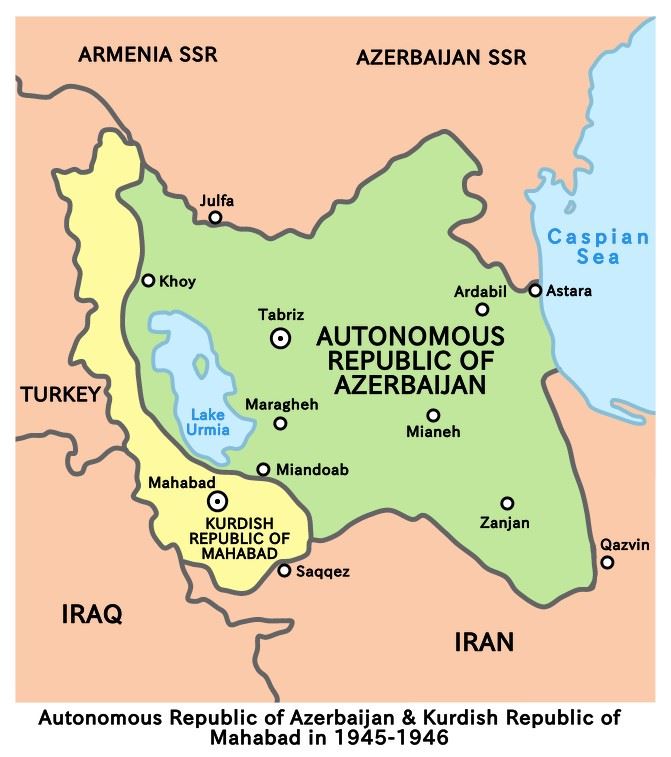
The Iran crisis of 1946, also known as the Azerbaijan Crisis (Persian: غائله آذربایجان, romanized: Qaʾilih Âzarbâyjân) in the Iranian sources, was one of the
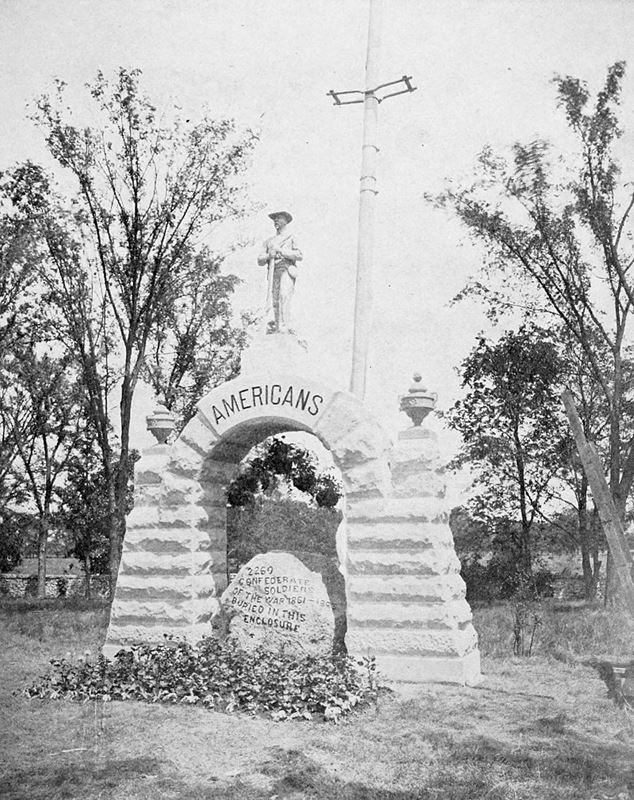
Between 1861 and 1865, American Civil War prison camps were operated by the Union and the Confederacy to detain over 400,000 captured soldiers. From the
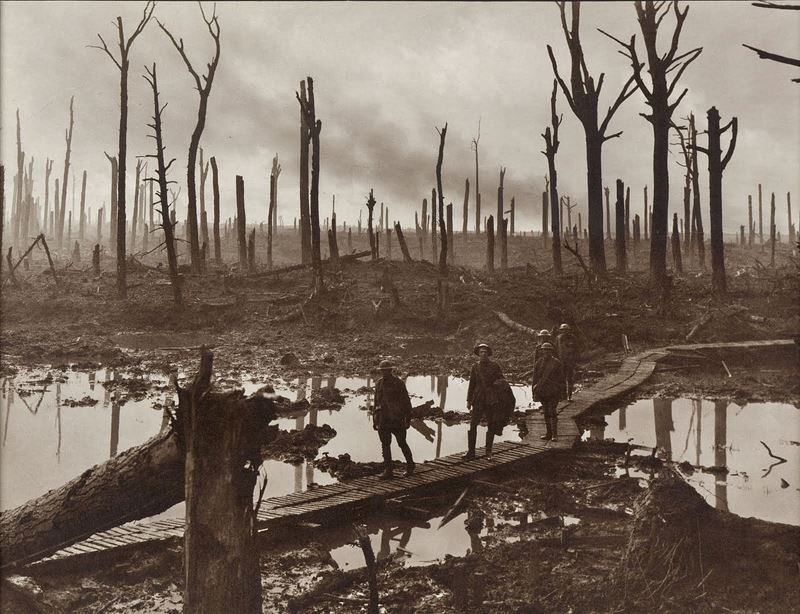
The Third Battle of Ypres (German: Dritte Flandernschlacht; French: Troisième Bataille des Flandres; Dutch: Derde Slag om Ieper), also known as the Battle of Passchendaele