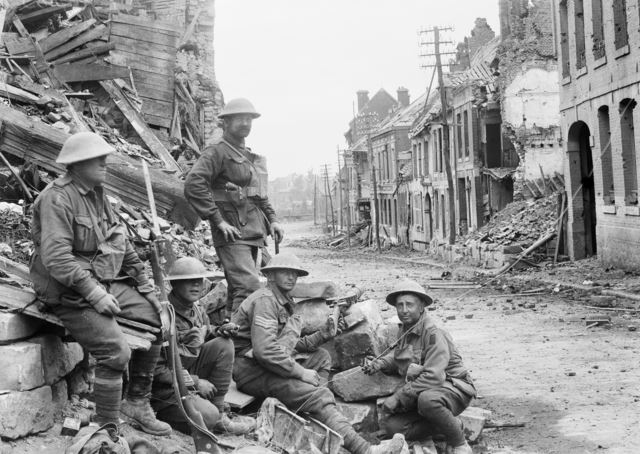
World War 1
Hundred Days Offensive
The Hundred Days Offensive (8 August to 11 November 1918) was a series of massive Allied offensives which ended the First World War. Beginning with

The Hundred Days Offensive (8 August to 11 November 1918) was a series of massive Allied offensives which ended the First World War. Beginning with
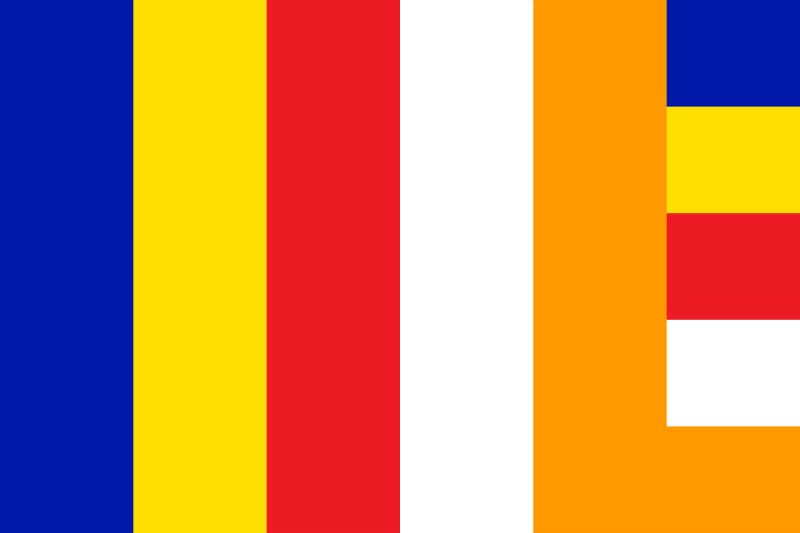
In South Vietnam, a country where the Buddhist majority was estimated to comprise between 70 and 90 percent of the population in 1963,[2][3][4][5][6] President Ngô
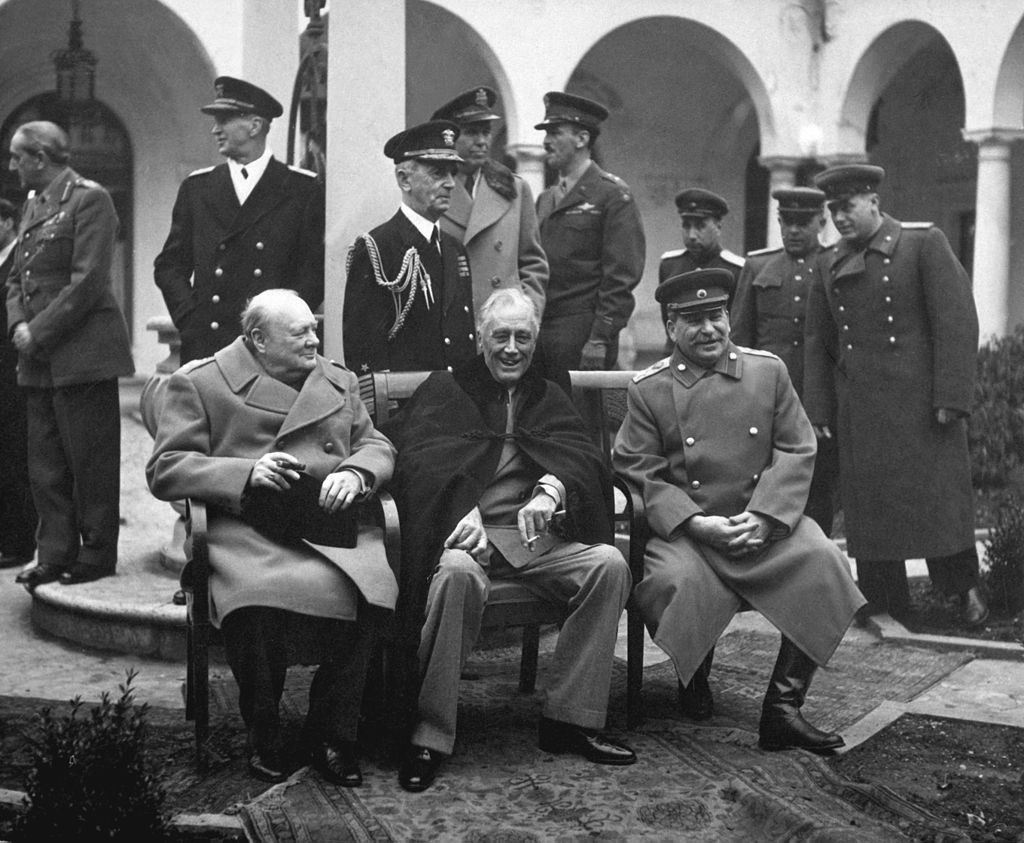
Germany and the Soviet Union were sworn enemies, but following the Munich Agreement, which effectively handed over Czechoslovakia (a French and Soviet ally, and the
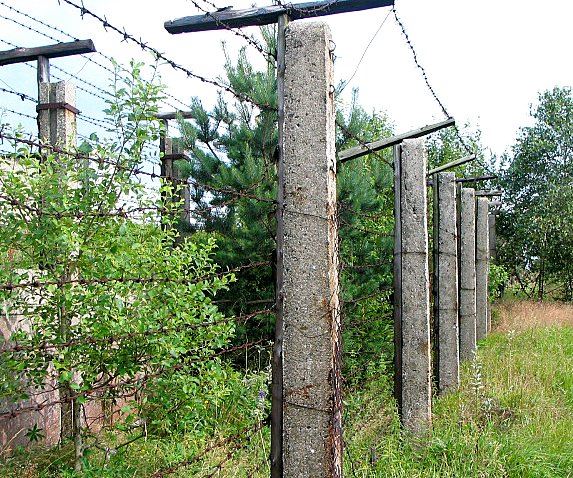
The Iron Curtain is a term describing the political boundary dividing Europe into two separate areas from the end of World War II in 1945
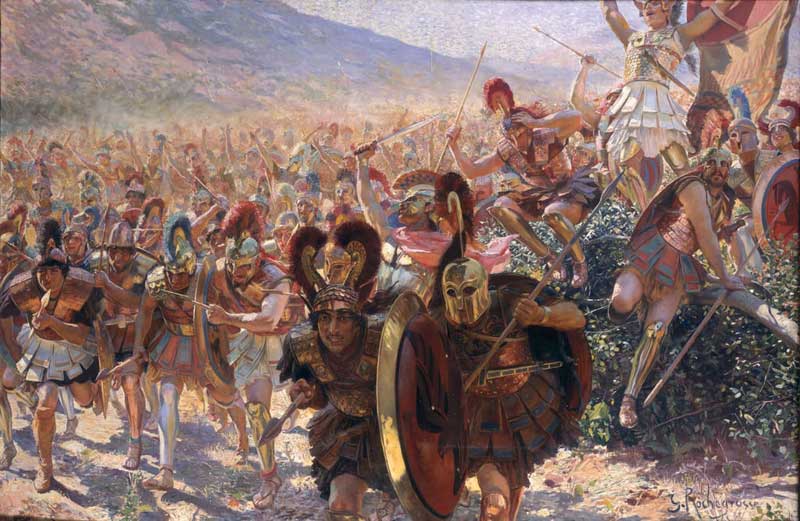
The Battle of Marathon, fought in 490 BCE between the Athenians and Persians, holds a significant place in history as a testament to strategic brilliance,
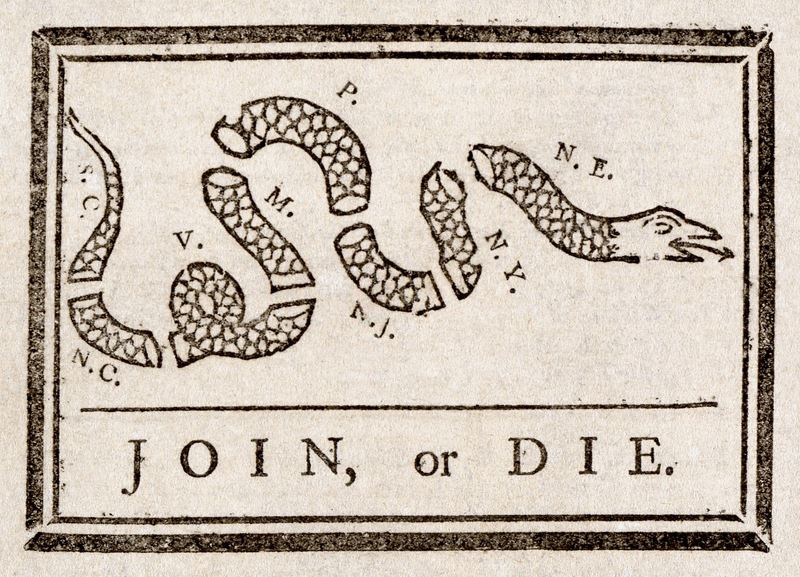
In the United States, each state has its own written constitution. They are much longer than the United States Constitution, which only contains 4,543 words.
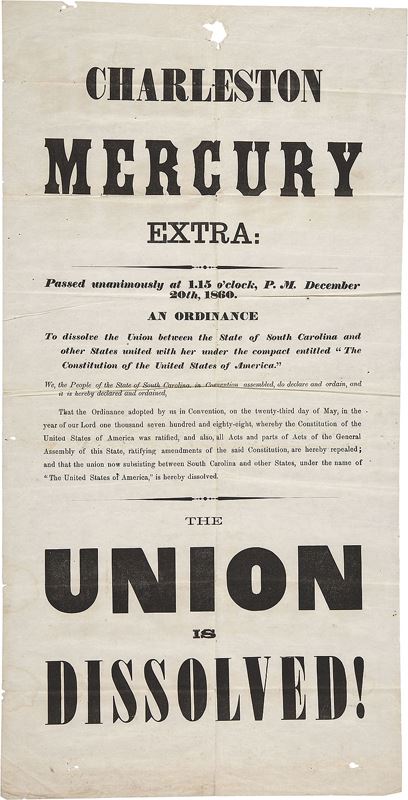
The election of Lincoln provoked the legislature of South Carolina to call a state convention to consider secession. Before the war, South Carolina did more
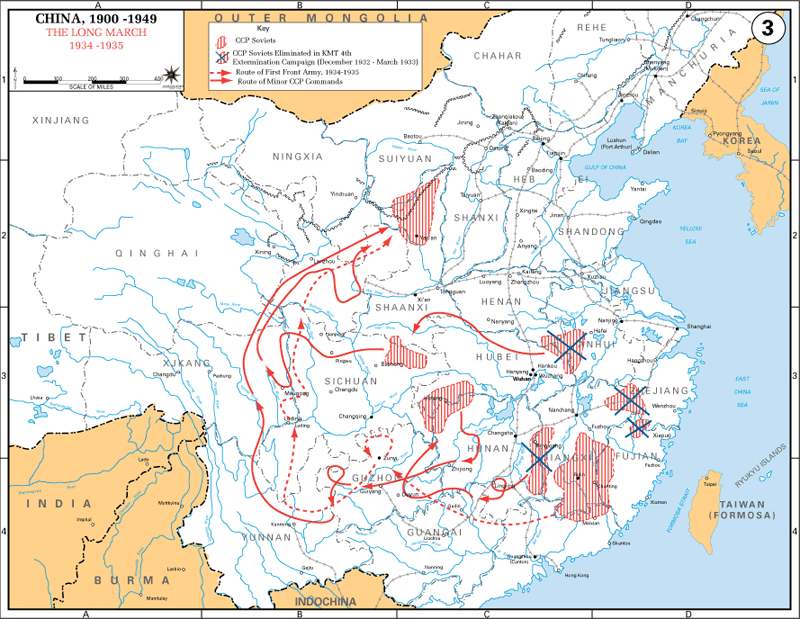
The Chinese Civil War was fought between the Kuomintang-led government of the Republic of China and forces of the Chinese Communist Party, continuing intermittently since