Other Wars
Understanding the War of 1812
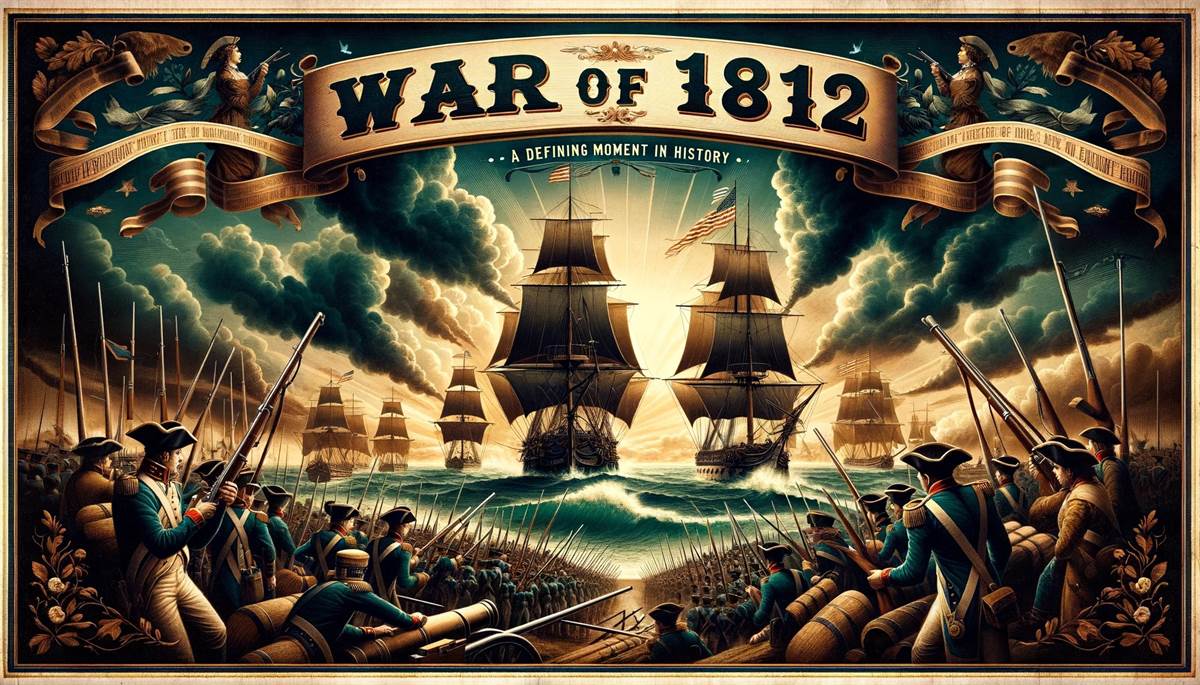
Table of Contents Introduction The War of 1812, often overshadowed by the Revolutionary War and the Civil War in American history, remains a significant conflict

Table of Contents Introduction The War of 1812, often overshadowed by the Revolutionary War and the Civil War in American history, remains a significant conflict
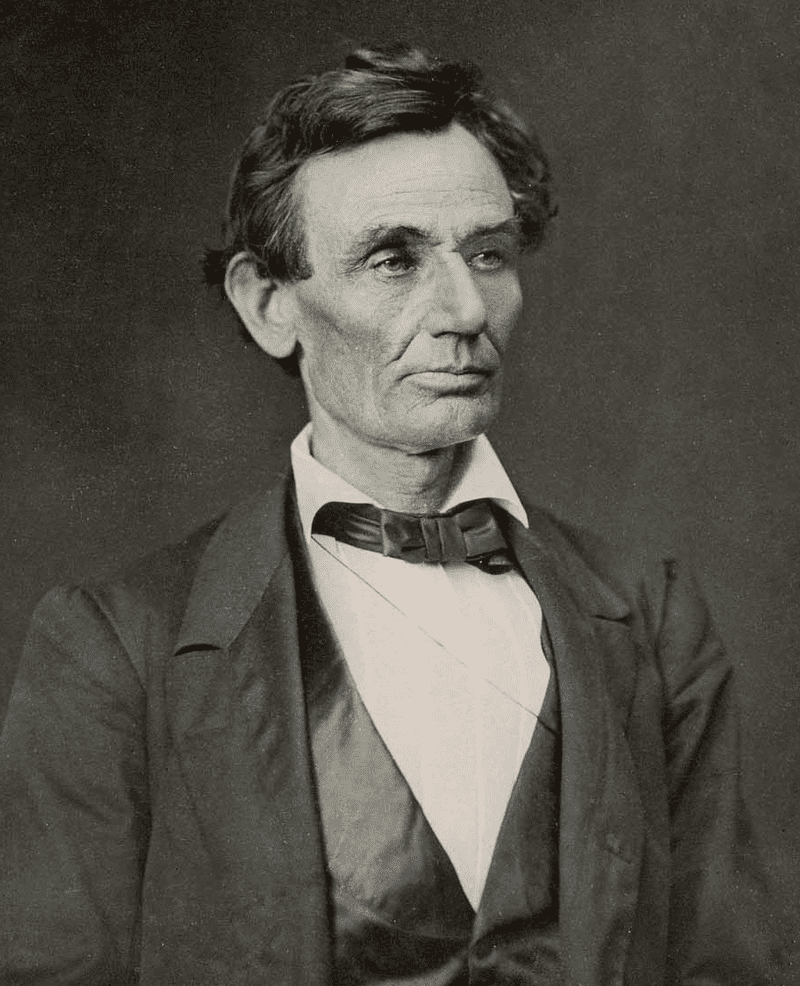
The election of Abraham Lincoln in November 1860 was the final trigger for secession.[109] Southern leaders feared that Lincoln would stop the expansion of slavery
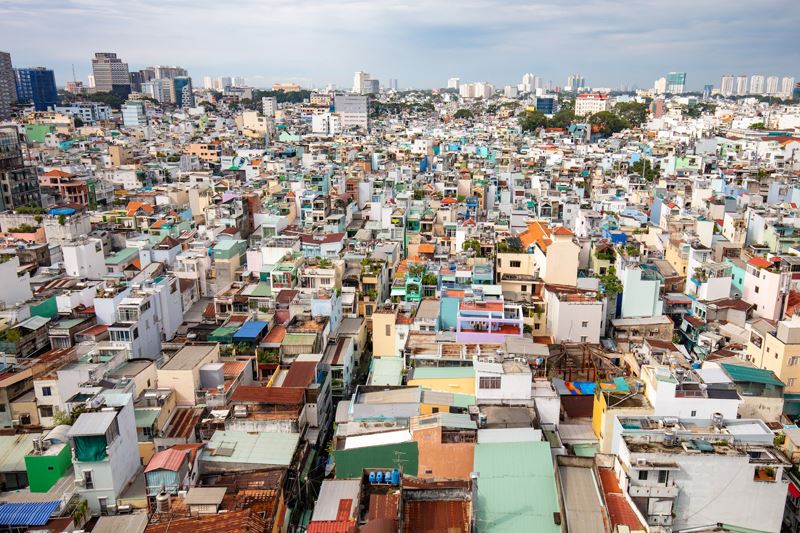
The final battle between Diệm’s VNA and the Bình Xuyên began on April 28 at mid-day.[1] After initial small-arms fire and mortar exchanges, the VNA
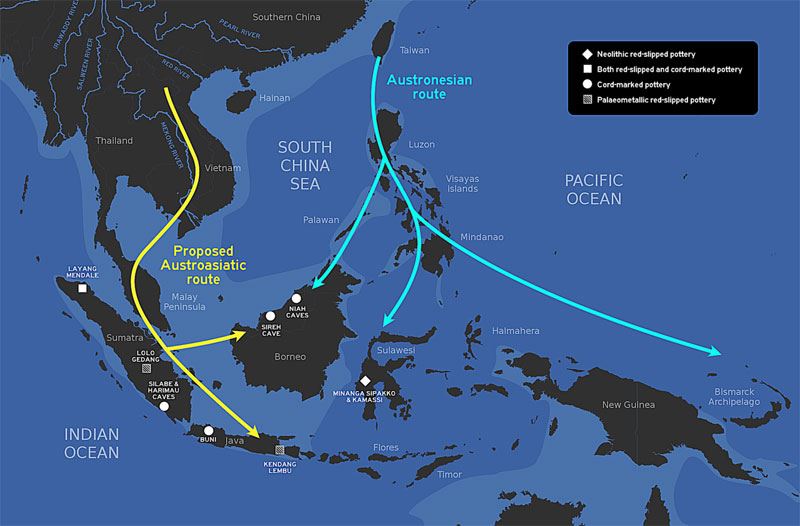
The history of Vietnam can be traced back to around 20,000 years ago, as the first modern humans arrived and settled on this land, known
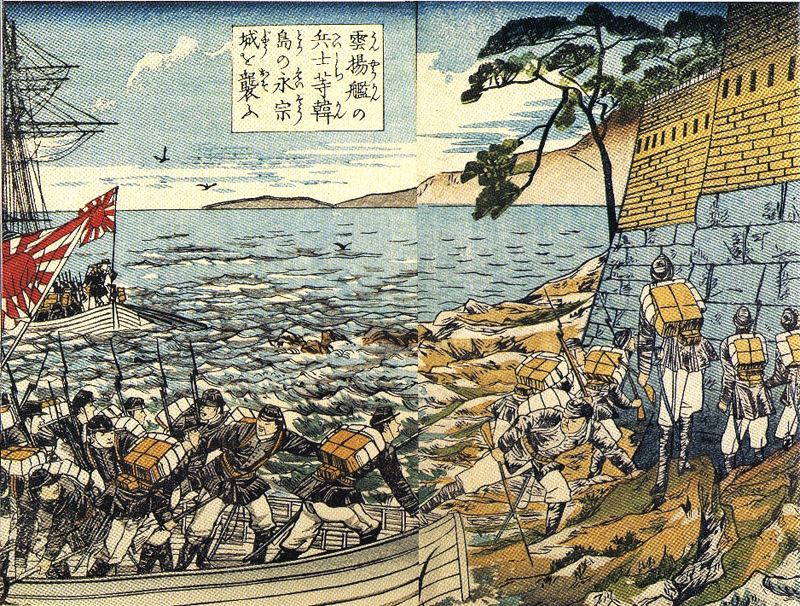
Imperial Japan severely diminished the influence of China over Korea in the First Sino-Japanese War (1894–95), ushering in the short-lived Korean Empire.[72] A decade later,
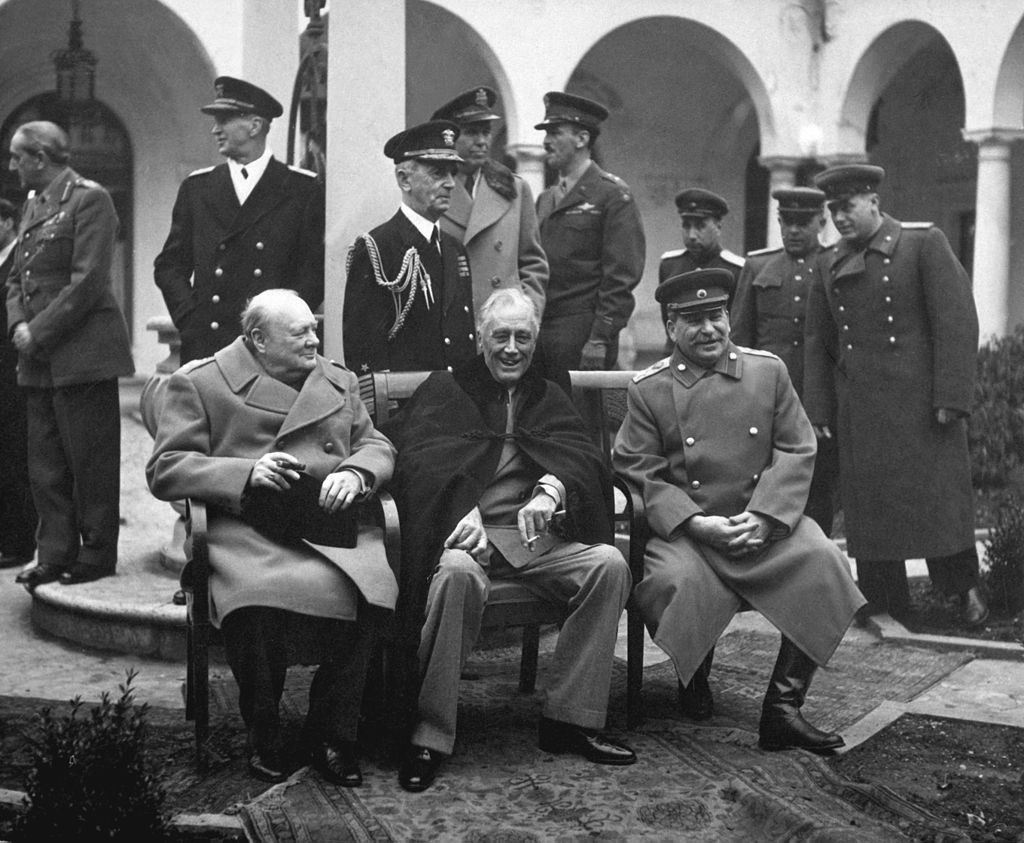
Germany and the Soviet Union were sworn enemies, but following the Munich Agreement, which effectively handed over Czechoslovakia (a French and Soviet ally, and the
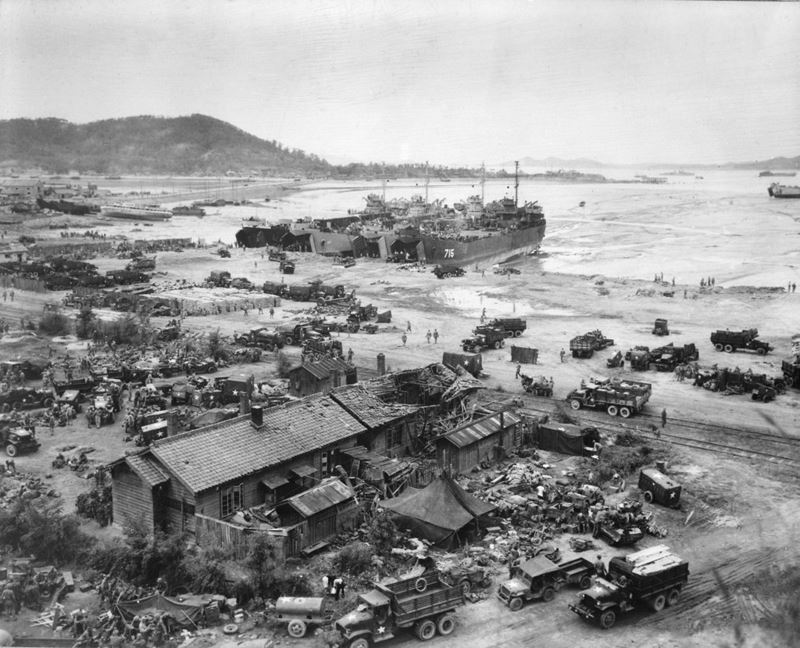
The Battle of Incheon (Korean: 인천상륙작전; Hanja: 仁川上陸作戰; RR: Incheon Sangnyuk Jakjeon), also spelled Battle of Inchon, was an amphibious invasion and a battle of
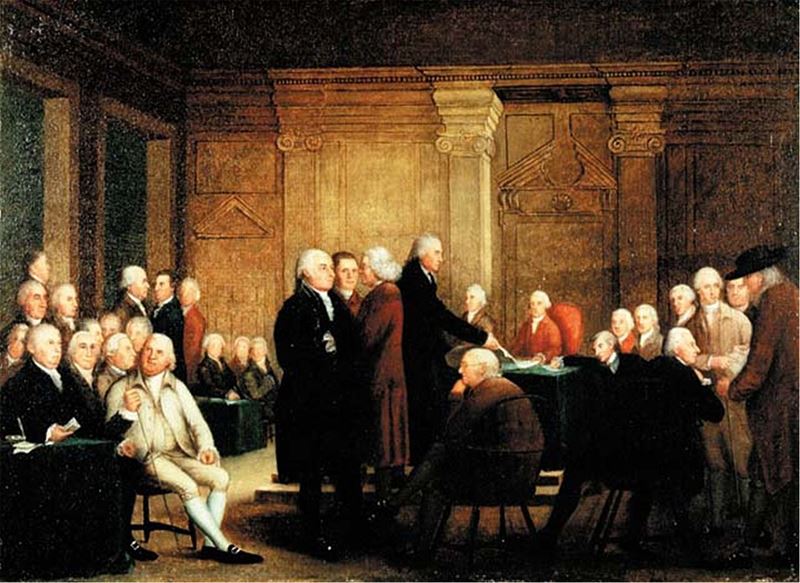
The Second Continental Congress was a late-18th-century meeting of delegates from the Thirteen Colonies that united in support of the American Revolutionary War. The Congress