World War 1
Meuse-Argonne Offensive
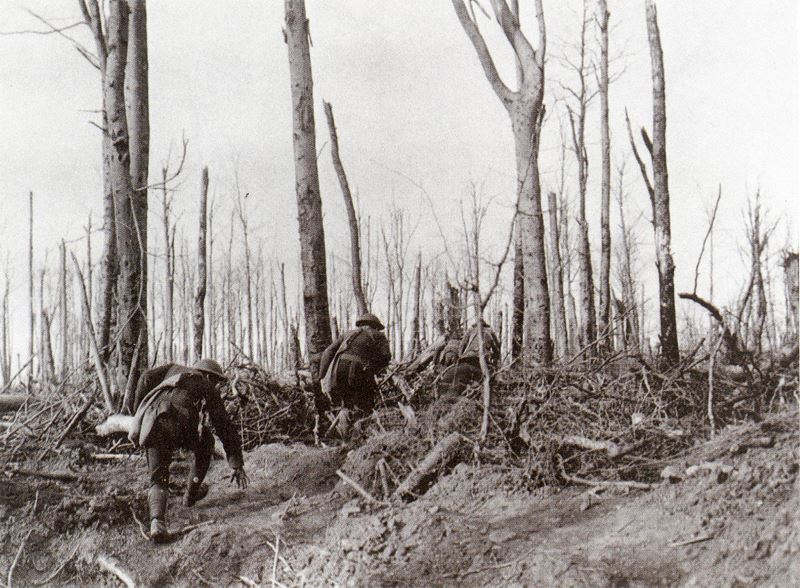
The Meuse–Argonne offensive (also known as the Meuse River–Argonne Forest offensive,[6] the Battles of the Meuse–Argonne, and the Meuse–Argonne campaign) was a major part of

The Meuse–Argonne offensive (also known as the Meuse River–Argonne Forest offensive,[6] the Battles of the Meuse–Argonne, and the Meuse–Argonne campaign) was a major part of
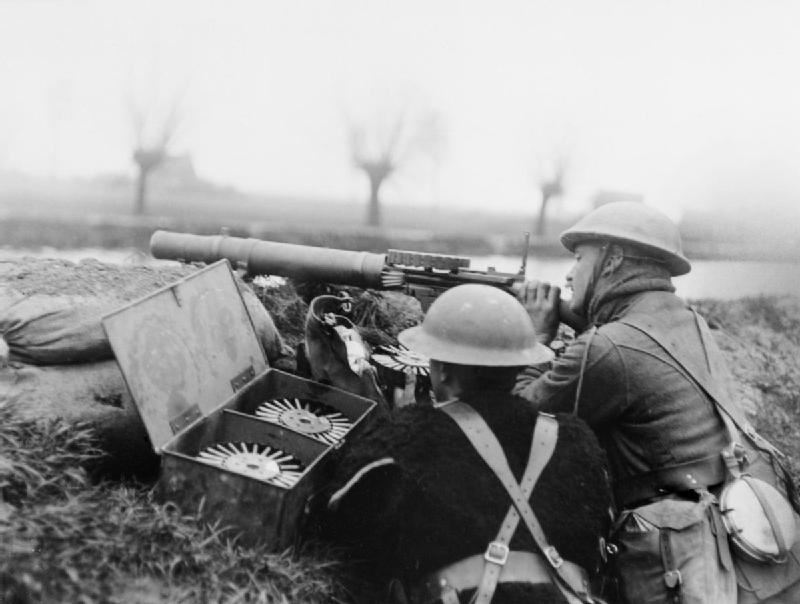
The German spring offensive, or Kaiserschlacht (“Kaiser’s Battle”), also known as the Ludendorff offensive, was a series of German attacks along the Western Front during
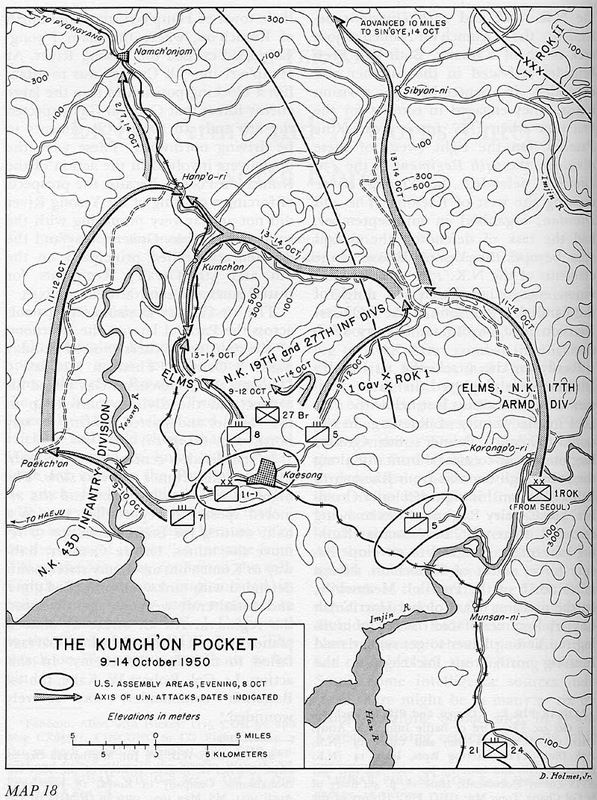
The UN offensive into North Korea was a large-scale offensive in late 1950 by United Nations (UN) forces against North Korean forces. On 27 September
“No taxation without representation” is a political slogan that originated in the American Revolution, and which expressed one of the primary grievances of the American
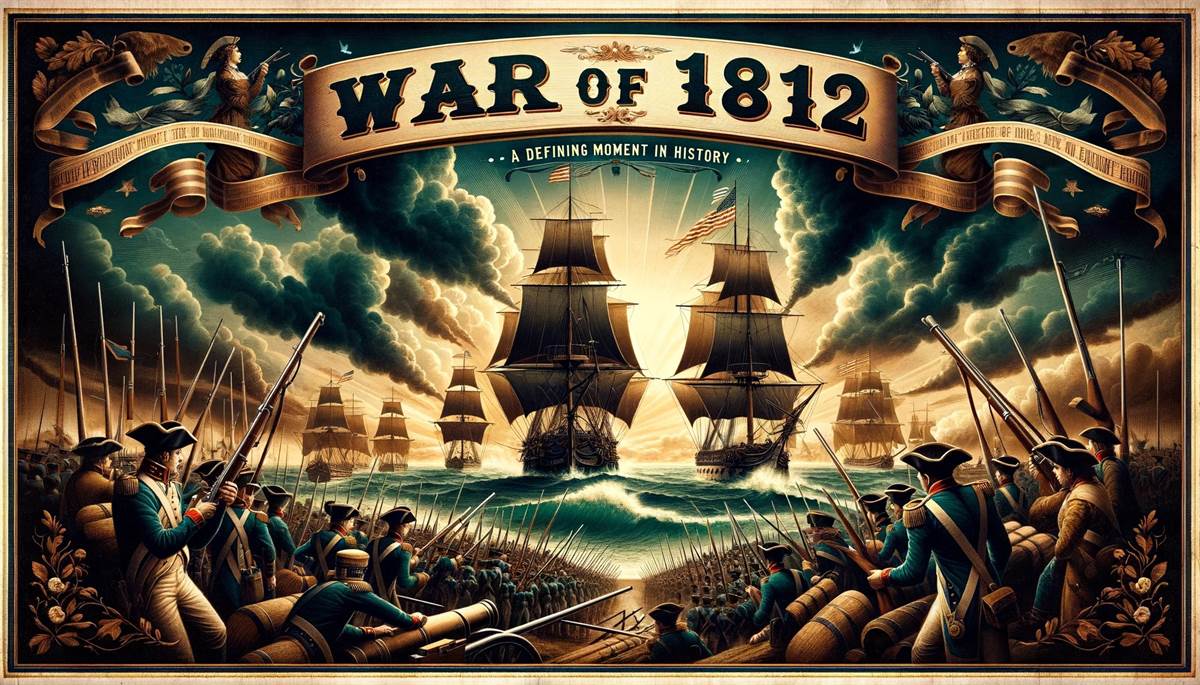
Table of Contents Introduction The War of 1812, often overshadowed by the Revolutionary War and the Civil War in American history, remains a significant conflict
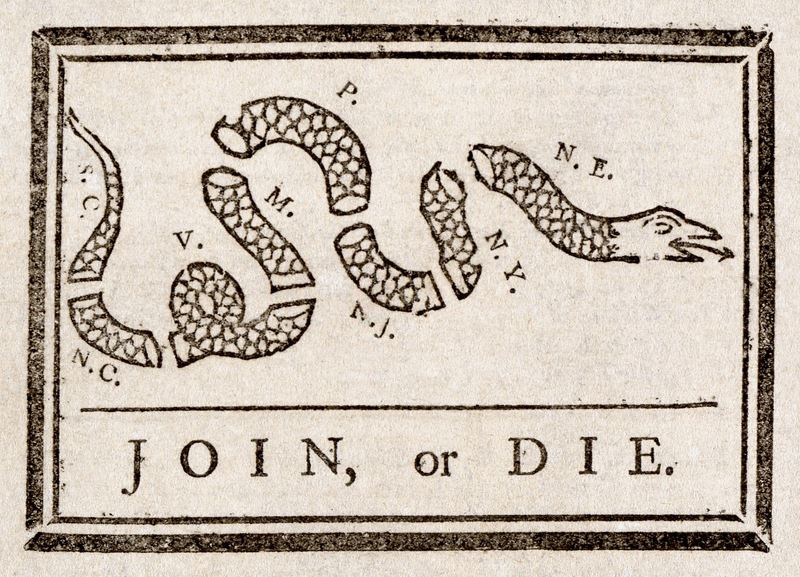
In the United States, each state has its own written constitution. They are much longer than the United States Constitution, which only contains 4,543 words.
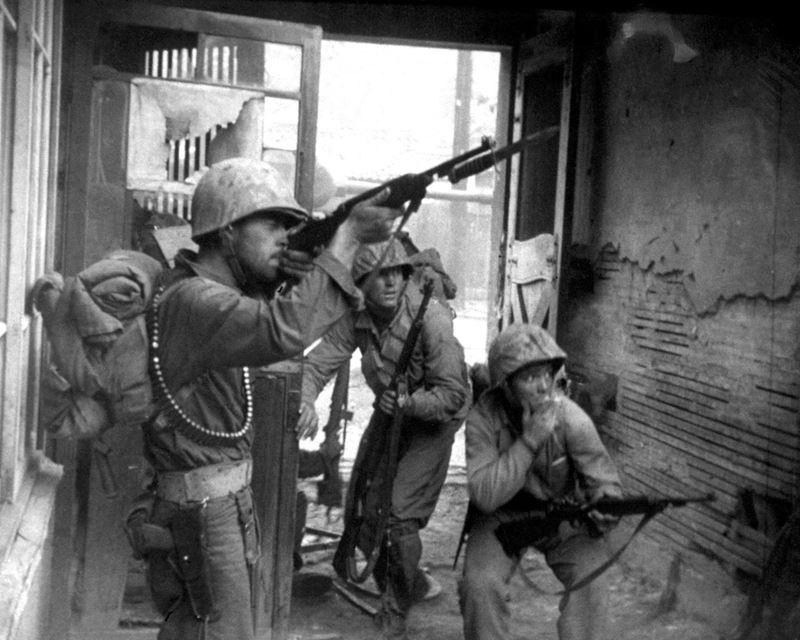
The X Corps entered Seoul the morning of September 25th. By mid-afternoon, elements of the 7th Infantry Division crossed the Han River and captured Namsan
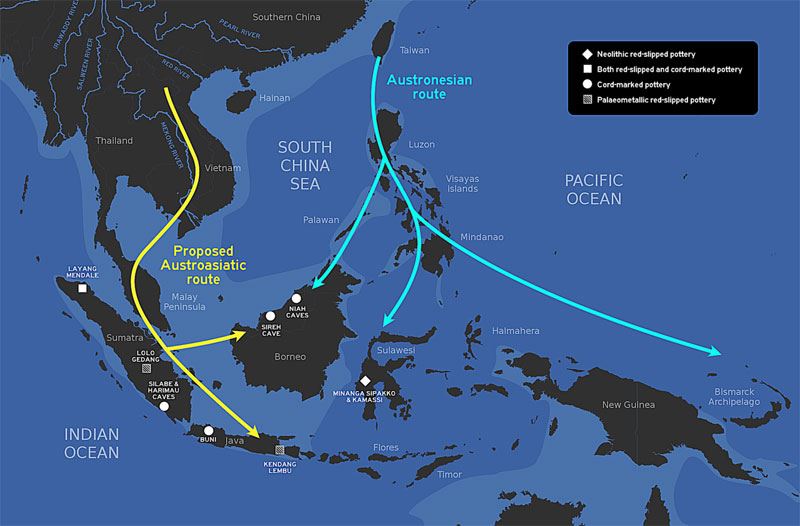
The history of Vietnam can be traced back to around 20,000 years ago, as the first modern humans arrived and settled on this land, known