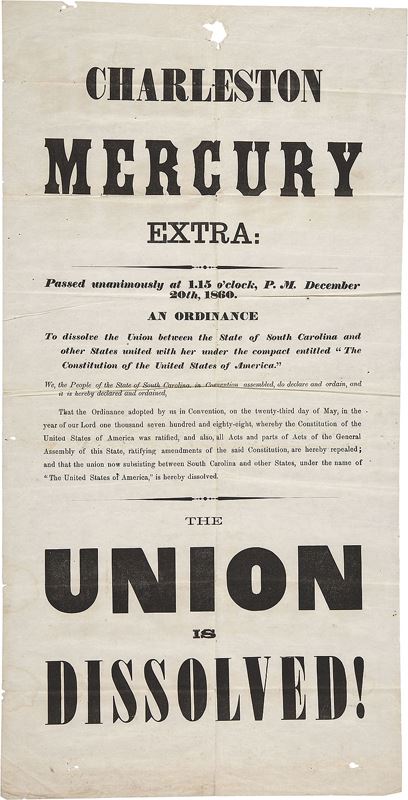
American Civil War
Outbreak of the war
The election of Lincoln provoked the legislature of South Carolina to call a state convention to consider secession. Before the war, South Carolina did more

The election of Lincoln provoked the legislature of South Carolina to call a state convention to consider secession. Before the war, South Carolina did more
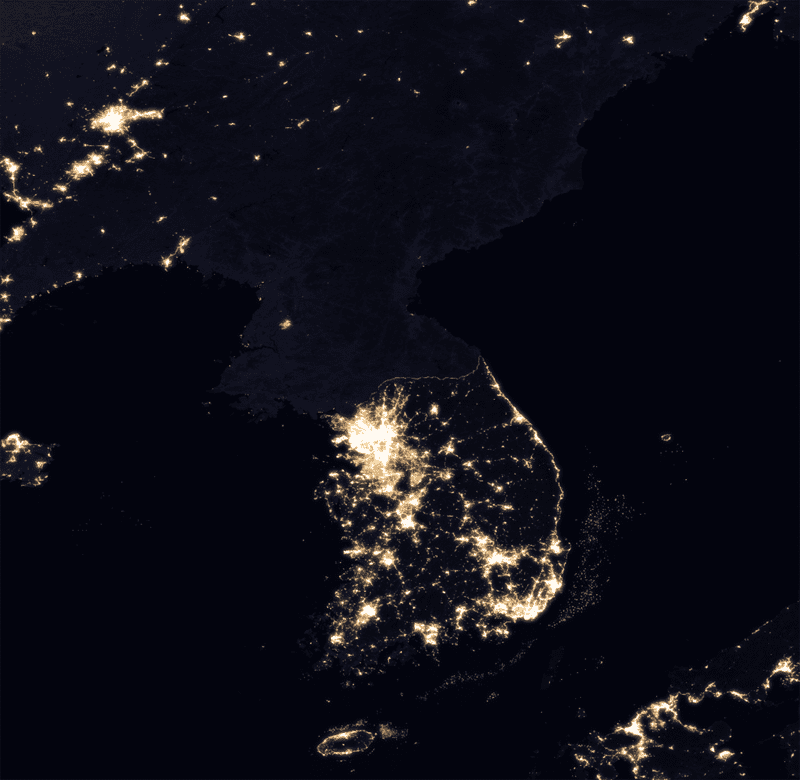
Table of Contents A History of the Korean Demilitarized Zone The Korean Demilitarized Zone is a strip of land running across the Korean Peninsula that
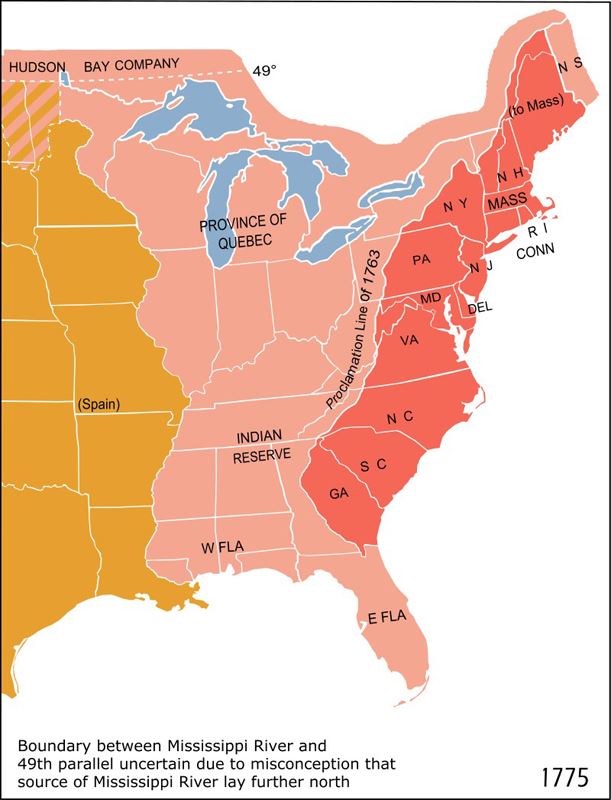
The governments of the Thirteen Colonies of British America developed in the 17th and 18th centuries under the influence of the British constitution. After the
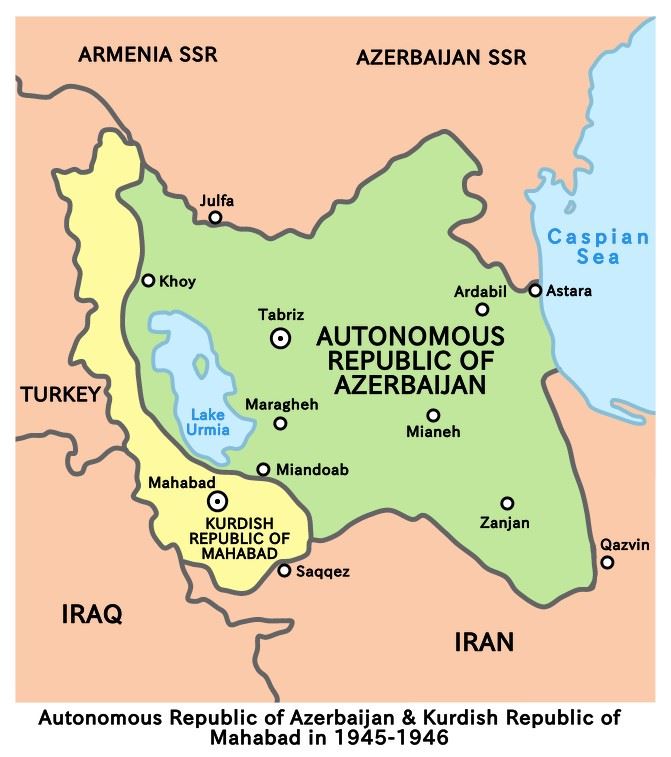
The Iran crisis of 1946, also known as the Azerbaijan Crisis (Persian: غائله آذربایجان, romanized: Qaʾilih Âzarbâyjân) in the Iranian sources, was one of the
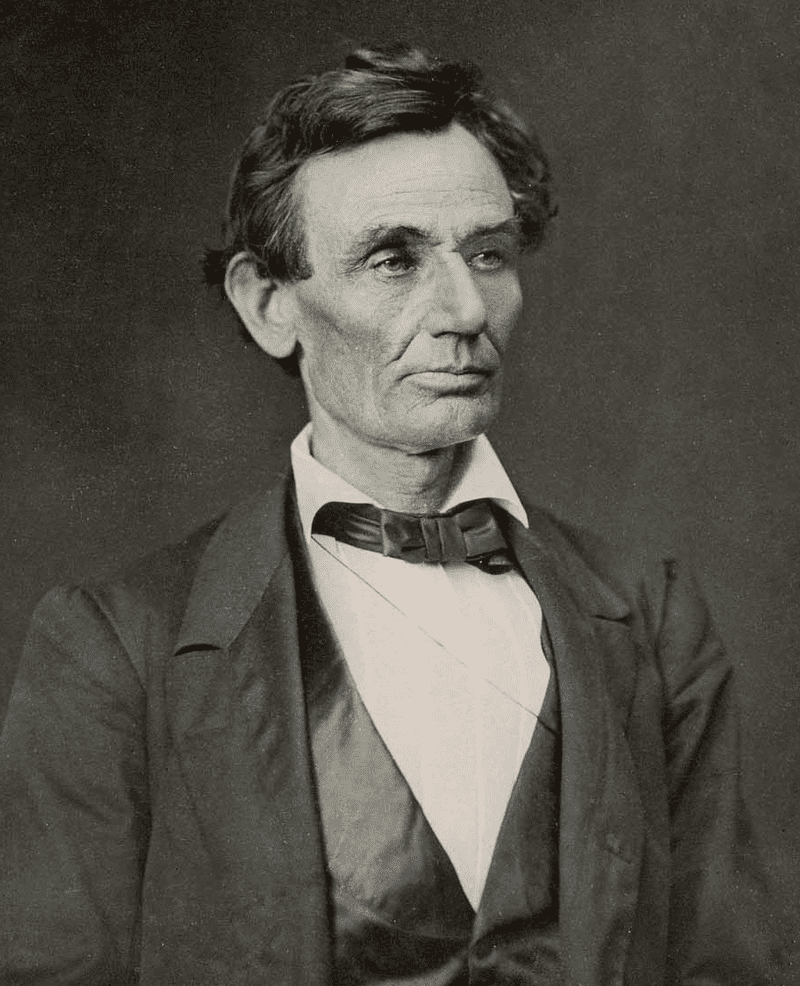
The election of Abraham Lincoln in November 1860 was the final trigger for secession.[109] Southern leaders feared that Lincoln would stop the expansion of slavery
Throughout history, humanity has been shaped by the crucible of warfare. Historical battles serve as milestones, representing the clash of empires, the rise and fall
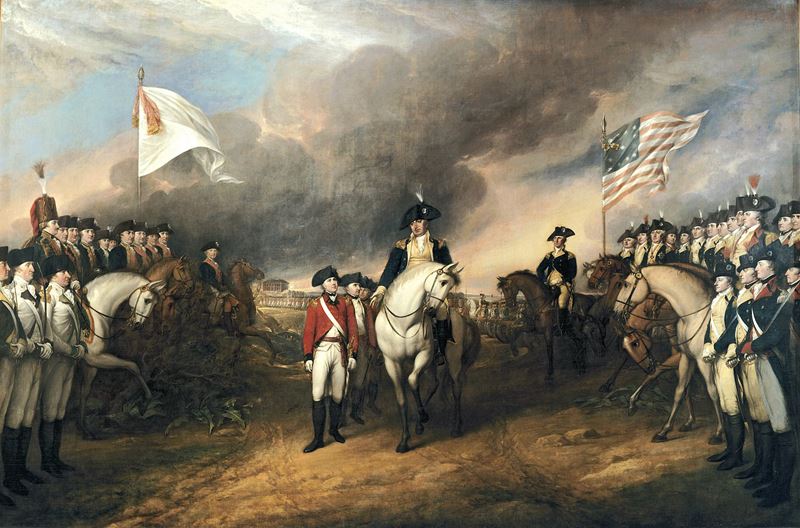
French involvement in the American Revolutionary War of 1775–1783 began in 1776[1] when the Kingdom of France secretly shipped supplies to the Continental Army of
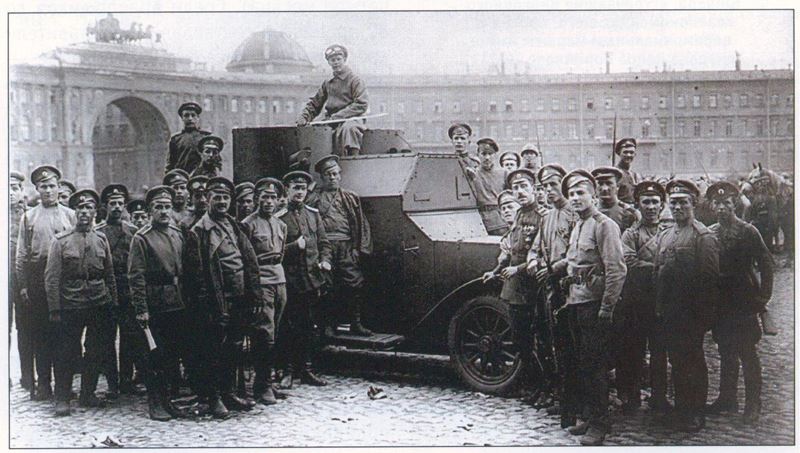
The Russian Revolution was a period of political and social revolution that took place in the former Russian Empire which began during the First World