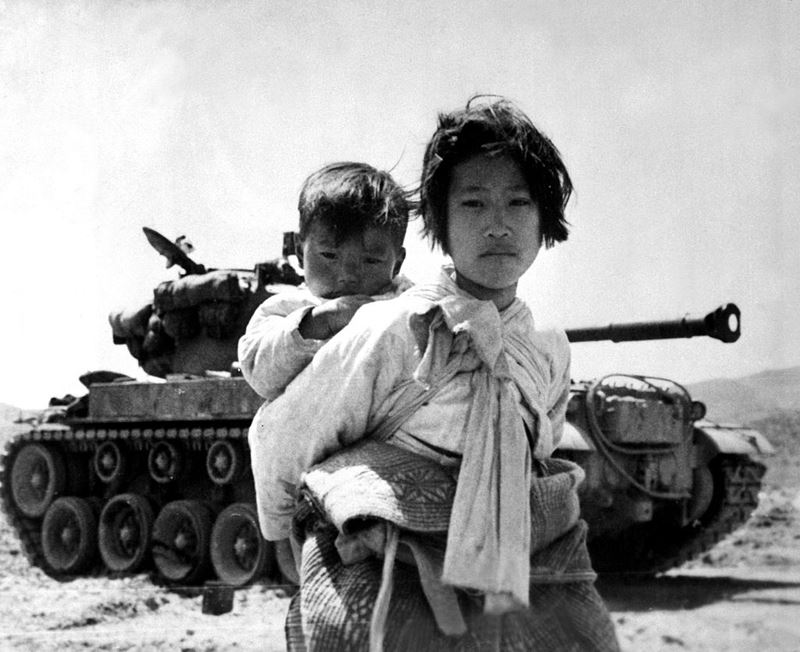
Korean War
Korean Armistice Agreement
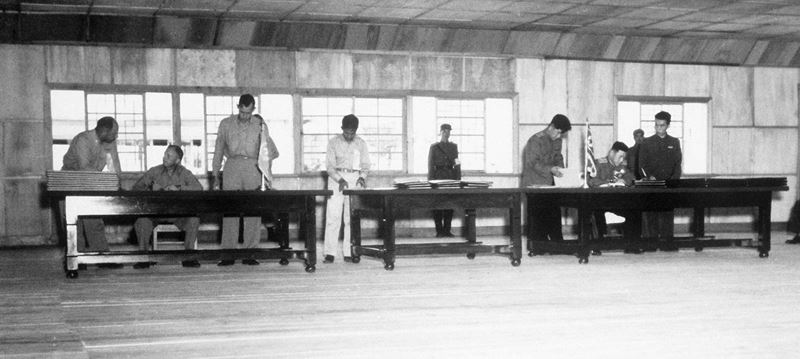
The Korean Armistice Agreement is an armistice that brought about a complete cessation of hostilities of the Korean War. It was signed by United States

The Korean Armistice Agreement is an armistice that brought about a complete cessation of hostilities of the Korean War. It was signed by United States
This is a timeline of the main events of the Cold War, a state of and military tension after World War II between powers in
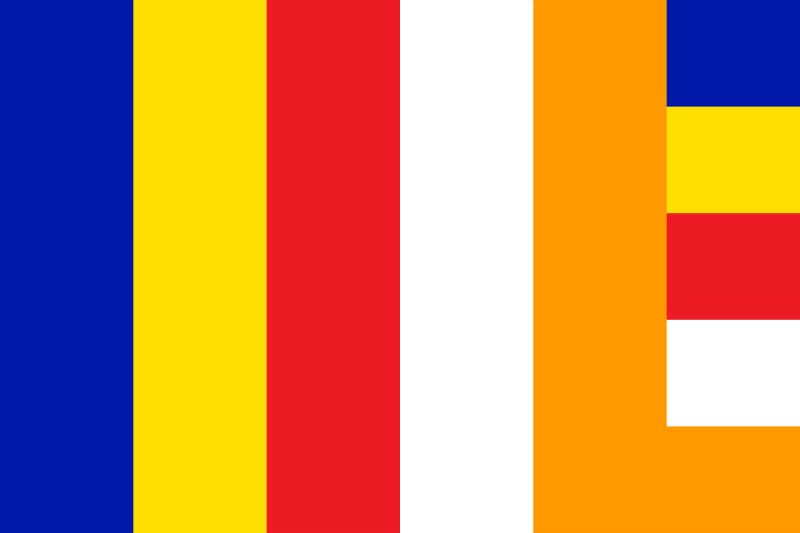
In South Vietnam, a country where the Buddhist majority was estimated to comprise between 70 and 90 percent of the population in 1963,[2][3][4][5][6] President Ngô
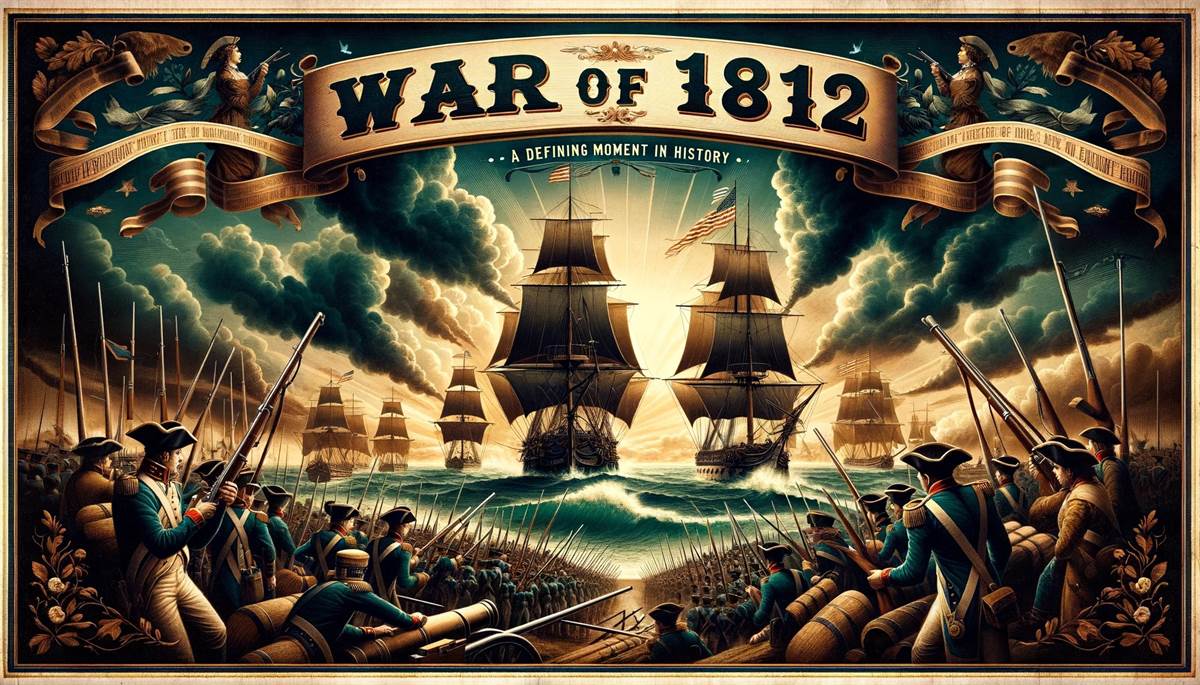
Table of Contents Introduction The War of 1812, often overshadowed by the Revolutionary War and the Civil War in American history, remains a significant conflict
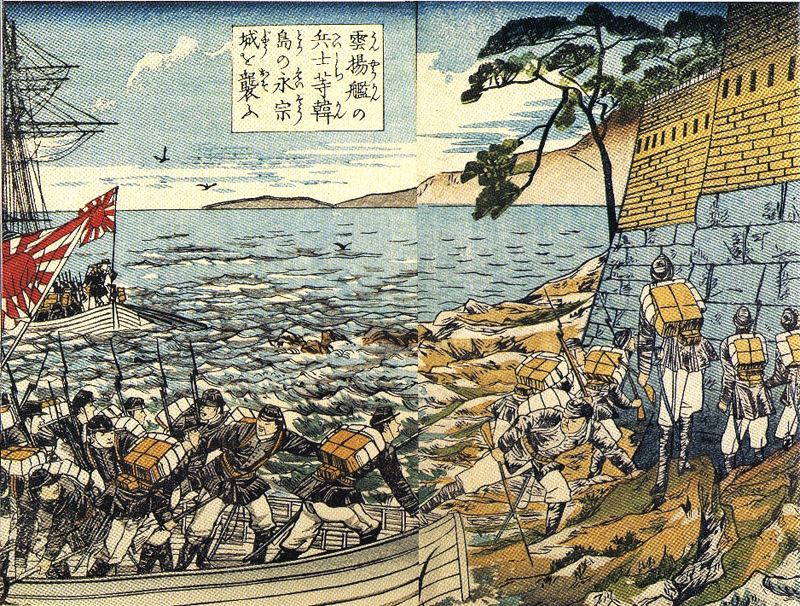
Imperial Japan severely diminished the influence of China over Korea in the First Sino-Japanese War (1894–95), ushering in the short-lived Korean Empire.[72] A decade later,
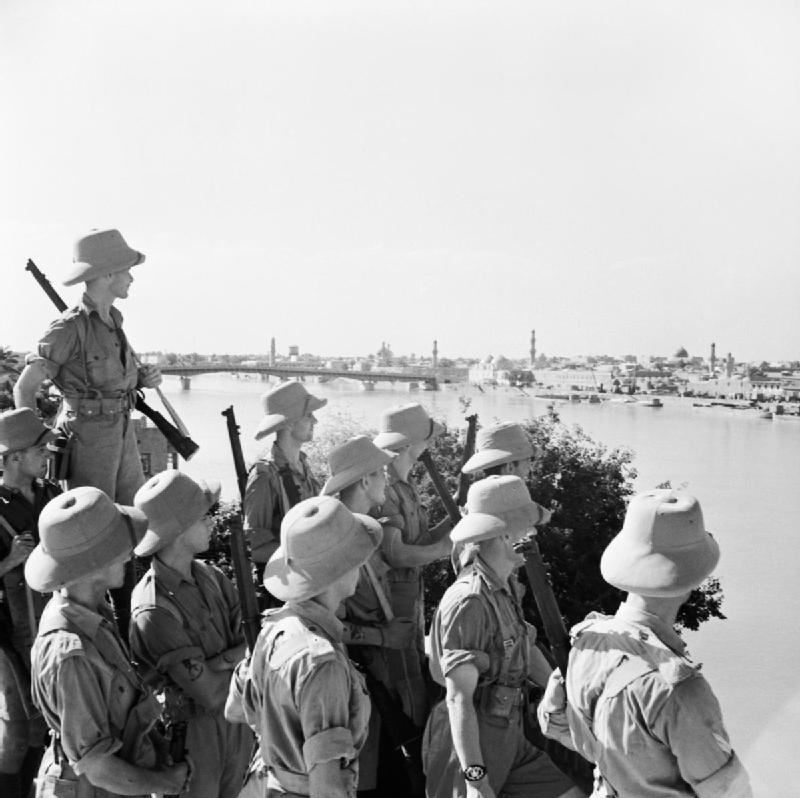
The Mediterranean and Middle East Theatre was a major theatre of operations during the Second World War. The vast size of the Mediterranean and Middle
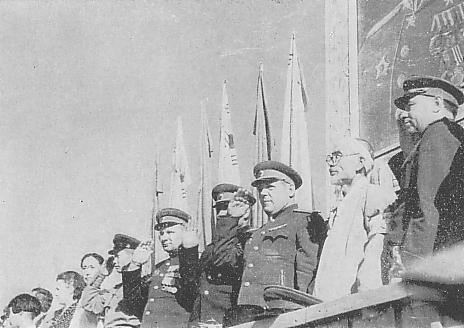
The division of Korea began with the defeat of Japan in World War II. During the war, the Allied leaders considered the question of Korea’s
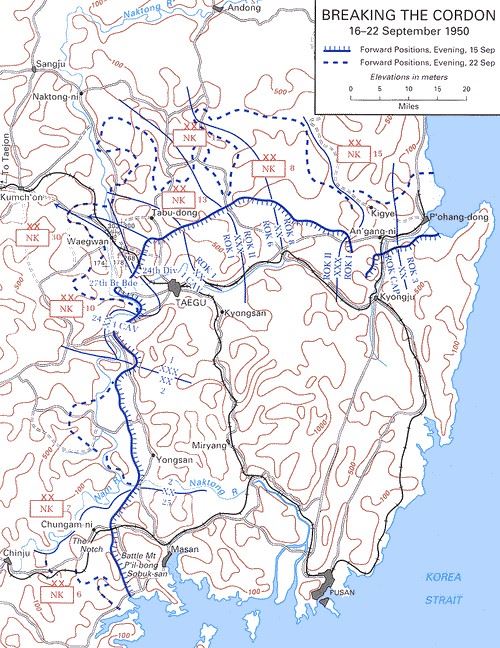
The Pusan Perimeter offensive was a large-scale offensive by United Nations Command (UN) forces against North Korean forces commencing on 16 September 1950. UN forces,