
Vietnam War
Buddhist Crisis
In South Vietnam, a country where the Buddhist majority was estimated to comprise between 70 and 90 percent of the population in 1963,[2][3][4][5][6] President Ngô

In South Vietnam, a country where the Buddhist majority was estimated to comprise between 70 and 90 percent of the population in 1963,[2][3][4][5][6] President Ngô
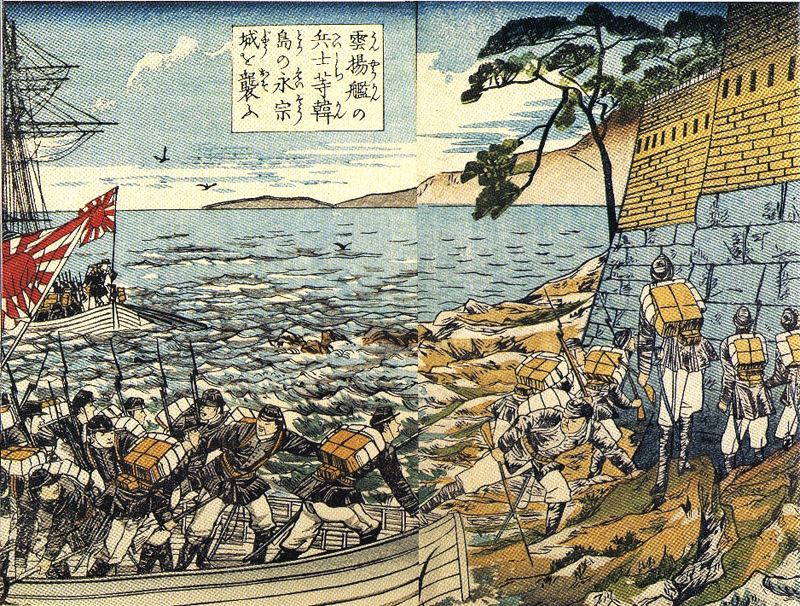
Imperial Japan severely diminished the influence of China over Korea in the First Sino-Japanese War (1894–95), ushering in the short-lived Korean Empire.[72] A decade later,
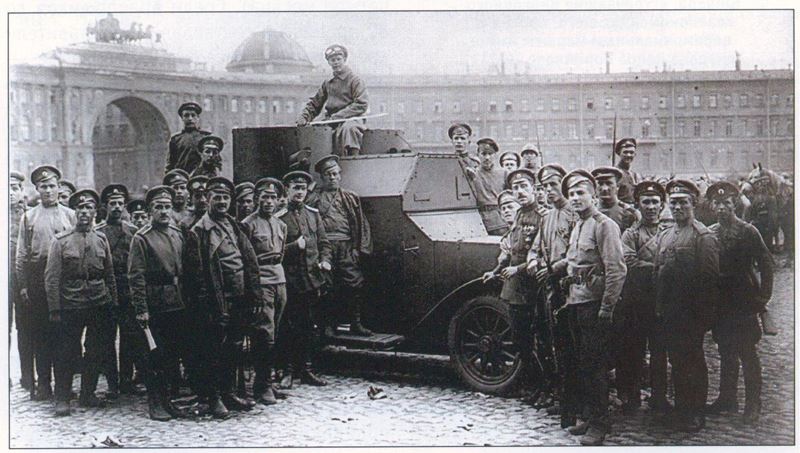
The Russian Revolution was a period of political and social revolution that took place in the former Russian Empire which began during the First World

French involvement in the American Revolutionary War of 1775–1783 began in 1776[1] when the Kingdom of France secretly shipped supplies to the Continental Army of
“No taxation without representation” is a political slogan that originated in the American Revolution, and which expressed one of the primary grievances of the American
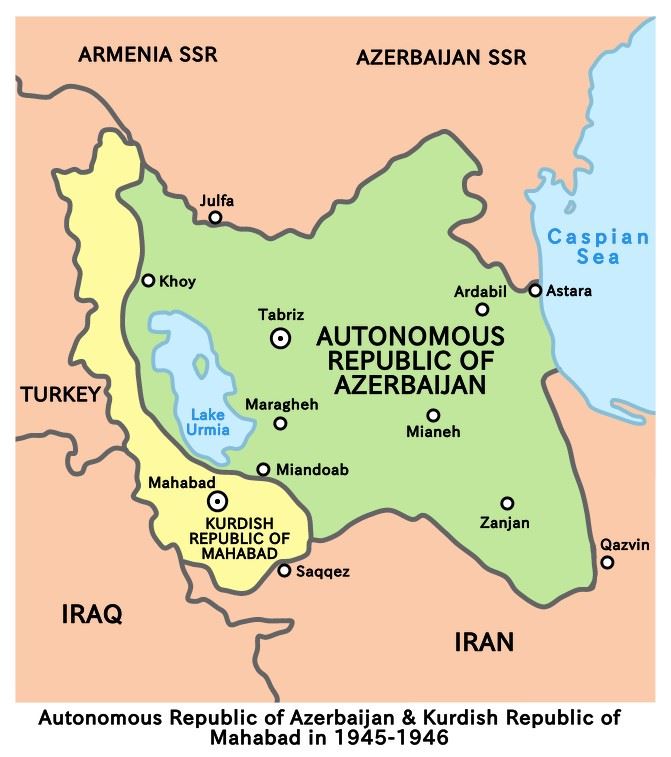
The Iran crisis of 1946, also known as the Azerbaijan Crisis (Persian: غائله آذربایجان, romanized: Qaʾilih Âzarbâyjân) in the Iranian sources, was one of the
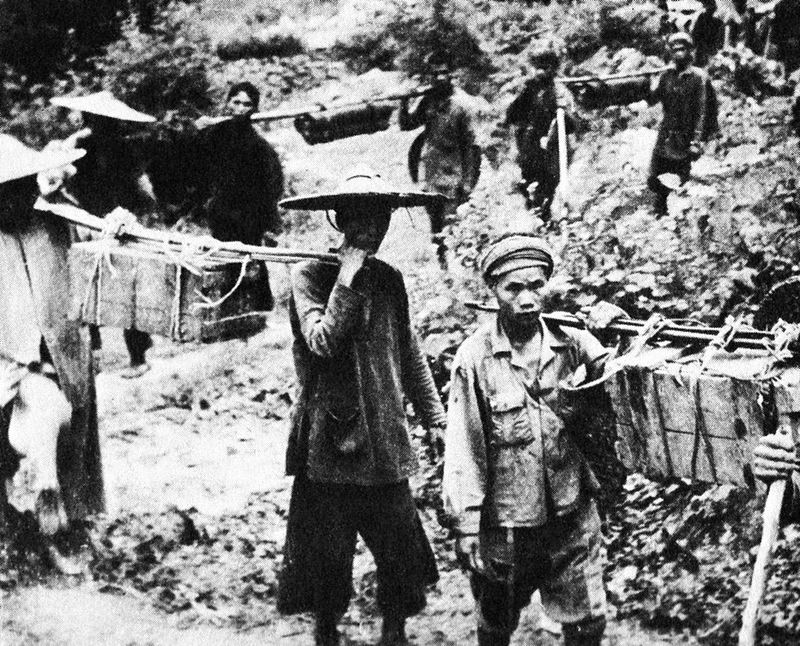
Fighting broke out all along the border with North Vietnam.[1] North Vietnamese Army regular units participated in attacks on July 28–31, 1959.[1] These operations established
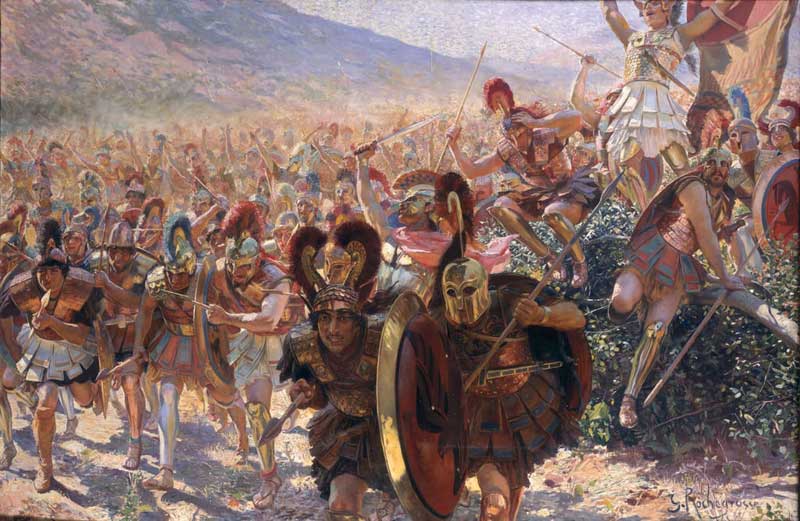
The Battle of Marathon, fought in 490 BCE between the Athenians and Persians, holds a significant place in history as a testament to strategic brilliance,