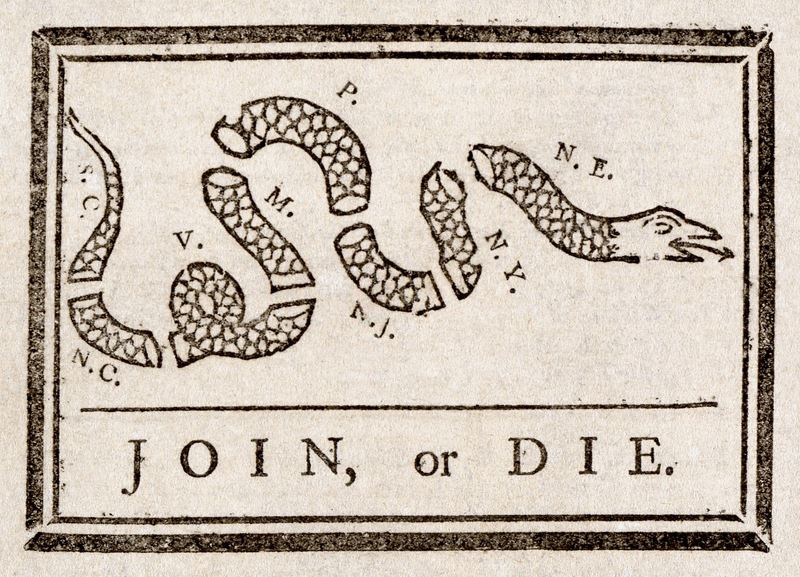
American Revolution
Creating United States Constitution
In the United States, each state has its own written constitution. They are much longer than the United States Constitution, which only contains 4,543 words.

In the United States, each state has its own written constitution. They are much longer than the United States Constitution, which only contains 4,543 words.
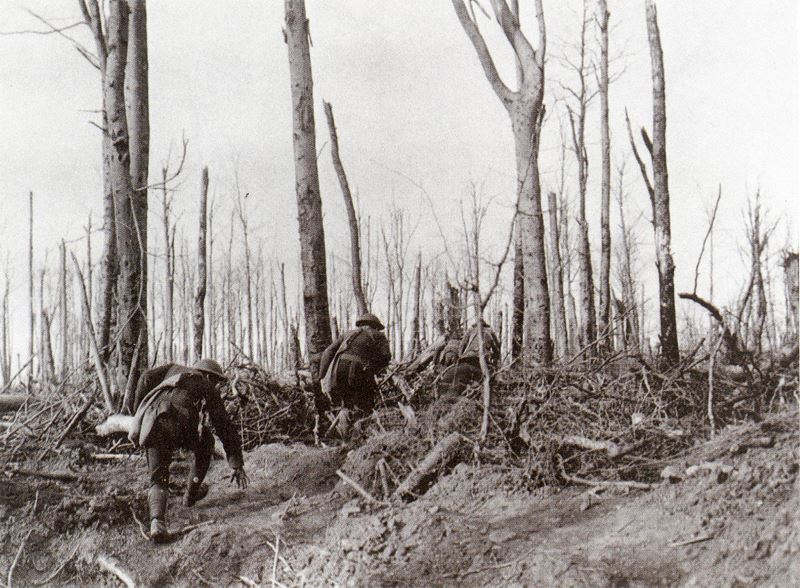
The Meuse–Argonne offensive (also known as the Meuse River–Argonne Forest offensive,[6] the Battles of the Meuse–Argonne, and the Meuse–Argonne campaign) was a major part of

The final battle between Diệm’s VNA and the Bình Xuyên began on April 28 at mid-day.[1] After initial small-arms fire and mortar exchanges, the VNA
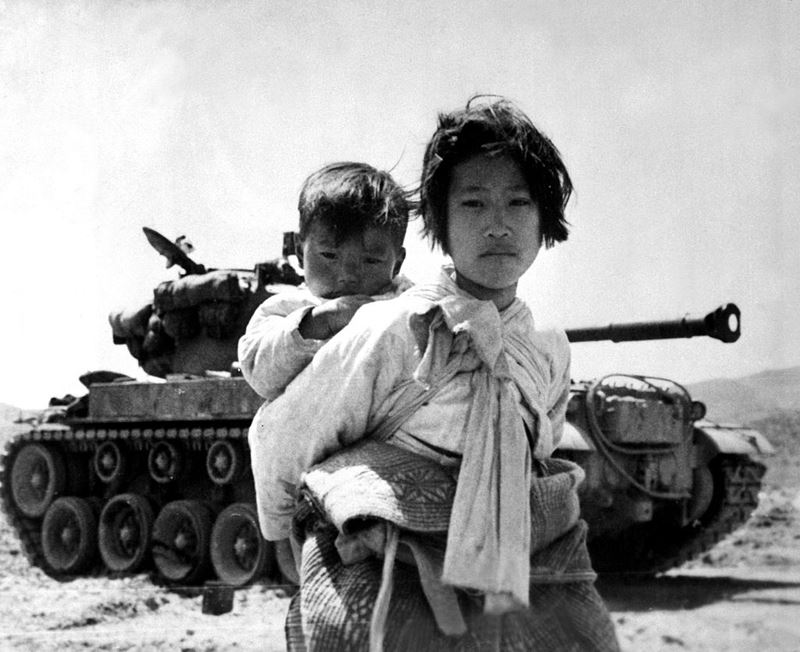
This is a timeline of the main events of the Cold War, a state of and military tension after World War II between powers in
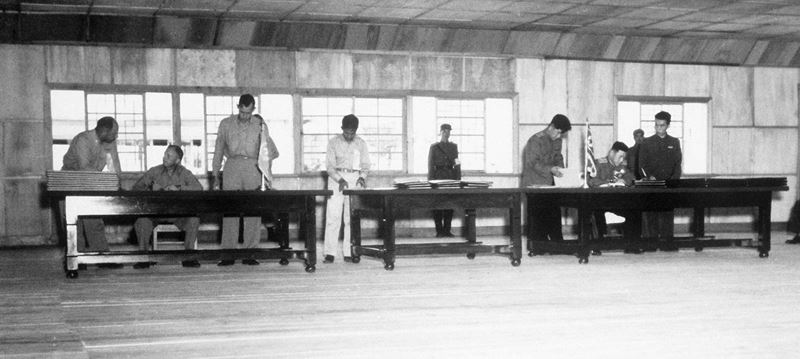
The Korean Armistice Agreement is an armistice that brought about a complete cessation of hostilities of the Korean War. It was signed by United States

The Marshall Plan (officially the European Recovery Program, ERP) was an American initiative enacted in 1948 to provide foreign aid to Western Europe. The United
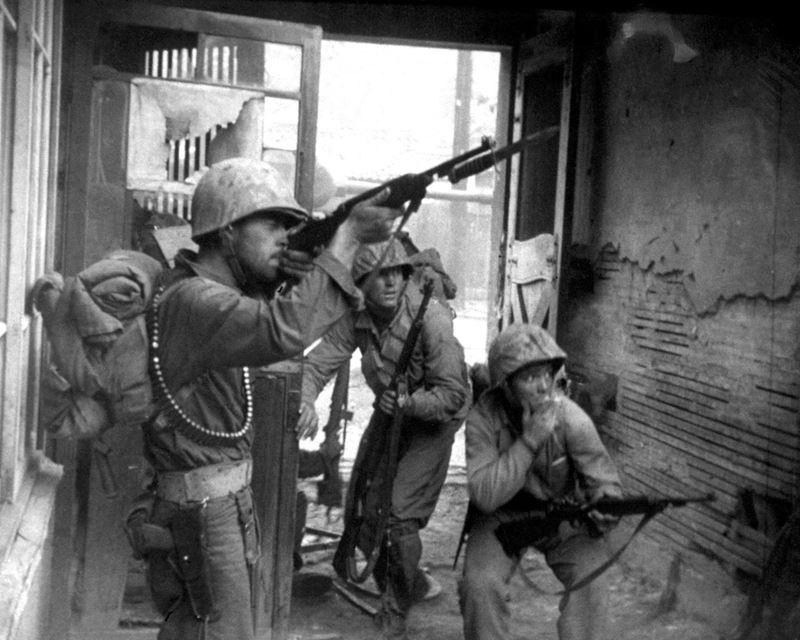
The X Corps entered Seoul the morning of September 25th. By mid-afternoon, elements of the 7th Infantry Division crossed the Han River and captured Namsan
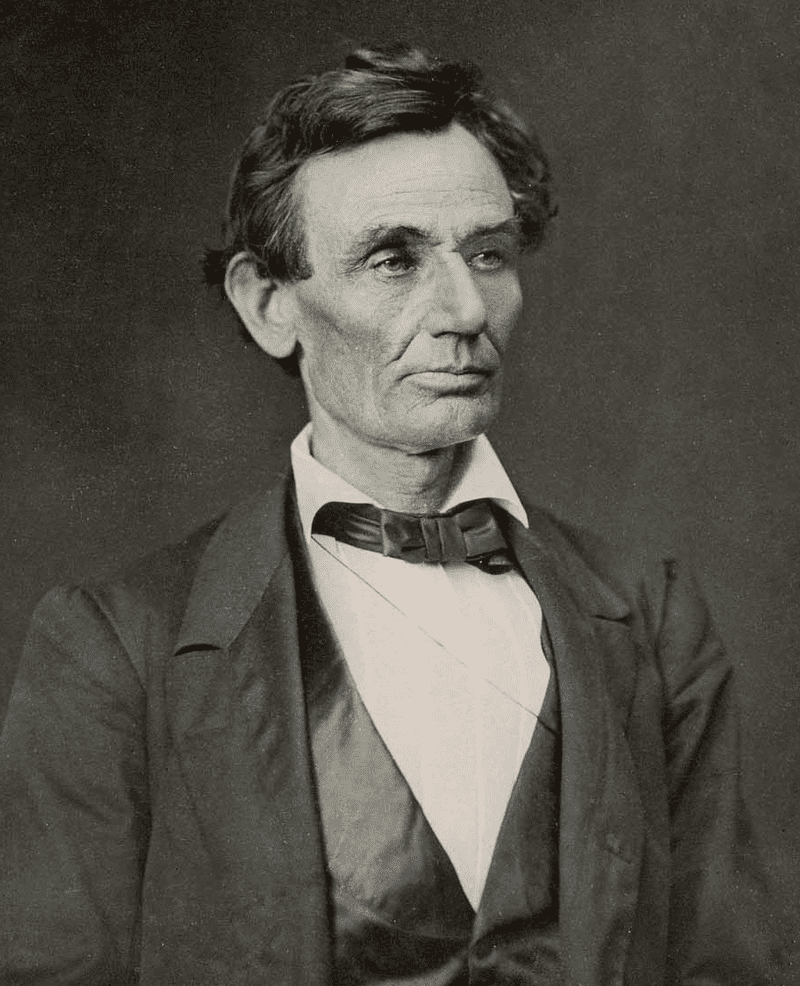
The election of Abraham Lincoln in November 1860 was the final trigger for secession.[109] Southern leaders feared that Lincoln would stop the expansion of slavery