Other Wars
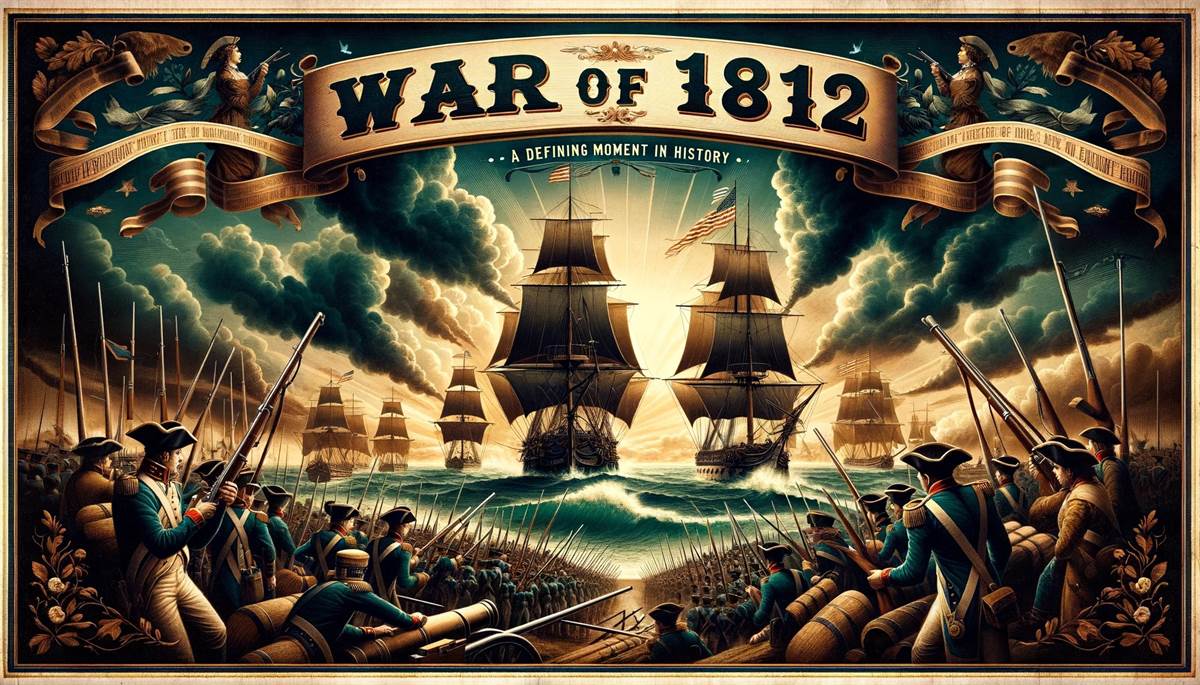
Understanding the War of 1812
Table of Contents Introduction The War of 1812, often overshadowed by the Revolutionary War and the Civil War in American history, remains a significant conflict

Table of Contents Introduction The War of 1812, often overshadowed by the Revolutionary War and the Civil War in American history, remains a significant conflict
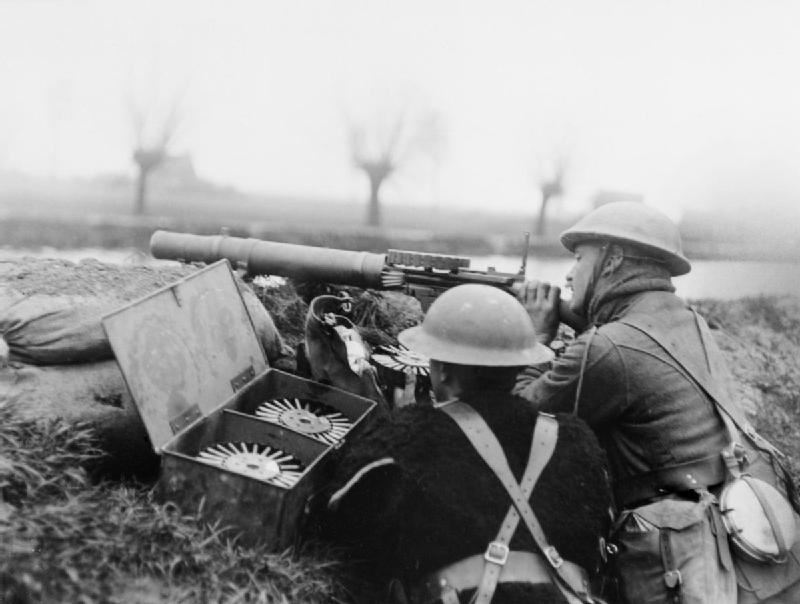
The German spring offensive, or Kaiserschlacht (“Kaiser’s Battle”), also known as the Ludendorff offensive, was a series of German attacks along the Western Front during
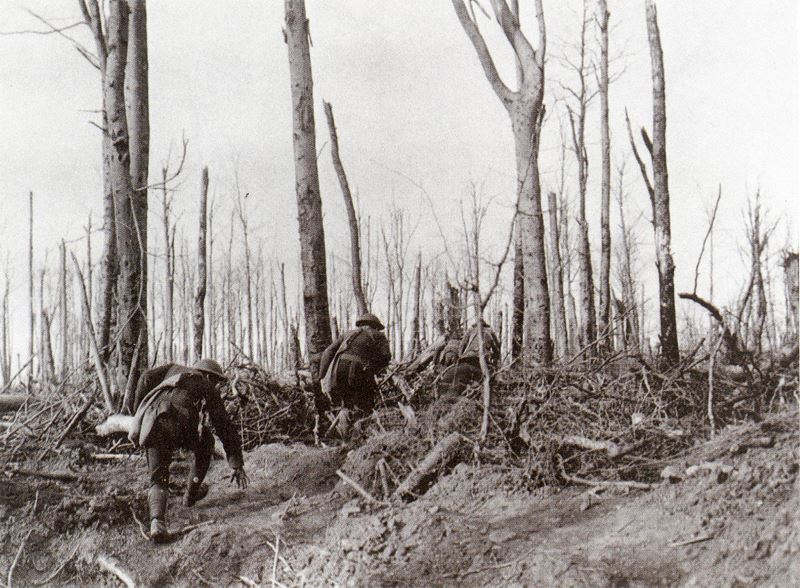
The Meuse–Argonne offensive (also known as the Meuse River–Argonne Forest offensive,[6] the Battles of the Meuse–Argonne, and the Meuse–Argonne campaign) was a major part of
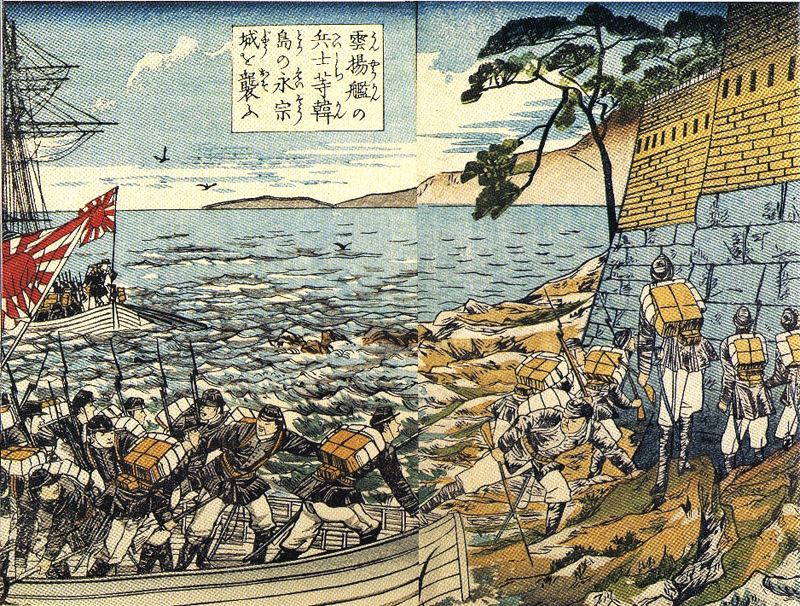
Imperial Japan severely diminished the influence of China over Korea in the First Sino-Japanese War (1894–95), ushering in the short-lived Korean Empire.[72] A decade later,
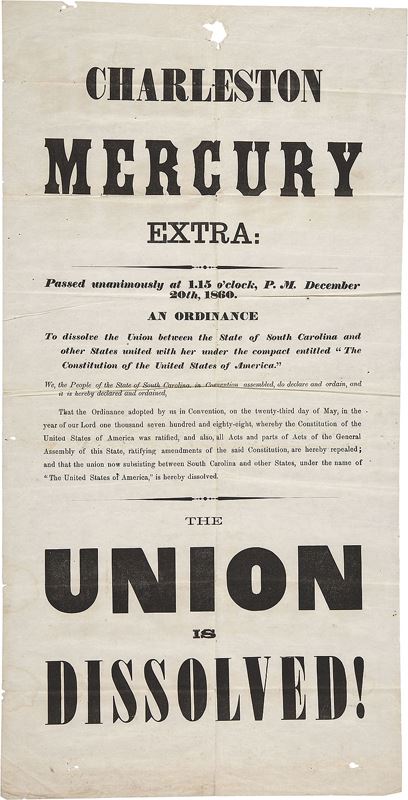
The election of Lincoln provoked the legislature of South Carolina to call a state convention to consider secession. Before the war, South Carolina did more
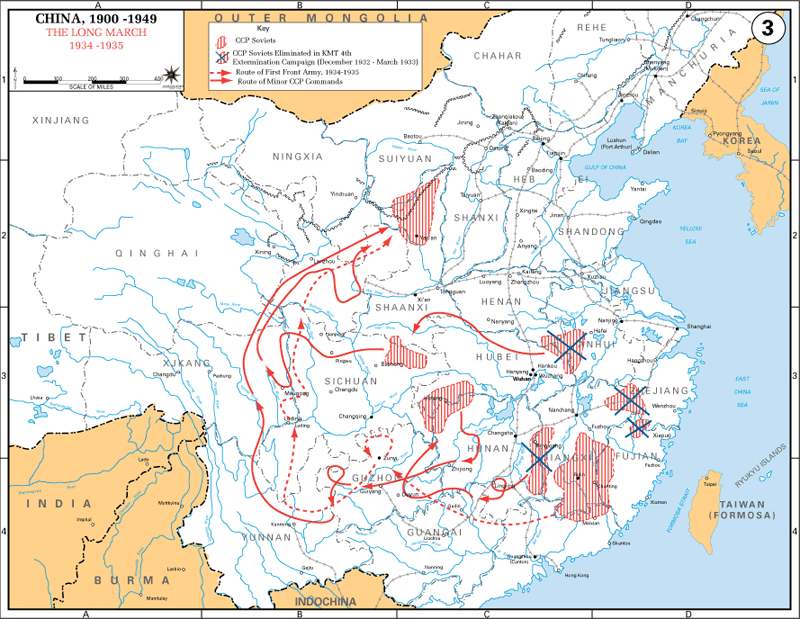
The Chinese Civil War was fought between the Kuomintang-led government of the Republic of China and forces of the Chinese Communist Party, continuing intermittently since
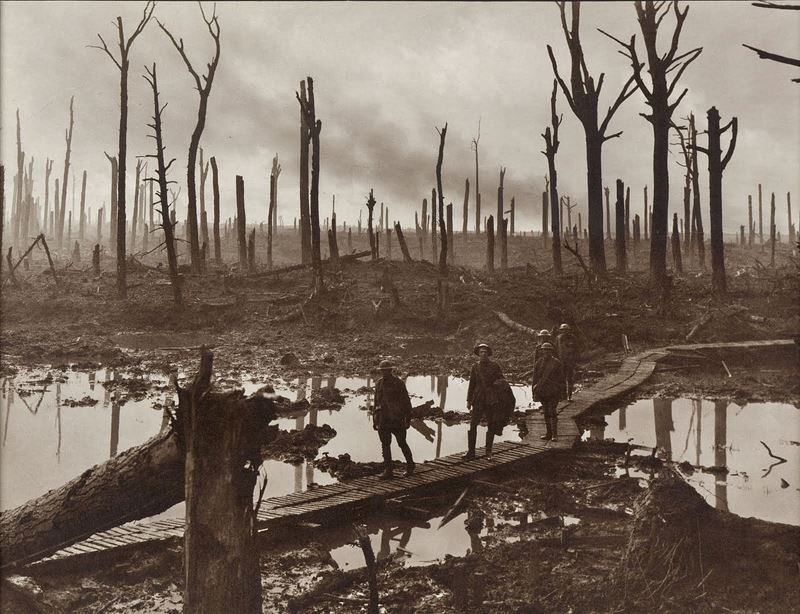
The Third Battle of Ypres (German: Dritte Flandernschlacht; French: Troisième Bataille des Flandres; Dutch: Derde Slag om Ieper), also known as the Battle of Passchendaele
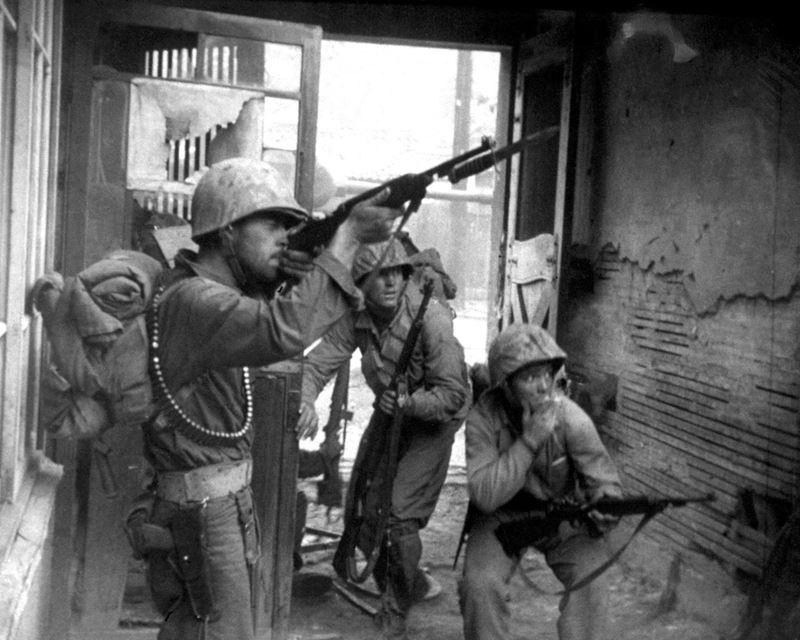
The X Corps entered Seoul the morning of September 25th. By mid-afternoon, elements of the 7th Infantry Division crossed the Han River and captured Namsan